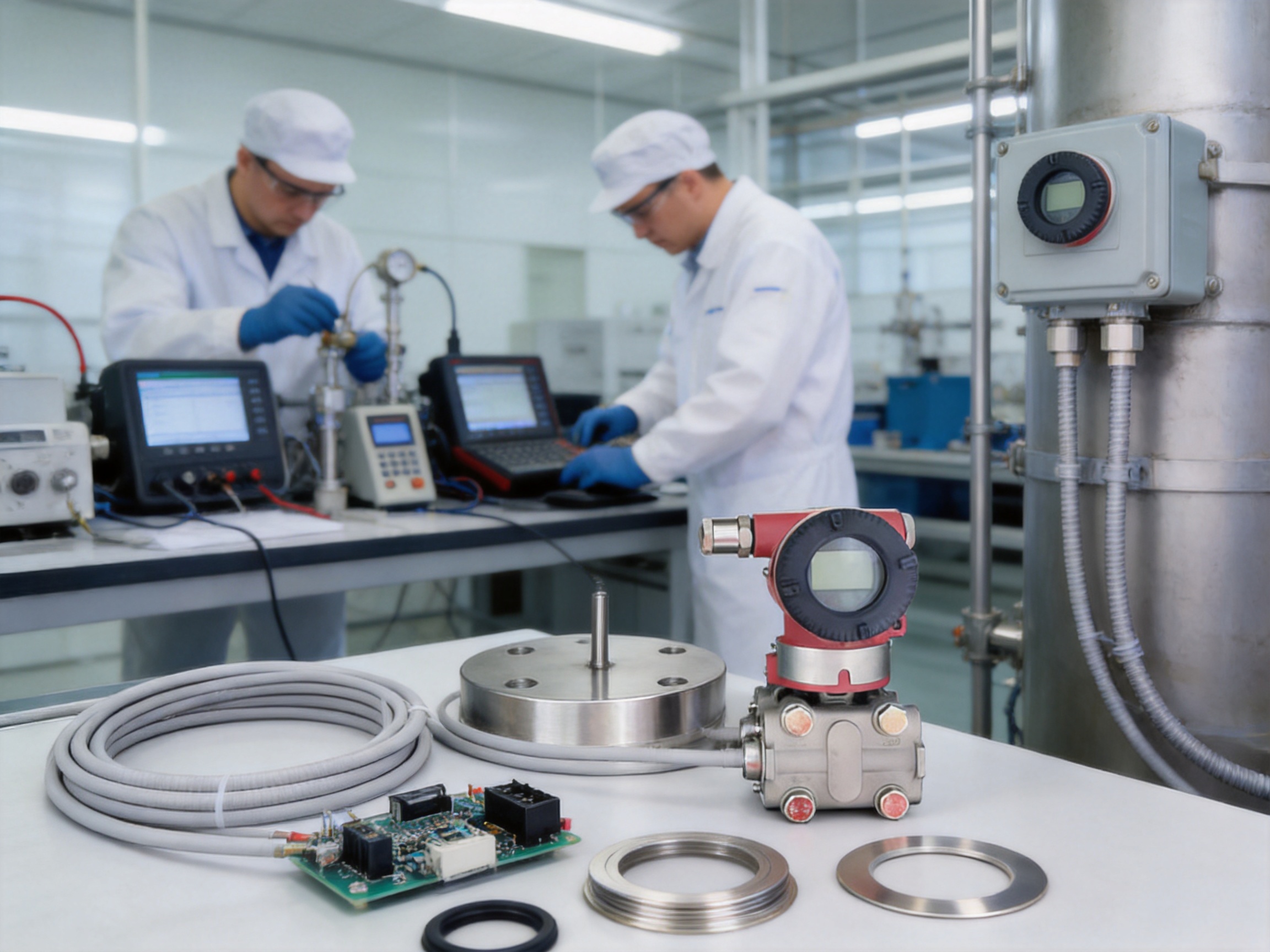
Modern process industries require measurement instruments that can remain accurate and dependable even when the measured medium is hot, corrosive, viscous, crystallizing, or difficult to isolate from sensitive electronic components. In applications such as sealed tanks, reaction vessels, boilers, storage systems, pulp-processing equipment, and chemical wastewater containers, a conventional pressure transmitter may be exposed directly to conditions that shorten service life, obstruct impulse lines, or compromise measurement stability. The XG3051DP differential pressure remote transmitter addresses these challenges through a dual-flange capillary remote transmission structure designed to separate the measuring medium from the sensor body.
This configuration allows the transmitter to measure differential pressure while also supporting liquid-level, flow-rate, and density measurement. By using remote diaphragm seals and capillaries, the instrument can be installed where the process medium is unsuitable for direct connection to an ordinary transmitter. The arrangement is particularly valuable for high-viscosity fluids, media that crystallize or solidify, high-temperature processes, strongly corrosive substances, and applications where blockage or corrosion of the measuring diaphragm must be prevented.
The instrument combines a two-wire 4–20 mA output with HART communication, field configuration capability, adjustable damping, range migration, and high long-term stability. An optional LCD display and explosion-proof protection further improve its suitability for demanding industrial environments. Its measurement diaphragm can be manufactured from materials including 316L stainless steel, Hastelloy, and tantalum, enabling the configuration to be matched to the chemical and thermal conditions of the application.
Produced by Xinguo Group Co., Ltd., the XG3051DP reflects the company’s experience in industrial instrumentation, pressure measurement, alloy materials, temperature instruments, cables, and related manufacturing fields. The company operates through several specialized subsidiaries and maintains production, research, inspection, and quality-management capabilities intended to support industrial customers in China and international markets.
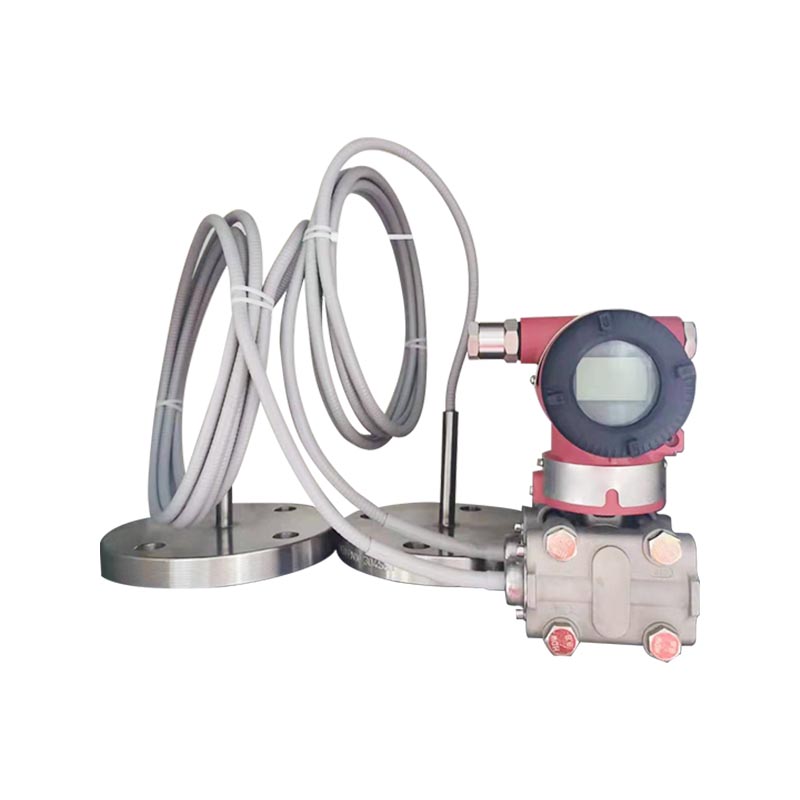
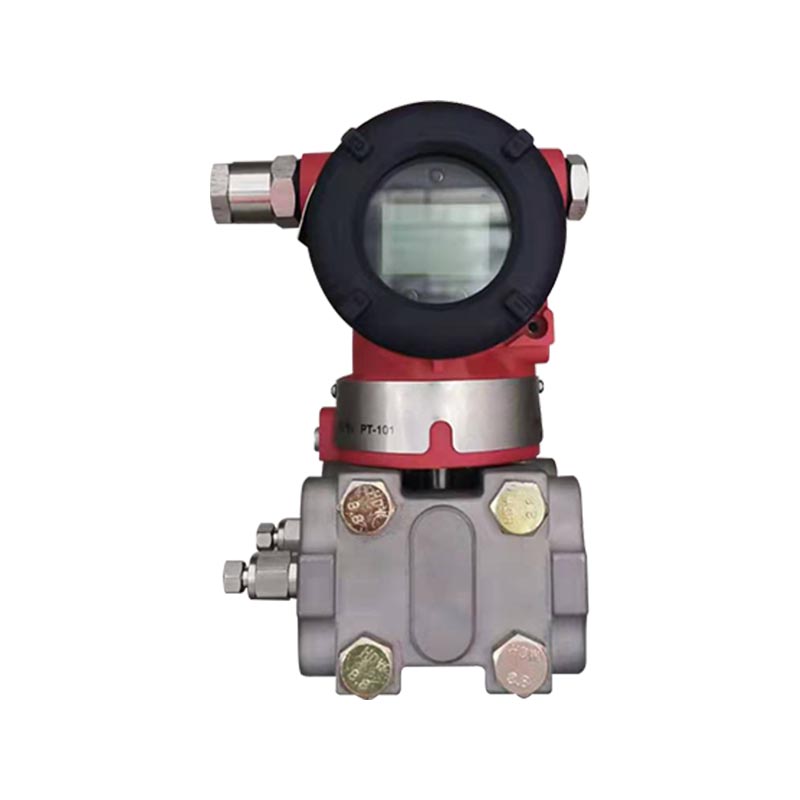
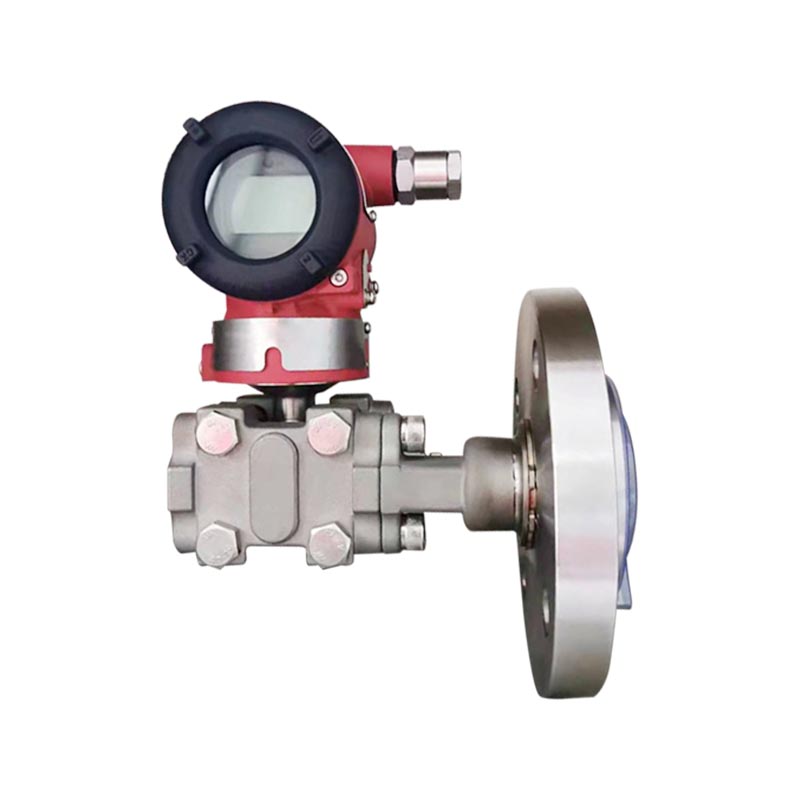
XG3051DP Differential pressure remote transmitter
Differential pressure measurement is one of the most widely used methods for monitoring industrial processes. The difference between two pressure points can indicate the liquid level in a vessel, the flow through a throttling device, the pressure drop across equipment, or the density of a process medium. Although the measurement principle is straightforward, the installation environment can be highly demanding.
A process vessel may contain a medium that is too hot for direct contact with the transmitter. A chemical solution may attack ordinary wetted materials. A pulp suspension may clog narrow impulse lines. A polymer, crystallizing solution, or high-viscosity material may solidify inside a connection. A fermentation tank or reaction vessel may require strict separation between the process contents and the instrument body. In each case, the instrument must preserve measurement accuracy while preventing the process from damaging the sensing system.
Traditional impulse piping can create several sources of error and maintenance. Long impulse lines may accumulate sediment or gas, freeze in cold conditions, or become blocked by solids. Unequal heating of the two impulse lines can produce density differences and false differential pressure. Corrosive process fluids may attack the piping or the pressure-sensing components. When a process must be shut down to clean or replace blocked impulse lines, the cost can be considerably higher than the original instrument price.
The remote-transmitter concept reduces these risks by locating diaphragm seals at the process connections and transferring pressure to the transmitter through capillary-filled lines. The process medium remains on the process side of the remote diaphragms, while the transmitter body and primary sensing components are separated from direct exposure. This creates a practical barrier between the process and the instrument while preserving the pressure difference required for measurement.
The XG3051DP is an intelligent remote differential pressure transmitter with a dual-flange capillary remote transmission structure. It is designed to measure the differential pressure between two points and convert that measurement into a standardized electrical signal for monitoring, control, recording, or automation.
In addition to direct differential pressure measurement, the transmitter can be used for several calculated or process-related applications:
Liquid-level measurement in closed tanks and vessels.
Flow measurement when connected to an appropriate primary flow element, such as a throttling device.
Density measurement where the process arrangement and calculation method use differential pressure as the measuring variable.
Pressure-drop monitoring across equipment, filters, process sections, and control components.
The two-wire 4–20 mA output provides a standard analog signal widely accepted by industrial control systems. HART protocol communication adds digital access to configuration and diagnostic parameters without requiring a separate communication cable. Operators can use a compatible HART controller or local header buttons, depending on the selected configuration, to adjust settings at the installation site.
Important configuration functions include range migration and adjustable damping. Range migration enables the configured measurement range to be adapted to the process requirements within the allowable operating limits. Adjustable damping helps reduce the effect of pulsation, turbulence, or rapidly changing process conditions when a smoother output signal is preferred.
The transmitter may also be equipped with an LCD display for local observation of the measured value and instrument information. For hazardous-area applications, an explosion-proof protection option can be selected according to project requirements and applicable installation practices.
| Feature | Function | Application Benefit |
|---|---|---|
| Dual-flange remote structure | Transfers pressure from two process connections through remote diaphragms and capillaries | Separates the transmitter body from difficult or corrosive media |
| 4–20 mA output | Provides a standard two-wire analog signal | Easy connection to PLC, DCS, recording, and alarm systems |
| HART communication | Supports digital configuration and access to instrument parameters | Improves commissioning, adjustment, and maintenance efficiency |
| Adjustable damping | Controls the response of the output signal | Helps stabilize readings in pulsating or turbulent processes |
| Range migration | Allows practical adjustment of the configured measurement range | Supports flexible adaptation to actual process conditions |
| Material options | Includes 316L, Hastelloy, tantalum, and other suitable diaphragm materials | Improves compatibility with corrosive or aggressive media |
| Optional LCD | Displays measured values and operating information locally | Reduces dependence on a remote control-room display during inspection |
| Optional explosion-proof protection | Supports use in selected hazardous industrial areas | Improves suitability for petrochemical and other potentially explosive environments |
The XG3051DP uses two remote flange assemblies, each connected to the transmitter through a capillary. Each flange includes a flexible diaphragm that contacts or faces the process medium. Pressure exerted on the diaphragm is transmitted through a sealed fill fluid inside the capillary to the sensing system in the transmitter.
When the pressure at the high-pressure flange differs from the pressure at the low-pressure flange, the sensing element detects the resulting differential pressure. The transmitter then converts the measured value into a proportional 4–20 mA signal. Through HART communication, additional digital information and configuration access can be provided to a host system or handheld communicator.
The remote diaphragms are essential to the design. They reduce the need for the process medium to enter narrow impulse passages and allow the transmitter body to be mounted at a safer or more convenient location. The flange arrangement also provides a practical way to connect to vessels with dedicated process nozzles, especially where direct installation on the transmitter body would be difficult.
For liquid-level measurement in a closed tank, the high-pressure connection is commonly associated with the lower part of the vessel, while the low-pressure connection is associated with the upper vapor space. The transmitter measures the pressure difference created by the liquid column and the vapor-space pressure. Because both sides of the vessel pressure are considered, the system can measure level in a pressurized or sealed vessel more effectively than an open-tank arrangement based only on hydrostatic pressure.
For flow measurement, the two remote connections can be installed across a primary flow element. The pressure drop generated by the element is related to the flow rate according to the process design and applicable calculation method. The transmitter provides the differential-pressure signal to a flow computer, PLC, DCS, or other control system.
For density measurement, the system may be installed across a known liquid column or another arrangement in which differential pressure changes with density. Correct installation height, capillary routing, temperature behavior, and process compensation are important to achieve dependable results.
High-temperature processes can damage electronic components, alter fill-fluid behavior, accelerate seal aging, and reduce the service life of a directly connected transmitter. The remote structure allows the process-side flange and diaphragm to be placed at the hot process connection while the transmitter body can be positioned away from the most severe thermal conditions.
This design does not eliminate the need for proper temperature evaluation. The process temperature, ambient temperature, capillary length, mounting position, and selected fill fluid must all be considered. However, it gives the system designer more flexibility than a transmitter that must be installed directly at the process connection.
High-viscosity fluids can respond slowly in narrow impulse lines and may produce unstable or delayed readings. They may also collect in dead legs or small passages. The remote diaphragm creates a larger and more direct process interface, reducing dependence on long, narrow impulse piping.
This benefit is valuable in food processing, pulp and paper production, polymer manufacturing, chemical processing, and other applications involving thick liquids, slurries, pastes, or concentrated solutions. The flange and diaphragm arrangement should still be selected to match the process, cleaning method, hygiene requirements, and mechanical conditions.
Some process materials crystallize when they cool, lose solvent, or experience changes in concentration. Others solidify during shutdown or accumulate around a pressure port. Once a connection is blocked, the transmitter may continue to display a value that does not represent the actual process condition.
By isolating the sensing body from the medium and minimizing vulnerable impulse passages, a remote differential pressure transmitter can reduce the risk associated with crystallizing or solidifying substances. Heat tracing, insulation, flushing arrangements, and suitable mounting practices may be added where required by the process design.
Material selection is a major advantage of the XG3051DP configuration. The measuring diaphragm can be produced from materials such as 316L stainless steel, Hastelloy, or tantalum. These options allow engineers to consider the chemical composition, concentration, temperature, pressure, and contamination conditions of the measured medium rather than relying on one universal wetted material.
316L is widely used for general industrial service and many water-based or moderately aggressive applications. Hastelloy is often considered for more demanding chemical environments. Tantalum can be selected for specific highly corrosive services where its chemical resistance is appropriate. The final selection must always be confirmed against the actual process chemistry and project material requirements.
Closed tanks create a measurement challenge because vapor pressure above the liquid affects the pressure at the upper connection. A differential pressure transmitter compensates for this effect by measuring both the lower liquid pressure and the upper vessel pressure. The remote flange arrangement is especially useful when the tank contains hot, viscous, corrosive, or hygienically sensitive materials.
This makes the instrument suitable for storage tanks, reaction vessels, fermentation tanks, boiler systems, chemical containers, and process towers. The measurement range must be selected with attention to liquid density, level span, vessel pressure, capillary elevation, and the required accuracy.
The 4–20 mA signal is a well-established industrial standard. It can be received by PLC analog input modules, DCS systems, industrial recorders, alarm units, and supervisory instruments. A two-wire loop reduces wiring requirements and can simplify integration into existing plant infrastructure.
HART communication adds digital data to the analog signal. This can support configuration, range adjustment, damping changes, identification, and maintenance activities without removing the transmitter from the loop. The availability of both conventional analog output and digital communication helps the XG3051DP fit into facilities with different levels of automation maturity.
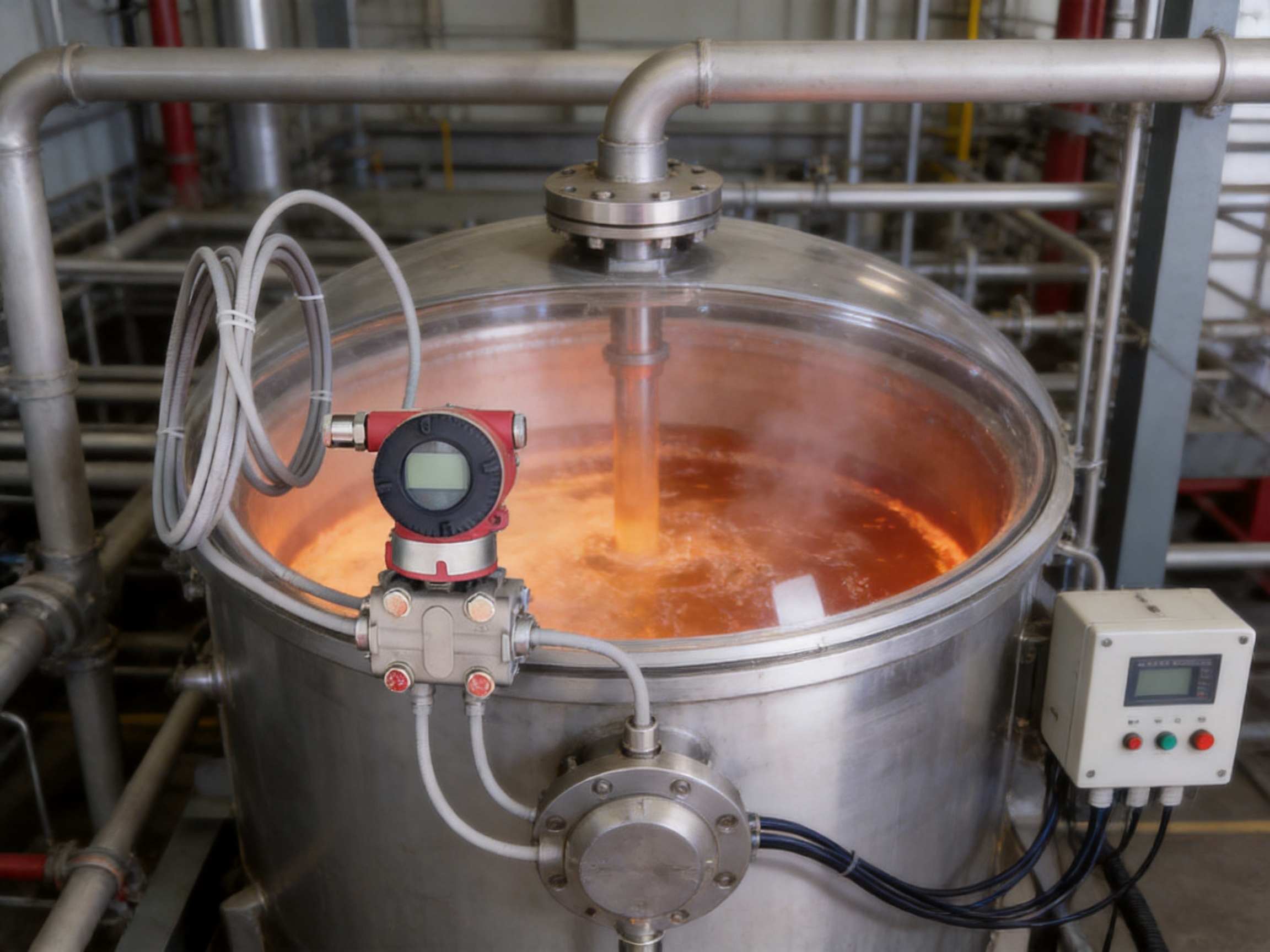
Field conditions often differ from the original design assumptions. A plant may change the process medium, operating range, control strategy, or alarm limits. For this reason, the ability to configure the transmitter in the field is important.
The XG3051DP supports HART protocol communication and can also support local configuration through header buttons, depending on the selected version. These methods give technicians access to operating parameters without necessarily disconnecting the instrument or opening the process system.
Range migration allows the configured zero and span to be adapted to the application within the transmitter’s permitted range. This is useful when the actual operating point occupies only part of the nominal sensor capacity or when a project requires a particular signal relationship between process values and control-system inputs.
Adjustable damping helps balance responsiveness and stability. A short damping time allows the transmitter to follow rapid changes, which may be important for control or surge monitoring. A longer damping time can reduce apparent fluctuation in applications affected by turbulence, pump pulsation, valve movement, or mechanical vibration. The correct setting depends on whether fast response or smooth indication is the primary requirement.
Local display capability provides a convenient way to inspect the measured value during commissioning, routine rounds, and troubleshooting. It can reduce the need to access a control-room screen for simple verification. When an explosion-proof option is selected for a suitable application, the instrument can be considered for areas where hazardous gases or vapors may be present, subject to the complete project certification and installation requirements.
Petrochemical plants use differential pressure measurement for reactor vessels, storage tanks, separators, distillation equipment, filters, and flow-control systems. Many process fluids are hot, volatile, corrosive, or prone to deposit formation. A remote transmitter can keep the sensing body away from direct process exposure and provide a practical level-measurement solution for sealed vessels.
In a reaction kettle, the transmitter may monitor liquid level while the contents are heated, agitated, or chemically reactive. In a storage tank, the instrument can help track inventory and support overfill protection. Across a flow restriction, it can provide a differential-pressure input for flow monitoring. The optional explosion-proof configuration is relevant to project designs that require equipment suitable for potentially hazardous areas.
Coal chemical facilities often handle slurries, concentrated chemical solutions, process water, and materials that can deposit or solidify. Tanks and towers may operate under pressure and at elevated temperatures. Conventional impulse lines can be vulnerable to plugging, particularly when solids are present.
The remote diaphragm structure is suitable for monitoring the differential pressure associated with liquid level in process tanks and towers. Material selection is important because coal chemical streams may contain aggressive compounds. Engineers should evaluate diaphragm compatibility, capillary routing, heat preservation, and maintenance access before final installation.
Power plants use differential pressure measurement in boilers, thermal systems, feedwater equipment, condensate systems, deaerators, and process tanks. Temperature, pressure, vibration, and changing operating conditions place high demands on instrumentation.
A remote transmitter can be used for liquid-level measurement in closed vessels and for monitoring pressure differences in thermal systems. In high-temperature services, installation should maintain suitable separation between the hot process connection and the transmitter body. Proper impulse-side orientation, capillary support, and temperature management are essential for stable operation.
Metallurgical plants contain furnaces, smelting vessels, dust-handling equipment, process tanks, and sealed containers. These environments may include high temperatures, corrosive chemicals, suspended solids, and severe mechanical conditions.
The XG3051DP can be considered for level measurement in sealed process vessels and for differential-pressure monitoring across equipment. Its remote arrangement helps protect the instrument from direct exposure, while the available diaphragm materials provide a basis for selecting a suitable wetted interface. Installation should account for vibration, thermal expansion, protective shielding, and accessibility for inspection.
Pharmaceutical processes often require controlled conditions, reliable batch monitoring, and careful separation between the process material and the instrument. Reaction tanks and fermentation vessels may contain viscous, temperature-sensitive, or biologically active materials.
A remote diaphragm can support level measurement in closed reaction tanks and fermentation vessels while reducing the need for open impulse connections. For hygienic processes, the flange design, surface finish, cleaning method, gasket arrangement, and material compatibility must be specified according to the applicable plant standards. The transmitter’s digital configuration functions can also simplify batch-related setup changes and verification.
Food and beverage plants frequently handle viscous liquids, syrups, sauces, fermentation products, and other materials that can adhere to process connections. Tanks may be sealed, heated, pressurized, or cleaned through automated wash cycles.
Remote differential pressure measurement can help monitor the level of viscous materials in sealed tanks without relying on long, narrow impulse lines that may retain product. The process connection should be selected to support the required cleaning and sanitation approach. Temperature cycling, cleaning chemicals, and pressure conditions must be considered in the diaphragm and sealing design.
Water treatment facilities use level and pressure measurement in chemical dosing tanks, sludge systems, wastewater containers, clarifiers, and closed process vessels. Some chemical wastewater streams are corrosive, while sludge and concentrated solids can obstruct conventional pressure connections.
The XG3051DP can provide differential-pressure level measurement for closed containers and chemical wastewater tanks. Selecting an appropriate diaphragm material is important where acids, alkalis, salts, or other aggressive substances are present. The remote construction can help reduce the direct exposure of the transmitter body and simplify the separation of process fluids from electronic components.
Pulp and paper processes involve fiber suspensions, slurries, coating materials, and viscous liquids. These media can clog small connections or generate unstable measurements when conventional impulse lines are used.
The remote flange design is well suited to level measurement in pulp tanks and other vessels containing viscous or suspended materials. Correct flange placement and diaphragm selection help maintain a stable pressure interface. Maintenance planning should include inspection of the process connection, capillary protection, and any buildup that may form on the remote diaphragm.
Instrument performance depends not only on the design concept but also on the quality of materials, processing, assembly, testing, and documentation. Xinguo Group Co., Ltd. is a national high-tech enterprise founded in 1997 in Tianchang City, Anhui Province, China. The group includes Anhui Xinguo Instrument Co., Ltd., Shenyang Oudi Instrument Manufacturing Co., Ltd., Anhui Xinguo Alloy Co., Ltd., Anhui Xinguo Cable Co., Ltd., and Anhui Xinguo Precious Metal Co., Ltd.
This organizational structure gives the company a broad industrial foundation. Its product fields include temperature instruments, pressure instruments, flow meters, level instruments, instrument materials, alloy wire, pressure transmitters, and pressure gauges. Experience across instruments and materials is particularly relevant to remote pressure transmitters, where reliable operation depends on the interaction of diaphragms, alloys, seals, process connections, electronic components, and protective housings.
The company has a registered capital of RMB 118 million, a land area of more than 150 mu, and a construction area of approximately 60,000 square meters. Its workforce includes nearly 300 employees, with more than 50 professional technicians, technical experts, senior engineers, engineers, and assistant engineers. These resources support product development, process improvement, production management, testing, and technical service.
The manufacturing environment is supported by advanced equipment and modern production techniques. For a product such as the XG3051DP, a controlled manufacturing process is important at every stage. Material receiving and identification help ensure that diaphragm materials and structural components correspond to the specified grade. Machining and forming processes must maintain the dimensional accuracy of flange interfaces and pressure-bearing components. Welding, sealing, and assembly must be controlled to prevent leakage or contamination of the internal transmission system.
Capillary manufacturing and filling are also important. The capillary must provide a dependable pressure-transfer path between the remote diaphragm and the transmitter body. The internal fill system must be handled carefully to limit gas inclusion and maintain the intended measurement behavior. Protection of the capillary during assembly, packaging, transport, and installation is equally important because mechanical damage or sharp bending can affect performance.
Electronic assembly requires attention to component quality, wiring, insulation, signal conditioning, and environmental protection. The transmitter must convert the sensor response into a stable 4–20 mA signal while supporting HART communication. Configuration functions such as damping and range migration require reliable software and parameter-management practices. Where a local LCD or explosion-proof enclosure is selected, those assemblies must be integrated without compromising sealing, access, or safety requirements.
Xinguo Group reports strict inspection procedures at every stage of manufacturing. These procedures are intended to support repeatable product quality and help identify problems before delivery. Inspection may include dimensional checks, visual examination, electrical testing, pressure-related verification, output-signal checks, communication checks, and final documentation review according to the product specification and project requirements.
The company has obtained ISO9001 Quality Management System, ISO14001 Environmental Management System, and GB/T28001 Occupational Health and Safety Management System certifications. These systems provide a framework for controlled production, environmental responsibility, workplace safety, process documentation, corrective action, and continual improvement.
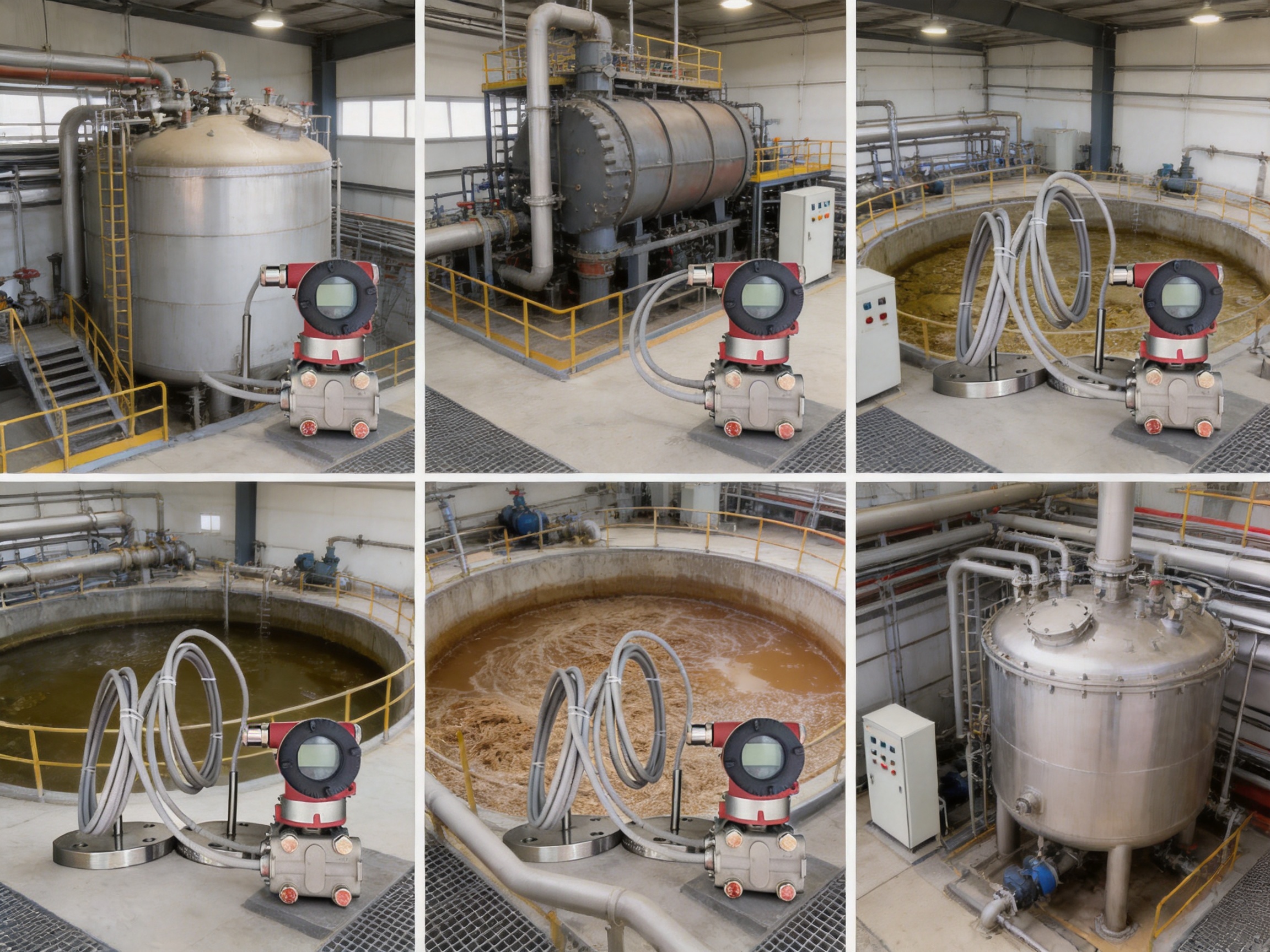
The correct material is determined by the medium, temperature, concentration, pressure, cleaning method, and expected service life. A material that performs well in one application may not be suitable in another. For this reason, the available diaphragm material options are an important part of the transmitter’s engineering flexibility.
316L stainless steel is widely used in industrial instrumentation because of its useful corrosion resistance, mechanical strength, availability, and compatibility with many water-based and general process applications. It is often considered for water treatment, food processing, moderate chemical service, and general industrial duties.
Its suitability must be verified for the actual chloride level, acidity, temperature, cleaning chemicals, and other process factors. Low-carbon construction can be beneficial in applications where welding and corrosion resistance at welded areas are relevant.
Hastelloy materials are selected for applications requiring enhanced resistance to specific aggressive chemical environments. They may be appropriate in chemical, petrochemical, coal chemical, and wastewater processes where ordinary stainless steel does not provide the desired level of resistance.
Because different Hastelloy grades have different performance characteristics, the exact grade should be confirmed against the process chemistry. Material selection should also consider erosion, temperature, concentration changes, and possible contamination from the process.
Tantalum is known for strong resistance to many highly corrosive chemicals under suitable conditions. It can be considered for specialized applications where chemical compatibility is more demanding than the capabilities of standard stainless steel or selected nickel alloys.
Its use should be based on a detailed compatibility review, including temperature, impurities, mechanical conditions, and the possibility of abrasion. The final specification should identify the required material clearly so that procurement, manufacturing, and inspection records remain consistent.
A remote differential pressure transmitter should be installed according to the process arrangement, the manufacturer’s technical documentation, and the plant’s safety procedures. The instrument should be mounted where it can be inspected, configured, and protected from unnecessary vibration, impact, flooding, and excessive ambient temperature.
The two remote flanges must be connected to the correct high-pressure and low-pressure points. Reversing the connections will reverse the output relationship and may cause incorrect level or flow interpretation. Before commissioning, technicians should confirm the process connection labels, transmitter identification, signal-loop polarity, grounding practice, and control-system scaling.
Capillaries should be routed with adequate support and protection. Sharp bends, crushing, uncontrolled vibration, and contact with hot surfaces should be avoided. The two capillaries should be installed in a manner that minimizes unequal thermal exposure where the application requires high stability. If the capillaries are exposed to sunlight, cold air, steam, or other temperature gradients, the installation design should address the resulting effects.
For closed-tank level measurement, the elevation relationship between the two remote flanges and the transmitter should be reviewed carefully. The liquid density, vapor pressure, operating temperature, tank pressure, and expected minimum and maximum levels must be included in the range calculation. Incorrect elevation assumptions can create a zero shift or cause the signal to fall outside the intended range.
Before applying process pressure, the loop should be checked for electrical continuity and correct signal behavior. HART communication can be used to confirm the instrument identity, configured range, damping, engineering units, and other available parameters. A controlled commissioning procedure should compare the transmitter output with a known reference or an independent process indication when practical.
Remote transmitters can reduce some maintenance problems, but they still require planned inspection. Operators should examine the remote flanges, process connections, capillaries, mounting brackets, and transmitter housing for signs of leakage, corrosion, mechanical damage, or abnormal temperature exposure.
The remote diaphragm should not be struck, scraped, or cleaned with tools that could deform its surface. Deposits may change the effective pressure transfer and should be removed using a method compatible with the diaphragm material and the process. In food, pharmaceutical, and chemical applications, cleaning procedures should follow plant requirements and avoid damaging seals or protective surfaces.
Signal stability can be checked through the control system, a loop calibrator, or a HART communication device. If the output fluctuates, technicians should consider process pulsation, capillary temperature differences, electrical interference, grounding, loose connections, and actual process instability before adjusting the transmitter.
When a transmitter is removed from service, the process must be isolated and depressurized according to the site’s safety procedure. The remote flange should be protected from impact and contamination during storage or transport. Maintaining records of calibration, configuration, material specification, and service history helps support reliable operation over the instrument’s life.
Industrial projects often require more than a basic product datasheet. Procurement and engineering teams may request material certificates, inspection records, calibration information, configuration documentation, dimensional drawings, wiring details, and evidence of management-system compliance.
Xinguo Group’s product portfolio and manufacturing organization support the preparation of industrial instrumentation for a wide range of applications. Its products are described as complying with IEC international standards as well as national and industrial specifications. The specific standard, certification, enclosure protection, hazardous-area approval, and documentation package should be confirmed for each project and product configuration.
Technical support is especially important when the transmitter is used for remote level measurement. A successful application depends on the relationship between the instrument range, flange size, diaphragm material, capillary length, fill fluid, process temperature, vessel geometry, and control-system scaling. Early technical review can prevent errors that are difficult to correct after installation.
As a manufacturer of both instrumentation and alloy-related products, Xinguo Group can provide a broader technical perspective than a supplier focused on only one component category. This can be useful when a project requires coordinated selection of pressure instruments, temperature instruments, thermocouples, alloy wire, cables, flow meters, level instruments, or instrument materials.
The main reason to select the XG3051DP is its ability to combine remote process isolation with intelligent differential pressure measurement. The product is not limited to clean, moderate-temperature fluids. Its design addresses a wider range of process challenges, including viscosity, crystallization, solidification, corrosion, high temperature, and closed-vessel pressure conditions.
The instrument also offers practical compatibility with modern and existing automation systems. The 4–20 mA output can connect to established control architecture, while HART communication provides additional configuration and maintenance functions. Optional local display and explosion-proof protection can be selected when the installation environment requires them.
Material flexibility is another important advantage. The possibility of using 316L, Hastelloy, tantalum, or other suitable diaphragm materials gives engineers more options when designing for aggressive media. The final choice should be based on a detailed process review rather than on material name alone.
Manufacturing capability completes the product value proposition. Research and development resources, specialized subsidiaries, modern equipment, controlled production, inspection procedures, and certified management systems provide a foundation for consistent supply. Customers can also draw on the company’s experience in multiple industrial instrument categories when developing a complete measurement solution.
The XG3051DP measures differential pressure between two process points. With a suitable installation and calculation method, the same differential-pressure signal can be used for liquid-level, flow-rate, density, or pressure-drop measurement.
A remote transmitter is useful when the process medium is hot, corrosive, viscous, crystallizing, solidifying, or likely to block ordinary impulse connections. The remote diaphragms and capillaries separate the transmitter body from direct process exposure.
Yes. The dual-flange arrangement can measure the pressure difference between the lower liquid connection and the upper vapor-space connection. This makes it suitable for level measurement in closed tanks, reaction vessels, storage tanks, fermentation vessels, and similar equipment.
Yes. The two-wire 4–20 mA output is intended for connection to common industrial control and monitoring systems, including PLC and DCS installations. HART communication can provide additional digital configuration and maintenance access when supported by the host system or a handheld communicator.
Adjustable damping controls how quickly the output responds to changes in measured differential pressure. A shorter setting supports faster response, while a longer setting can reduce fluctuations caused by pulsation, turbulence, or process vibration.
Range migration is the ability to adjust the configured measurement range within the transmitter’s permitted operating limits. It allows the signal relationship to be adapted to the actual process requirements without replacing the complete instrument.
The choice depends on the process medium, concentration, temperature, pressure, contaminants, erosion risk, and cleaning chemicals. 316L may suit many general applications, while Hastelloy or tantalum may be considered for more aggressive chemical services. Compatibility should be confirmed by the project engineer and material supplier.
An optional LCD display is available for local viewing of measured values and instrument information. It can be useful during commissioning, inspection, and maintenance.
An explosion-proof protection option is available for suitable applications. The exact approval, installation method, cable entry, grounding, and operating restrictions must be confirmed for the project’s hazardous-area classification and applicable regulations.
Potential applications include petrochemical processing, coal chemical production, power generation, metallurgy, pharmaceuticals, food and beverage processing, water and wastewater treatment, and pulp and paper manufacturing.
Capillaries should be protected from impact, crushing, sharp bends, excessive vibration, and unsuitable temperature exposure. Their routing should also minimize unequal heating between the high- and low-pressure sides where measurement stability is important.
The manufacturer has specialized companies covering instrumentation, alloys, cables, precious metals, and related products. It also has research and development personnel, modern production facilities, inspection procedures, and ISO9001, ISO14001, and GB/T28001 management-system certifications.
The XG3051DP intelligent remote differential pressure transmitter is designed for industrial measurement tasks where process conditions make direct transmitter installation difficult. Its dual-flange capillary structure isolates the transmitter body from the measured medium and supports measurement in hot, viscous, crystallizing, solidifying, and corrosive applications.
With two-wire 4–20 mA output, HART communication, field configuration, range migration, adjustable damping, optional LCD indication, and optional explosion-proof protection, the product combines practical compatibility with intelligent operating functions. Its ability to support differential-pressure, liquid-level, flow, density, and pressure-drop measurement makes it adaptable to many process systems.
The available diaphragm materials, including 316L, Hastelloy, and tantalum, provide an engineering basis for matching the instrument to different chemical environments. Correct material selection, process calculation, capillary routing, installation, and commissioning remain essential to achieving the best result.
Supported by Xinguo Group’s broad industrial portfolio, technical workforce, modern production facilities, quality systems, and inspection procedures, the XG3051DP offers a complete approach to demanding pressure measurement. It is a practical choice for companies seeking reliable remote differential pressure measurement and a manufacturer capable of supporting wider industrial instrumentation requirements.
1. International Electrotechnical Commission, Industrial Process Measurement and Control Standards.
2. International Organization for Standardization, ISO 9001 Quality Management Systems — Requirements.
3. International Organization for Standardization, ISO 14001 Environmental Management Systems — Requirements with Guidance for Use.
4. Industrial instrumentation engineering practices for differential pressure, level, flow, and density measurement.
5. Technical guidance on diaphragm seals, remote capillary systems, process compatibility, and transmitter installation.
6. Process measurement practices for PLC, DCS, 4–20 mA, and HART communication systems.
7. Manufacturer-provided product information for the XG3051DP intelligent remote differential pressure transmitter.
8. Manufacturer-provided company information concerning production facilities, quality systems, product categories, and technical capabilities.



 INQUIRY
 English
 عربى
 русский
 中文简体