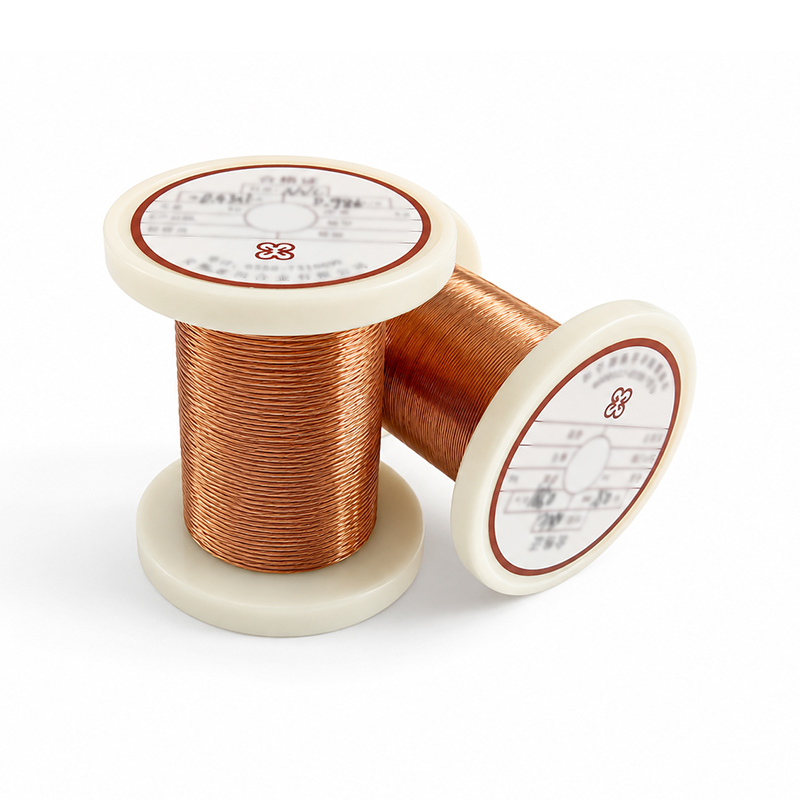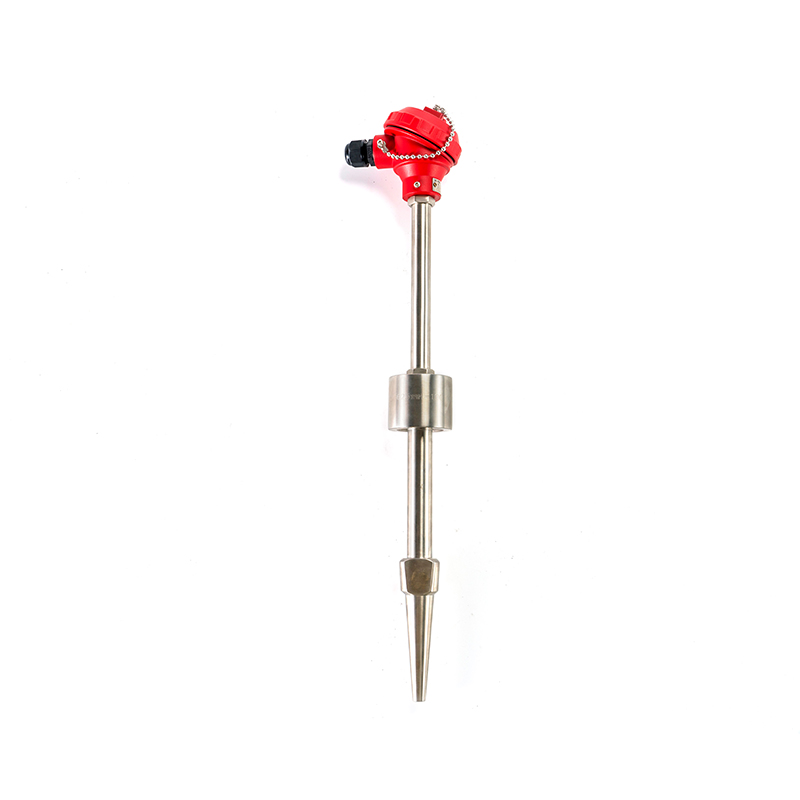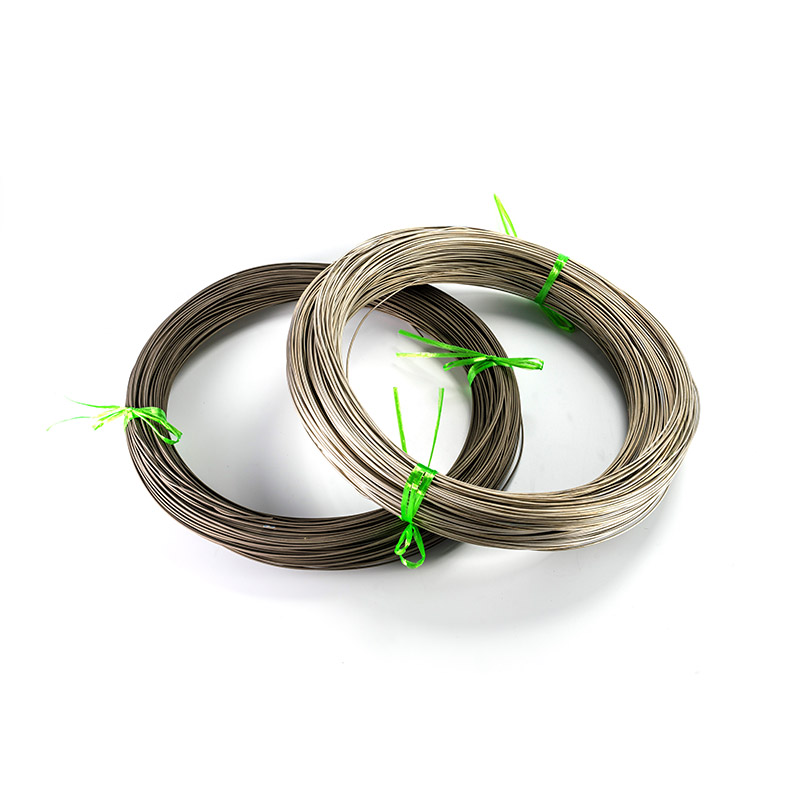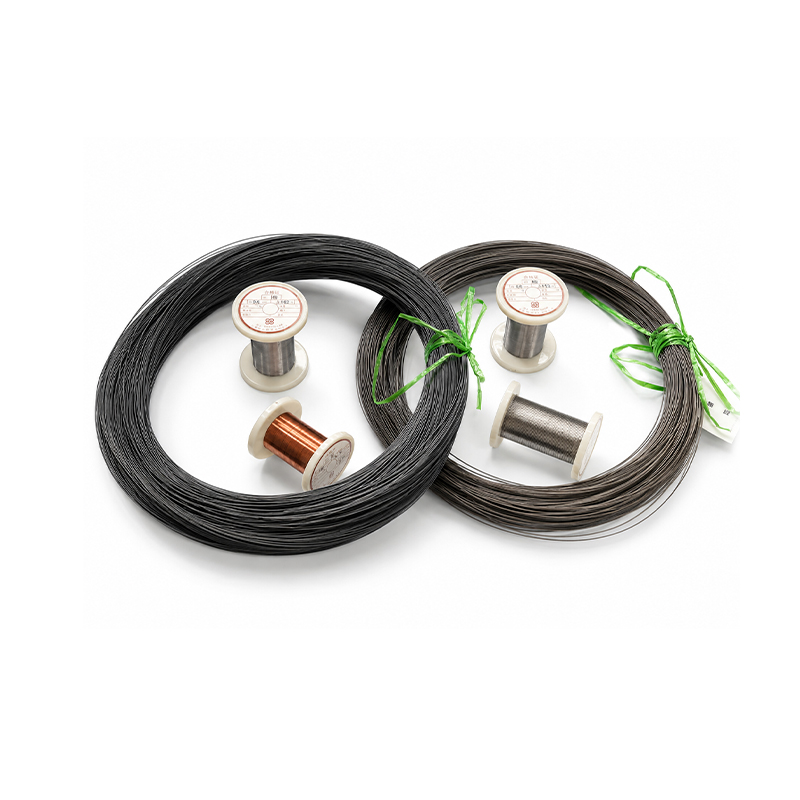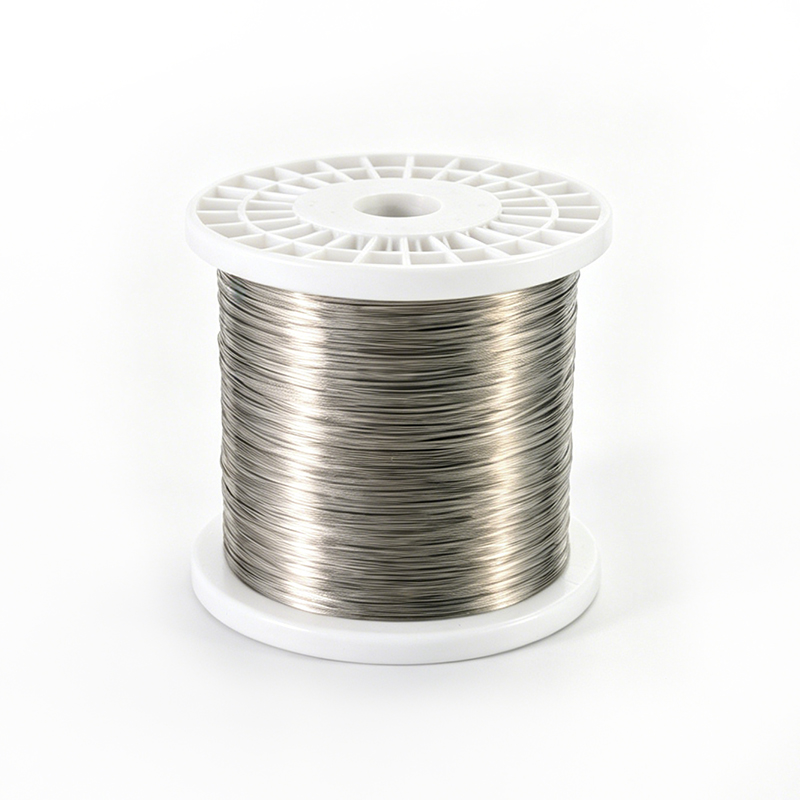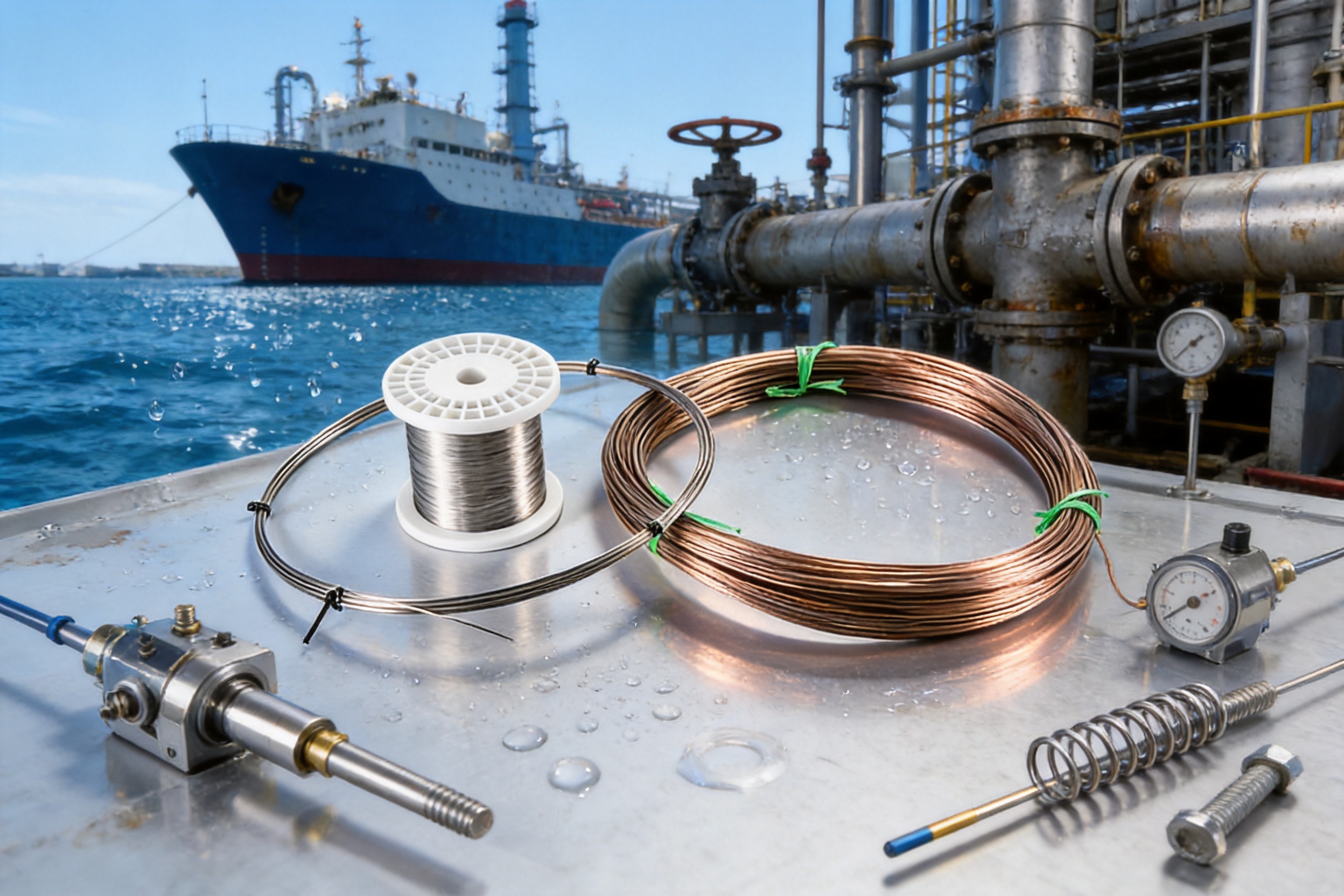
Monel nickel-copper alloy wire is a high-performance engineering material developed for applications where ordinary carbon steel, copper wire, and many conventional stainless steels cannot provide sufficient corrosion resistance, mechanical durability, or service reliability. Based primarily on nickel and copper, Monel alloy wire combines strength, toughness, resistance to seawater, resistance to selected acids and alkalis, and good performance across a broad temperature range.
Wire products manufactured from Monel alloys are used in marine engineering, shipbuilding, petrochemical processing, aerospace equipment, medical devices, precision instruments, thermocouple-related components, electrical contacts, fasteners, springs, and corrosion-resistant structural parts. Depending on the selected grade, heat treatment, diameter, and mechanical condition, the wire can be supplied for applications emphasizing corrosion resistance, machinability, flexibility, strength, wear resistance, or dimensional stability.
Xinguo Group Co., Ltd. supplies Monel alloy wire and related alloy materials for industrial customers requiring dependable composition control, stable mechanical properties, accurate dimensions, and professional technical support. Its manufacturing resources cover alloy materials, temperature instruments, cables, precious metals, and industrial instrumentation, allowing customers to source compatible materials and instruments from an experienced engineering organization.
Monel nickel-copper alloy wire is a nickel-base alloy wire containing a substantial proportion of copper together with controlled amounts of iron, manganese, silicon, carbon, aluminum, and titanium, depending on the grade. The nickel-copper matrix provides a combination of corrosion resistance and mechanical performance that is particularly valuable in marine and chemical environments.
The most commonly specified grades in this product family include Monel 400 and Monel K-500. Monel 400 is generally selected when corrosion resistance, toughness, ductility, and processing performance are the main priorities. Monel K-500 is an age-hardenable version designed to provide higher strength, hardness, and wear resistance than Monel 400 after suitable processing and heat treatment.
Unlike ordinary copper wire, Monel wire is not selected primarily for maximum electrical conductivity. Its value lies in its ability to retain useful mechanical and chemical properties in aggressive environments. Compared with many stainless steel wires, it offers particularly strong resistance in seawater and hydrofluoric-acid-related service conditions, together with good low-temperature toughness.
The wire form provides additional manufacturing flexibility. It can be drawn, bent, coiled, formed, stamped, turned, or fabricated into springs, contacts, sensor parts, fasteners, seals, and small structural components. The correct processing method depends on the grade, temper, wire diameter, required final properties, and intended application.
Marine systems expose materials to salt water, dissolved oxygen, chloride ions, changing temperatures, mechanical vibration, and crevice conditions. Monel alloy wire is well suited to many of these environments because its nickel-copper composition provides strong resistance to seawater corrosion and good durability in marine service.
Typical marine applications include corrosion-resistant wires, sensor components, valve parts, fasteners, elastic elements, marine instruments, and small components installed in or near seawater. The alloy can help reduce premature replacement, maintenance interruptions, and loss of component function caused by rust or localized corrosion.
Material selection must still consider velocity, stagnant water, galvanic coupling, deposits, stress conditions, and the exact chemical composition of the service medium. Monel wire should not be treated as universally immune to every marine corrosion mechanism. Correct design, surface protection where appropriate, and compatibility with adjacent materials remain important.
Monel alloy wire is valued in chemical and petrochemical equipment because it can withstand many corrosive environments that rapidly attack common steels and ordinary copper alloys. Its performance is especially relevant in applications involving seawater, selected acidic media, alkaline solutions, oil and gas environments, and hydrofluoric-acid-related service.
Petrochemical applications can include heating wires, temperature-measuring elements, seals, internal structural wires, and corrosion-resistant connection components. The material may also be used where hydrogen sulfide or other aggressive substances are present, provided the final design is evaluated against the exact concentration, pressure, temperature, flow rate, and exposure time.
Corrosion resistance is influenced by more than nominal chemical composition. Welding conditions, surface contamination, residual stress, heat treatment, crevice geometry, and contact with dissimilar metals can all affect service performance. For this reason, professional production and careful fabrication are essential when Monel wire is specified for chemical equipment.
Monel alloy wire combines useful strength with good toughness. This balance is important for springs, fasteners, elastic parts, instrument components, and formed wire products that must withstand vibration, repeated loading, or impact without sudden failure.
Monel 400 is commonly selected for applications that require a balanced combination of corrosion resistance, ductility, toughness, and processing performance. Monel K-500 can provide substantially higher strength and hardness after age-hardening treatment, making it suitable for more demanding mechanical applications and wear conditions.
The strength of a finished wire is affected by alloy grade, diameter reduction, cold work, intermediate annealing, final heat treatment, and product temper. Customers should therefore specify the required tensile strength, elongation, hardness, bending performance, and delivery condition rather than relying only on the alloy name.
Monel alloy wire maintains useful mechanical and chemical properties in both relatively low- and elevated-temperature environments. Its good low-temperature toughness is valuable in applications where brittle behavior would create a safety risk. It can also be used in selected medium- and high-temperature industrial environments when the service temperature remains within the appropriate grade and design limits.
Potential uses include temperature sensors, instrument elastic parts, aerospace connectors, engine accessories, chemical equipment components, and corrosion-resistant wires. The actual temperature limit depends on stress, atmosphere, exposure duration, oxidation conditions, thermal cycling, and the specific grade or temper.
Long-term service should remain within the rated range established by the engineering design. When the wire is used near its temperature limit, customers should evaluate creep, oxidation, thermal expansion, electrical resistance, fatigue, and compatibility with insulation or surrounding materials.
Monel wire can be bent, coiled, drawn, turned, stamped, and processed using other suitable forming methods. It is also compatible with argon arc welding, resistance welding, and brazing when correct procedures and suitable filler materials are used.
Because nickel-based alloys can work-harden during cold deformation, forming operations must be controlled carefully. Excessive deformation without appropriate process planning can increase hardness, reduce ductility, and make subsequent forming more difficult. Spring and elastic-part production should be based on controlled deformation, suitable tooling, and, where necessary, intermediate annealing.
During welding, the material should be protected against contamination and high-temperature oxidation. Proper cleaning, shielding-gas control, joint preparation, heat management, and post-weld inspection help preserve the corrosion resistance and mechanical integrity of the finished component.
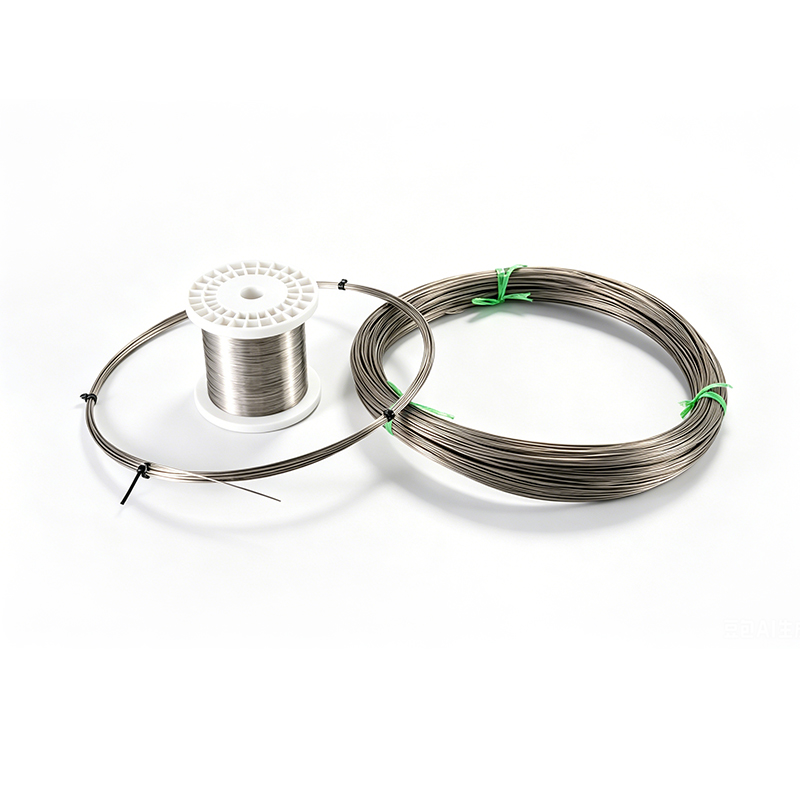
Monel( nickel-copper) alloy wire
Monel 400 is a nickel-copper alloy known for its reliable corrosion resistance, good toughness, and comparatively favorable processing characteristics. It is frequently selected for marine components, chemical equipment, heat exchangers, valves, pumps, fasteners, sensor elements, and wire products that require dependable performance in corrosive environments.
Its balanced properties make it appropriate for applications where extreme tensile strength is not the only design objective. Monel 400 can be supplied in different tempers to meet requirements for flexibility, spring action, tensile strength, or forming performance.
According to the provided product data, representative tensile strength for Monel 400 wire is approximately 450 to 650 MPa, with elongation of approximately 20% to 30%. Actual values depend on product size, manufacturing condition, heat treatment, and applicable specification. Final purchase documentation should identify the agreed standard and test requirements.
Monel K-500 is an age-hardenable nickel-copper alloy containing controlled aluminum and titanium additions. Through appropriate processing and aging treatment, it can achieve higher strength, hardness, and wear resistance than Monel 400.
Monel K-500 wire is suitable for high-strength fasteners, springs, shafts, pump components, valve parts, instrument components, wear-resistant elements, and other applications where corrosion resistance must be combined with greater mechanical capability.
According to the supplied data, representative tensile strength for Monel K-500 wire is approximately 890 to 950 MPa, with elongation of approximately 20% to 30%. These figures are indicative product information rather than a universal guarantee for every diameter or temper. Customers should confirm the required mechanical condition before production.
| Property or requirement | Monel 400 wire | Monel K-500 wire |
| Primary design emphasis | Corrosion resistance, toughness, ductility, and processing performance | Higher strength, hardness, and wear resistance combined with corrosion resistance |
| Typical treatment concept | Solution-treated or supplied in a selected cold-worked condition | Age-hardened after suitable processing |
| Representative tensile strength | Approximately 450–650 MPa | Approximately 890–950 MPa |
| Representative elongation | Approximately 20–30% | Approximately 20–30% |
| Typical applications | Marine wire, chemical equipment, sensors, valves, fasteners, and formed components | High-strength springs, fasteners, wear parts, shafts, valves, and demanding instrument components |
The comparison demonstrates why alloy selection should be based on actual operating conditions rather than on corrosion resistance alone. Monel 400 may be the better choice for complex forming or applications emphasizing toughness and ductility. Monel K-500 may be preferred where higher strength, hardness, and wear resistance are necessary.
Reliable chemical composition is essential for Monel alloy wire because small variations in alloying elements can influence strength, heat treatment response, corrosion behavior, weldability, conductivity, and forming performance. Controlled melting, sampling, analysis, and traceability are therefore fundamental parts of professional alloy production.
The supplied reference data identifies nickel and copper as the principal elements. Monel 400 contains approximately 66% nickel and 28% to 34% copper, with controlled amounts of manganese, iron, silicon, carbon, aluminum, and titanium. Monel K-500 contains approximately 67% nickel and 27% to 33% copper, with aluminum and titanium additions that support age-hardening behavior.
| Element | Monel 400 reference range | Monel K-500 reference range |
| Nickel, Ni | Approximately 66% | Approximately 67% |
| Manganese, Mn | Not more than 1.25% | Not more than 1.50% |
| Iron, Fe | Approximately 1.0–2.5% | Not more than 2.0% |
| Silicon, Si | Not more than 0.50% | Not more than 0.50% |
| Copper, Cu | Approximately 28–34% | Approximately 27–33% |
| Carbon, C | Not more than 0.15% | Not more than 0.15% |
| Aluminum, Al | Not more than 0.50% | Approximately 2.30–3.15% |
| Titanium, Ti | Not more than 0.20% | Approximately 0.35–0.85% |
The values above are reference information provided for product comparison. A specific order should be manufactured and inspected according to the applicable international, national, industrial, or customer specification. Mill certificates and inspection documents should identify the heat number, chemical composition, mechanical results, dimensions, and other agreed information.
Manufacturing begins with a technical review of the application. Important factors include the alloy grade, wire diameter, dimensional tolerance, coil or straight-length form, tensile strength, elongation, hardness, surface condition, minimum bending radius, welding method, service temperature, corrosion medium, and required documentation.
This review helps prevent a common material-selection problem: choosing an alloy based only on a general product name without confirming the actual operating conditions. A wire for a seawater sensor, a high-strength spring, a chemical seal, and a compensating-wire assembly may require different tempers and inspection criteria even if all are described as Monel wire.
Nickel, copper, and controlled alloying additions must be selected and prepared according to the target grade. Clean charge materials, controlled batching, and accurate weighing help maintain the required composition. Particular attention is given to elements such as aluminum and titanium in Monel K-500 because they contribute to precipitation-hardening behavior.
Material identification and batch traceability should be maintained from the initial charge through melting, forming, drawing, heat treatment, inspection, and packing. Traceability gives customers greater confidence that test results correspond to the supplied wire.
During melting, the production team controls temperature, atmosphere, charge sequence, holding time, and alloy additions. The purpose is to achieve a uniform molten composition and minimize contamination, segregation, gas absorption, and unwanted inclusions.
After casting, homogenization or other suitable thermal processing can help reduce chemical segregation and prepare the material for subsequent deformation. The appropriate process route depends on the grade, ingot or billet size, equipment configuration, and final wire specification.
Cast material is converted into a workable intermediate form through forging, rolling, extrusion, or another suitable operation. Hot-working temperature and reduction schedules must be controlled to obtain sound internal structure while avoiding excessive oxidation, cracking, or dimensional instability.
Intermediate inspections can include visual examination, dimensional checks, surface inspection, and testing for internal soundness. Detecting defects at an early stage reduces the risk of producing long lengths of nonconforming wire.
Wire drawing is a critical process for achieving accurate diameter, surface quality, strength, and consistency. The drawing schedule may include multiple reductions, controlled lubrication, die selection, cleaning, and intermediate annealing.
Because Monel alloys can work-harden, the reduction per pass and total cold reduction must be carefully managed. Excessive reduction can make the material difficult to form and may increase residual stress. An optimized schedule helps deliver the required combination of dimensional accuracy, tensile strength, elongation, and surface finish.
Precision drawing is particularly important for thermocouple-related wire, instrument springs, fine wire, sensor components, and small fasteners. Stable diameter improves assembly accuracy and helps maintain consistent electrical, mechanical, and thermal behavior.
Heat treatment is selected according to the alloy grade and required product condition. For Monel 400, treatment may be used to obtain an appropriate balance between ductility, strength, and forming capability. For Monel K-500, solution treatment and age-hardening processes are central to achieving the desired increase in strength and hardness.
Furnace temperature uniformity, heating rate, soaking time, cooling method, loading arrangement, and atmosphere control influence the final result. Inadequate control can produce uneven properties, excessive oxidation, dimensional changes, or insufficient aging response.
Professional manufacturing therefore combines process parameters with verification testing. Hardness, tensile strength, elongation, and dimensional checks help confirm that the heat-treated wire meets the agreed requirements.
Surface condition has a direct effect on forming, welding, corrosion behavior, appearance, and customer processing. Depending on the product specification, the wire may undergo cleaning, pickling, polishing, straightening, bright finishing, or other surface treatment.
Surface inspection should identify scratches, laps, cracks, scale, pits, contamination, and other defects that could affect service performance. For precision components, even small surface imperfections may become stress concentrators during repeated bending or spring operation.
Final inspection may include chemical analysis, tensile testing, elongation testing, hardness measurement, dimensional inspection, surface examination, coil weight verification, and packaging review. Additional tests can be arranged when required by the application or purchasing specification.
Inspection documentation supports quality assurance and helps customers integrate the wire into their own production systems. Typical documents may include material certificates, test reports, dimensional records, heat-treatment information, packing lists, and certificates of conformity.
Xinguo Group Co., Ltd. is a national high-tech enterprise with a group structure that includes Anhui Xinguo Instrument Co., Ltd., Shenyang Oudi Instrument Manufacturing Co., Ltd., Anhui Xinguo Alloy Co., Ltd., Anhui Xinguo Cable Co., Ltd., and Anhui Xinguo Precious Metal Co., Ltd. This organization provides an engineering foundation covering alloy materials, instrumentation, cables, and related industrial products.
Founded in 1997 and located in Tianchang City, Anhui Province, China, the group has a registered capital of RMB 118 million. It covers more than 150 mu of land, has a construction area of approximately 60,000 square meters, and employs nearly 300 people, including more than 50 professional technicians, senior technical experts, senior engineers, engineers, and assistant engineers.
The combination of technical personnel, production equipment, modern manufacturing methods, and inspection procedures supports the production of alloy wire for customers with demanding quality requirements. A broad product portfolio also allows the company to understand how alloy wires interact with thermocouples, industrial cables, sensors, pressure instruments, flow meters, level instruments, and other equipment.
The company has obtained ISO9001 Quality Management System certification, ISO14001 Environmental Management System certification, and GB/T28001 Occupational Health and Safety Management System certification. These systems provide a structured basis for process control, environmental management, occupational safety, corrective action, and continuous improvement.
Certification alone does not replace technical inspection, but it establishes a formal management framework for consistent production. In alloy-wire manufacturing, this framework is valuable because product quality depends on many linked stages, including raw-material purchasing, melting, drawing, heat treatment, testing, storage, and shipment.
Different applications require different combinations of alloy composition, wire diameter, temper, strength, flexibility, and surface finish. Xinguo Group’s research and development resources support the evaluation and improvement of material processes, instrumentation products, and application-specific solutions.
Technical support can assist customers in comparing Monel 400 and Monel K-500, selecting a suitable product condition, determining whether the wire is appropriate for bending or spring formation, and identifying the inspection documents required for a project.
Many industrial projects require more than a single wire product. A temperature measurement assembly may require thermocouple wire, compensating wire, protective tubing, connectors, and an industrial instrument. A chemical plant may require alloy wire together with temperature instruments, pressure transmitters, pressure gauges, cables, and other accessories.
Because Xinguo Group provides temperature instruments, pressure instruments, flow meters, level instruments, instrument materials, alloy wire, pressure transmitters, and pressure gauges, customers can coordinate related components through one supplier. This can simplify technical communication, purchasing, quality documentation, and after-sales support.
The company states that its products comply with IEC international standards as well as applicable national and industrial specifications. For Monel alloy wire, the applicable standard should be agreed during quotation and order confirmation because requirements can differ according to alloy designation, product form, diameter, temper, test method, and market.
Customers should provide drawings, technical specifications, reference standards, application conditions, and inspection requirements whenever possible. Clear documentation helps align the manufacturing process with the final use of the wire.
Monel alloy wire is used in marine instruments, sensor components, valve parts, fasteners, elastic components, and corrosion-resistant structural elements. Its resistance to seawater makes it useful in equipment exposed to splash zones, submerged environments, and salt-laden atmospheres.
Designers should consider galvanic compatibility when Monel wire is connected to aluminum, carbon steel, stainless steel, copper alloys, or other dissimilar metals. Proper isolation, fastener selection, joint design, and drainage can help reduce galvanic corrosion risks.
In petrochemical facilities, wire products may be used for seals, temperature-measuring elements, heating elements, internal support parts, and corrosion-resistant fasteners. Monel wire can provide useful resistance in acid, alkali, oil, gas, and selected hydrogen-sulfide-containing environments.
For process equipment, chemical compatibility must be verified using the exact operating data. Concentration, water content, pressure, temperature, impurities, flow, and mechanical stress can significantly change corrosion behavior.
Aerospace applications demand low failure probability, dimensional stability, vibration resistance, and controlled material quality. Monel wire may be used in engine accessories, high-temperature connectors, instrument elastic parts, aerospace wires, and corrosion-resistant structural components.
For aerospace use, procurement should include the necessary traceability, inspection, qualification, and documentation requirements. The selected grade and condition must be confirmed against the applicable aerospace design standard.
Monel alloys may be considered for surgical instruments, orthopedic instruments, precision medical sensors, implant-related parts, and other components requiring corrosion resistance and mechanical reliability. However, medical-device applications require additional assessment of biocompatibility, sterilization, surface condition, extractables, manufacturing cleanliness, and applicable regulatory requirements.
The alloy should not be used in an implant or patient-contact application solely because it is corrosion resistant. The final medical device must be evaluated and qualified according to the relevant medical and regulatory standards.
Monel wire is suitable for precision elastic components, switch contacts, micro-motor components, corrosion-resistant sensor elements, and certain thermocouple-related or compensating-wire applications. Its combination of toughness, corrosion resistance, and dimensional stability can help maintain instrument performance over a long service period.
For instrument manufacturing, wire diameter tolerance, surface quality, spring characteristics, electrical continuity, and repeatability may be more important than maximum tensile strength. Product specifications should therefore be tailored to the instrument design.
Monel alloy wire can be used as a heating element in selected medium-temperature and corrosive environments. Its corrosion resistance may offer an advantage over ordinary heating alloys in certain chemical conditions. However, Monel has relatively low electrical resistivity compared with specialized resistance-heating alloys, so it is not normally the first choice for conventional high-power heating elements.
Monel wire may also be used for signal wires, structural components, and compensating-wire applications in corrosive environments. It is not generally recommended as a direct thermocouple electrode unless the design specifically validates its thermoelectric characteristics. Customers should distinguish between thermocouple electrodes, extension wires, compensating wires, signal wires, and mechanical support wires.
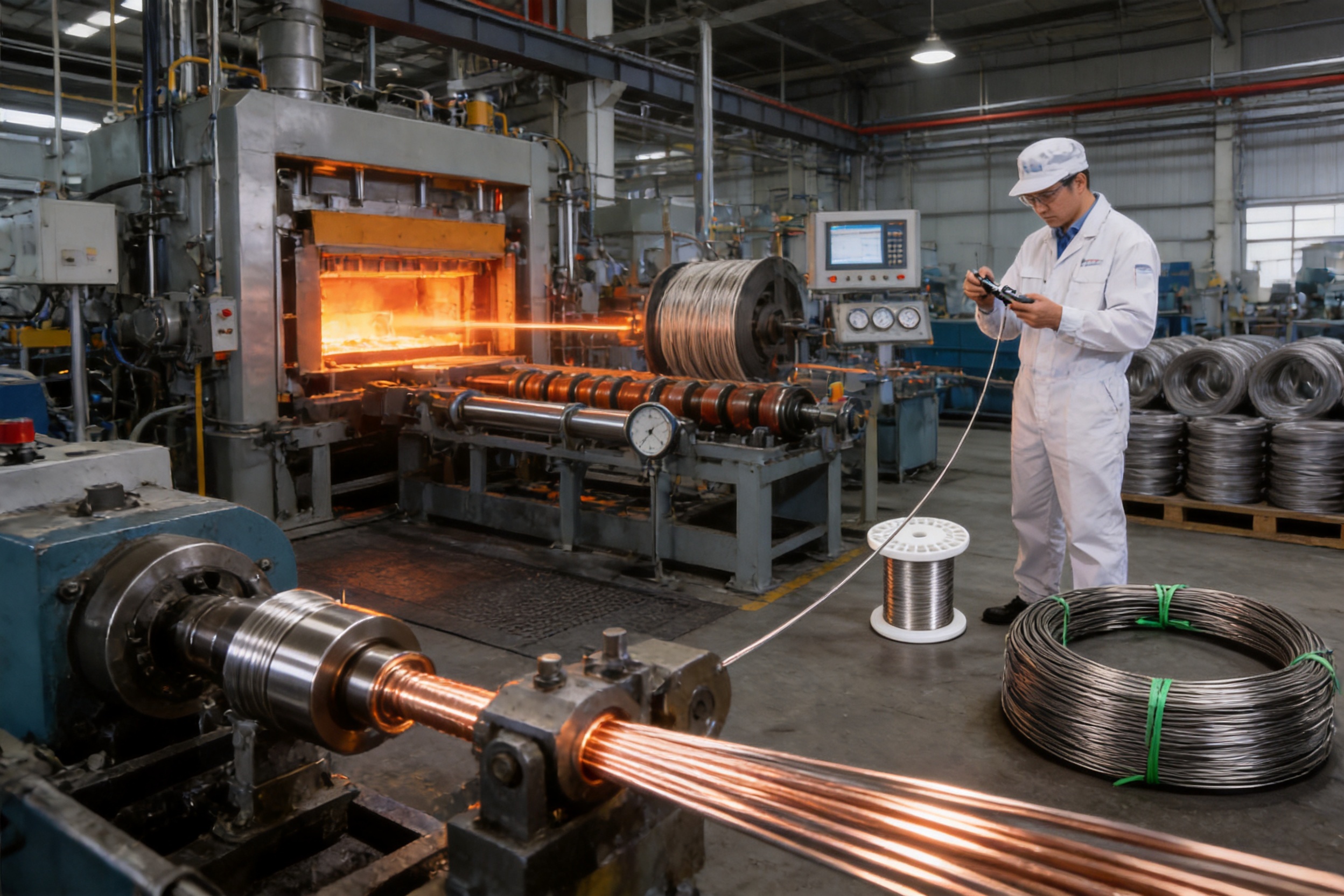
Before bending or coiling, confirm the wire grade, temper, diameter, and required bend radius. Monel 400 in a ductile condition may be appropriate for more complex forming, while cold-worked or age-hardened material may require larger radii and carefully controlled tooling.
Avoid sharp tooling edges, uncontrolled local deformation, and repeated bending in the same location. For spring production, the forming schedule should account for work hardening and springback. Trial pieces and mechanical testing are recommended before full-scale production.
Monel alloys can be drawn and machined, but work hardening and heat generation must be managed. Sharp, properly maintained tools, stable cutting conditions, adequate lubrication, and appropriate chip control can improve productivity and surface quality.
Wire drawing should use clean dies and suitable lubricants. Contamination from iron particles or unsuitable tooling can damage the surface and reduce corrosion performance. Cleaning between operations helps maintain product quality.
Argon arc welding, resistance welding, and brazing can be used for suitable Monel wire assemblies. The joint design, filler material, shielding gas, heat input, and cleaning procedure should be selected according to the grade and service requirements.
Oxidation and contamination during welding can impair the corrosion resistance of the joint or heat-affected area. Components should be cleaned before welding, protected by suitable shielding, and inspected after fabrication. Welded assemblies used in corrosive service may require leak testing, visual inspection, dimensional checks, or additional nondestructive examination.
Monel wire should be stored in a clean, dry environment and protected from water, aggressive chemicals, dust, and contact with carbon-steel contamination. Coils should be supported to prevent deformation and clearly identified with grade, size, batch, and quantity information.
Appropriate packaging helps prevent scratches, bending damage, moisture exposure, and loss of traceability during transportation. Export shipments should use packaging suitable for the transport route, climate, handling method, and storage period.
Stainless steel wire is widely available and often provides a cost-effective solution for general corrosion resistance. However, Monel alloy wire can offer important advantages when the application involves seawater, salt exposure, hydrofluoric-acid-related conditions, selected chemical environments, or low-temperature toughness requirements.
Monel wire generally has a higher material cost and higher density than common stainless steel wire. It may also require more specialized processing and tooling. The decision should therefore be based on total service value rather than initial purchase price alone.
| Comparison factor | Monel nickel-copper alloy wire | Common stainless steel wire |
| Seawater resistance | Excellent suitability for many marine conditions | Varies considerably by stainless grade and environment |
| Hydrofluoric-acid-related resistance | Often a major reason for selection | Common grades may be unsuitable |
| Low-temperature toughness | Good performance in demanding low-temperature applications | Depends strongly on grade and condition |
| Strength options | Monel 400 and age-hardenable Monel K-500 provide different property ranges | Broad range depending on austenitic, ferritic, martensitic, or precipitation-hardening grade |
| Material cost | Generally higher | Often lower for standard grades |
| Typical selection reason | Severe corrosion resistance combined with toughness or high strength | General corrosion resistance, availability, and economy |
The best material is the one that meets the complete design requirement. A lower-cost wire may become more expensive if corrosion causes frequent replacement, leakage, downtime, or safety problems. Conversely, Monel wire may be unnecessary for a mild environment where standard stainless steel provides adequate service.
Customers requesting Monel alloy wire should provide the alloy grade, wire diameter, dimensional tolerance, length or coil form, mechanical properties, surface finish, temper, packaging requirements, test standards, and estimated quantity.
Application information is also valuable. The supplier should know whether the wire will be used in seawater, acid, alkali, oil, gas, high-temperature equipment, low-temperature equipment, a spring, a sensor, a thermocouple assembly, a medical device, or a structural component.
For custom production, the following information can be included in the technical inquiry:
Alloy designation: Monel 400 or Monel K-500, or another approved grade.
Product form: round wire, fine wire, straight length, coil, spool, spring, formed part, or cut length.
Dimensions: nominal diameter, tolerance, length, coil inside diameter, and coil outside diameter.
Mechanical requirements: tensile strength, elongation, hardness, spring properties, fatigue requirements, or minimum bend radius.
Surface requirements: bright, cleaned, polished, pickled, scale-free, or customer-specific finish.
Testing requirements: chemical analysis, tensile test, hardness test, dimensional inspection, surface inspection, or special examination.
Service conditions: temperature, pressure, corrosion medium, immersion or exposure time, vibration, cyclic loading, and contact with dissimilar metals.
Documentation: certificate of conformity, material certificate, inspection report, heat-treatment record, packing list, and traceability requirements.
Its most prominent feature is the combination of high strength, good toughness, and excellent corrosion resistance in demanding environments. It performs particularly well in many seawater, salt, acid, alkali, and selected hydrofluoric-acid-related applications. It also provides useful heat resistance and creep resistance when used within suitable design limits.
Monel 400 emphasizes corrosion resistance, toughness, ductility, and processing performance. Monel K-500 contains aluminum and titanium additions and can be age-hardened to obtain higher strength, hardness, and wear resistance. Monel 400 is often selected for formed or corrosion-focused components, while Monel K-500 is used when greater mechanical strength is required.
It can be used as a heating element in selected medium-temperature and corrosive environments. Its corrosion resistance may be beneficial compared with ordinary heating materials. However, its electrical resistivity is relatively low, so it is not normally the first choice for conventional high-power heating applications. The design should consider power density, operating temperature, atmosphere, thermal cycling, and electrical requirements.
Monel wire may be used as a compensating wire, signal wire, or structural part in harsh corrosive environments when the application has been properly designed and validated. It is not generally recommended for direct use as a thermocouple electrode without confirming the required thermoelectric characteristics. The distinction between electrode wire, extension wire, compensating wire, and mechanical support wire is important.
Monel wire generally offers better resistance to seawater, salt corrosion, and hydrofluoric-acid-related environments than many common stainless steel grades. It also provides good low-temperature toughness. Its disadvantages may include higher cost, higher density, and more specialized processing requirements. The correct comparison must use a specific Monel grade and a specific stainless steel grade under the actual service conditions.
Monel K-500 can be suitable for high-strength springs and elastic components when the wire condition, forming method, aging treatment, fatigue requirement, and service environment are properly controlled. Spring manufacturers should evaluate springback, work hardening, residual stress, surface quality, and fatigue performance before production approval.
Yes. Suitable Monel wire can be joined by argon arc welding, resistance welding, brazing, and other qualified processes. Welding requires clean surfaces, suitable shielding, controlled heat input, compatible filler materials, and protection against high-temperature oxidation. The completed joint should be inspected according to the service requirement.
The most useful information includes alloy grade, diameter, tolerance, quantity, coil or straight-length form, temper, mechanical requirements, surface finish, application environment, packaging, delivery destination, applicable standard, and inspection-document requirements. Drawings or samples are helpful for custom wire products and formed components.
It may be considered for surgical instruments, orthopedic instruments, precision sensors, and other medical components requiring corrosion resistance. Medical applications require additional evaluation of biocompatibility, cleanliness, sterilization, surface condition, regulatory compliance, and the exact patient-contact conditions. Product suitability must be confirmed through the appropriate qualification process.
Store it in a clean, dry location away from water, aggressive chemicals, dust, and carbon-steel contamination. Keep coils supported and protected against impact, scratches, and deformation. Maintain clear identification of alloy grade, size, batch number, and quantity throughout storage and fabrication.
Selecting a specialized manufacturer can improve the reliability of alloy-wire procurement because performance depends on more than nominal composition. Melting control, drawing practice, heat treatment, surface condition, dimensional accuracy, testing, packaging, and documentation all influence the suitability of the finished wire.
A manufacturer with alloy, instrumentation, cable, and industrial-product capabilities can also provide more informed technical support. This is especially useful when the wire is part of a thermocouple assembly, industrial sensor, high-temperature instrument, pressure system, control panel, or corrosion-resistant device.
Xinguo Group Co., Ltd. combines alloy-material manufacturing with industrial instrumentation and related product capabilities. Its experienced technical staff, production facilities, management certifications, inspection procedures, and research resources support customized supply for industrial customers in China and international markets.
The company’s stated principles include customer focus, consistent quality, continuous improvement, technical innovation, integrity, compliance, and sustainable growth. These principles are relevant to long-term alloy-wire supply because customers need stable quality, responsive communication, accurate documentation, and dependable delivery over repeated orders.
Monel nickel-copper alloy wire is an advanced material for applications requiring corrosion resistance, toughness, strength, and reliable performance in challenging environments. Its resistance to seawater, salt exposure, selected acids and alkalis, oil and gas media, and other corrosive conditions makes it a valuable alternative to ordinary steel, copper alloys, and many conventional stainless steels.
Monel 400 is generally chosen for a balanced combination of corrosion resistance, toughness, ductility, and processing performance. Monel K-500 provides a higher-strength option through age-hardening treatment and is suitable for demanding springs, fasteners, wear components, valves, shafts, and instrument parts.
Successful application depends on correct grade selection, controlled wire processing, suitable heat treatment, careful forming, clean welding, accurate inspection, and proper storage. Xinguo Group Co., Ltd. supports these requirements through alloy manufacturing, research and development, certified management systems, modern equipment, professional personnel, and integrated industrial instrumentation capabilities.
For customers seeking customized Monel alloy wire, the best procurement approach is to define the service environment and technical requirements clearly before production. When the alloy grade, wire condition, dimensions, testing, and application conditions are properly matched, Monel wire can provide durable and cost-effective performance in some of the most demanding industrial applications.
1. General technical information for nickel-copper alloy wire, including Monel 400 and Monel K-500 product characteristics.
2. International and national standards applicable to nickel-copper alloy composition, wire products, mechanical testing, and quality documentation.
3. Technical literature on corrosion-resistant nickel-base alloys in marine, chemical, petrochemical, and high-temperature service.
4. Technical literature on cold working, wire drawing, annealing, aging treatment, welding, and fabrication of nickel-copper alloys.
5. Quality management principles based on ISO9001, ISO14001, and occupational health and safety management practices.
6. Industrial design guidance for corrosion-resistant fasteners, springs, sensors, instrument components, and temperature-measurement assemblies.
7. Manufacturer-provided reference data for Monel 400 and Monel K-500 chemical composition and representative mechanical properties.



 INQUIRY
 English
 عربى
 русский
 中文简体