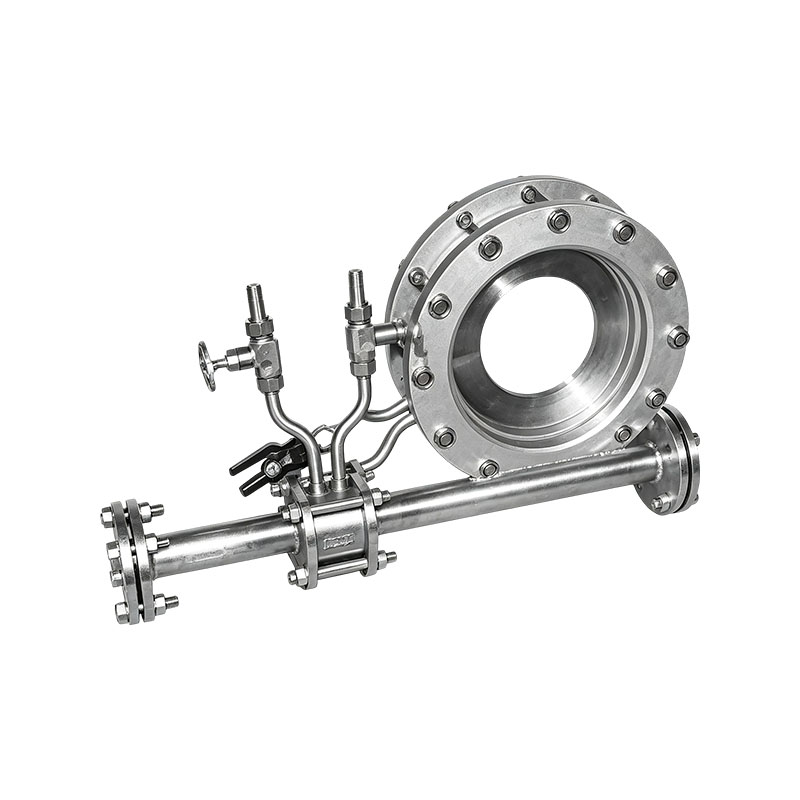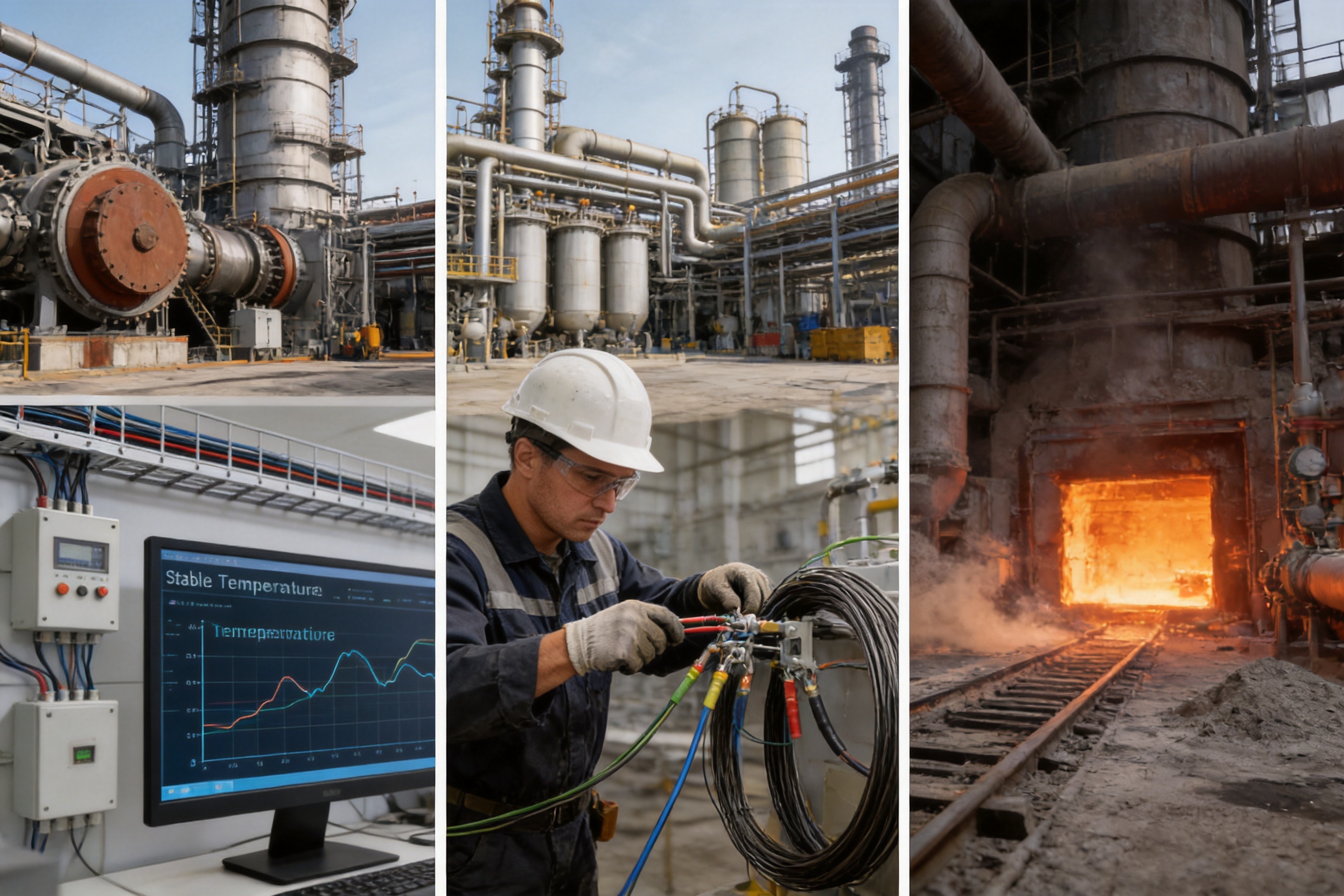
Accurate temperature measurement depends on more than the thermocouple installed at the measuring point. The signal must travel from the thermocouple junction to a temperature indicator, transmitter, controller, data acquisition module, or distributed control system. During this transmission, unsuitable cable materials, incorrect polarity, poor connections, excessive ambient temperature, and thermoelectric inconsistency can introduce errors. Thermocouple compensating wire alloy wire is designed to address these challenges and provide a stable electrical path for thermoelectric signals.
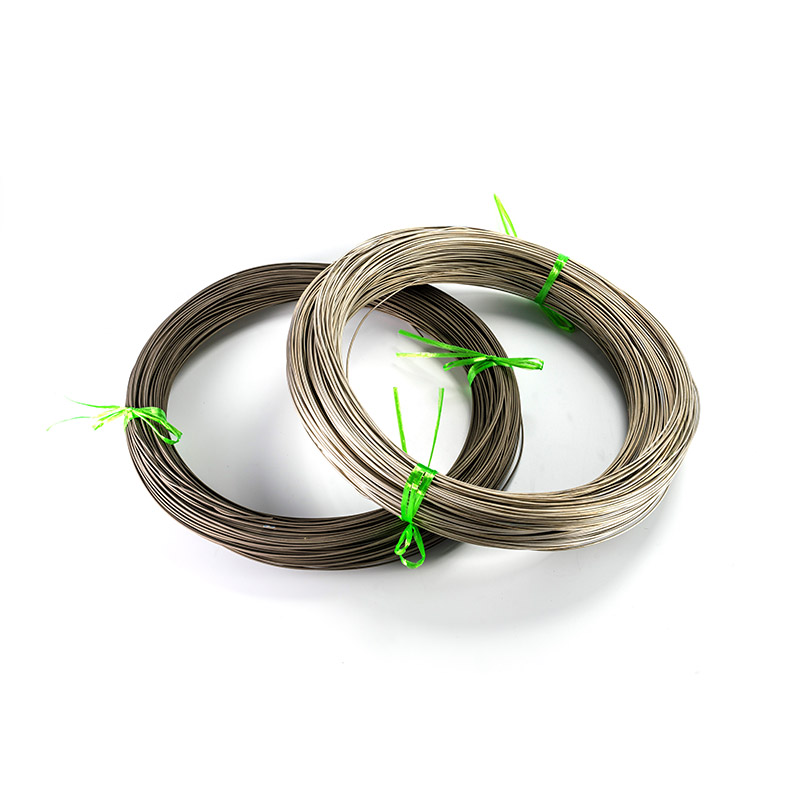
Thermocouple compensating wire alloy wire is a specialized conductive material used to manufacture compensating cables and extension cables for industrial temperature measurement systems. Its alloy composition is selected to match the thermoelectric characteristics of a corresponding thermocouple type within a specified temperature range. When correctly selected and installed, the wire helps transmit the thermoelectromotive force generated by the thermocouple while reducing cold-end measurement errors.
Unlike ordinary copper electrical cable, compensating wire is not intended to carry power. It is an instrument-grade signal conductor whose electrical and thermoelectric properties are carefully controlled. It must work as part of a complete temperature measurement circuit, together with the correct thermocouple, cable insulation, terminals, extension components, and measuring instrument.
Modern industrial plants require temperature signals that remain stable over long cable runs and under demanding environmental conditions. Power stations, refineries, chemical plants, steel mills, cement plants, machinery factories, HVAC systems, and automated production lines all depend on dependable temperature feedback. A high-quality compensating alloy wire helps protect measurement accuracy, reduce maintenance, and improve the reliability of process control.
Produced by Xinguo Group Co., Ltd., the product is supported by integrated capabilities in alloy manufacturing, cable production, temperature instrumentation, inspection, and industrial engineering. This combination allows the manufacturer to control the material and production chain more closely than a supplier that only assembles finished cables or distributes generic wire.
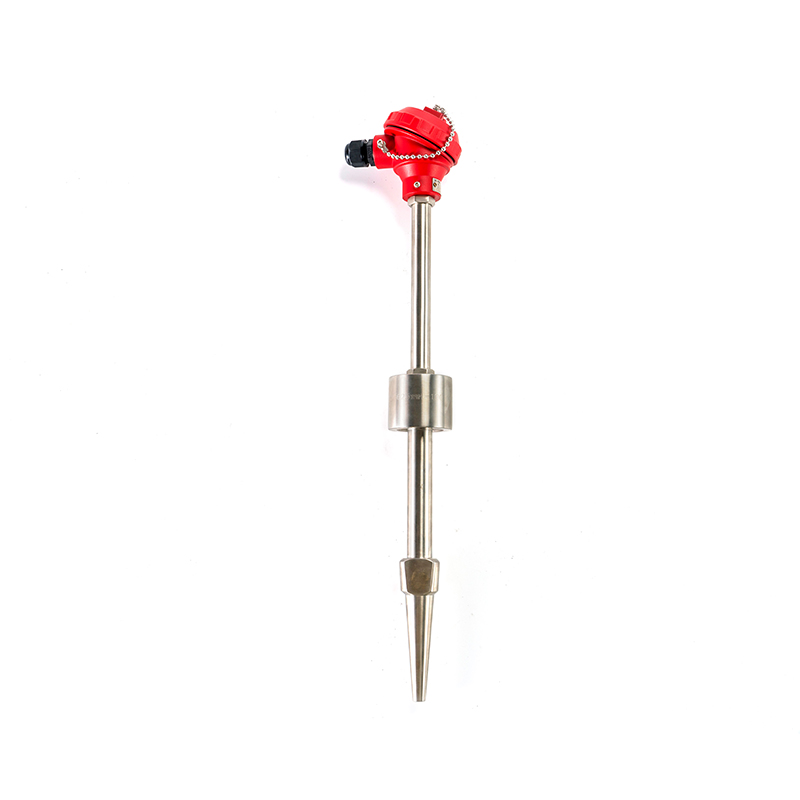
A thermocouple generates a small electrical voltage when two dissimilar metals are connected and exposed to a temperature difference between the measuring junction and reference junction. The measuring instrument interprets this voltage as temperature. Because the generated signal is normally measured in microvolts or millivolts, even a small unwanted thermoelectric voltage can affect the displayed temperature.
Compensating alloy wire is manufactured to produce a thermoelectric response that is compatible with a particular thermocouple type. The wire is connected to the thermocouple cold end and then routed to an instrument or control cabinet. It helps extend the thermocouple circuit while maintaining the expected relationship between temperature and thermoelectric voltage.
The term “compensating wire” is sometimes used broadly in the market, although technical distinctions exist between compensating and extension conductors. Some conductors are designed to reproduce the thermoelectric characteristics of the thermocouple over a limited range, while others are made from the same nominal thermoelectrode materials as the thermocouple itself. Selection must therefore be based on thermocouple type, temperature range, accuracy class, cable construction, and applicable standards.
The alloy wire described in this article can be supplied for commonly used thermocouple types, including S, R, K, N, E, J, and T. Each type requires a different pair of conductor materials. The wire must not be substituted across types merely because the cable appearance or nominal diameter is similar.
The performance of a temperature circuit begins with the alloy. Nickel, chromium, silicon, copper, iron, and other metallic elements may be used in carefully controlled proportions depending on the required thermocouple or compensating wire type. Variations in composition can change the thermal electromotive force, resistance, oxidation behavior, mechanical strength, and welding characteristics.
For example, a K-type circuit generally requires KX, KCA, or KCB compensating or extension wire. An E-type circuit uses EX wire, a J-type circuit uses JX wire, and a T-type circuit uses TX wire. N-type systems use NX or NC materials. S- and R-type thermocouples may use SC or RC compensating conductors. These designations are not interchangeable.
A controlled alloy composition provides several important advantages:
Thermoelectric consistency: The alloy generates a predictable signal in relation to temperature, allowing the connected instrument to interpret the measurement correctly.
Low thermoelectric drift: Stable material properties help reduce long-term changes in signal output caused by thermal aging or repeated exposure to operating conditions.
Oxidation resistance: Appropriate alloying improves resistance to oxidation, especially when the conductor is exposed to elevated temperature or when cable protection is damaged.
Corrosion resistance: Resistance to acids, alkalis, moisture, and industrial contaminants supports longer service life in chemical and process environments.
Mechanical flexibility: Fine and uniform wire can be processed into flexible cable constructions that are easier to route through conduits, cabinets, trays, and equipment connections.
Weldability: Good welding and joining behavior assists the production of reliable thermocouple and cable terminations.
Dimensional stability: Consistent wire diameter and cross-sectional area support predictable resistance and dependable cable manufacturing.
These properties distinguish thermocouple alloy wire from general-purpose metal wire. A conductor may have adequate electrical conductivity and still be unsuitable for thermoelectric measurement if its composition, thermal response, or connection behavior is not controlled.
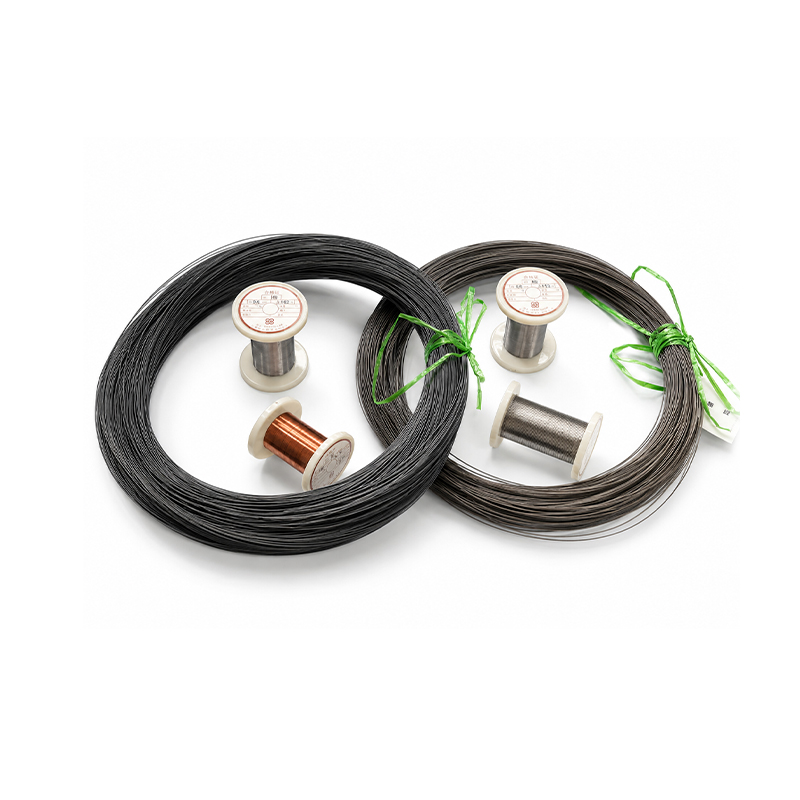
Thermocouple compensating wire alloy wire
The main purpose of compensating alloy wire is to transmit the thermocouple signal with minimal additional error. In a production plant, a temperature sensor may be installed hundreds of meters from the control room. The cable must preserve the signal while passing through areas containing motors, heaters, transformers, electromagnetic fields, vibration, moisture, and corrosive gases.
Correctly selected alloy wire provides a compatible thermoelectric path between the thermocouple and the instrument. This supports more stable indication and helps the control system respond to actual process conditions rather than cable-generated errors.
A thermocouple measures a temperature difference rather than absolute temperature directly. The reference or cold junction must therefore be known or compensated. If ordinary metal wire is connected between the thermocouple and the instrument, additional junctions with different thermoelectric characteristics may be created. These junctions can generate unwanted voltages.
Compensating wire is designed to reduce this problem by matching the required thermoelectric behavior over its rated operating range. It allows the cold end to be located at a practical terminal point while the measuring instrument or transmitter performs reference-junction compensation.
Temperature signals are used to regulate combustion, heating, cooling, chemical reactions, drying, annealing, casting, and many other processes. A fluctuating or inaccurate signal may cause unnecessary heating, incomplete processing, product defects, equipment damage, or unsafe conditions.
Stable compensating wire supports more dependable feedback for programmable controllers, distributed control systems, industrial computers, recorders, and supervisory systems. Accurate feedback also helps operators optimize energy consumption and maintain consistent product quality.
Industrial cable routes are rarely ideal. Even when the wire is installed inside a protective cable, it can experience bending during installation, vibration during operation, temperature cycling, humidity, chemical vapors, and mechanical stress at terminals. Alloy wire with good oxidation resistance, corrosion resistance, flexibility, and weldability is better suited to these conditions than uncontrolled low-cost substitutes.
Durable wire reduces the probability of open circuits, unstable resistance, intermittent connections, and thermoelectric drift. It can also reduce replacement frequency and the labor required to troubleshoot difficult-to-reproduce measurement faults.
A broad product range makes it possible to select a suitable conductor for different plant areas and instrumentation systems. K-type thermocouples are common in furnaces, engines, heat treatment systems, and general industrial equipment. E-type products are useful where high sensitivity is required. J-type systems are used in many machinery and process applications. T-type systems are suitable for lower-temperature measurement. N-type products provide stable performance in demanding high-temperature environments, while S- and R-type systems are often used for high-temperature precision measurement.
Availability across these categories helps engineering teams standardize purchasing while still matching each sensor circuit correctly.
Ordinary electrical wire is designed primarily to carry current efficiently and safely. Its performance is typically evaluated through conductivity, insulation, voltage rating, temperature rating, mechanical strength, and fire behavior. Thermocouple compensating wire has an additional requirement: its thermoelectric response must be compatible with a particular sensor type.
Using ordinary copper wire in a thermocouple circuit may appear economical, but it can cause measurement errors at every transition between dissimilar metals. The resulting error may not be obvious during a basic continuity test because the circuit can remain electrically complete while still producing an incorrect temperature reading.
Compensating wire also differs from power cable in current-carrying capacity. The signal circuit is generally a low-energy measurement circuit. The alloy conductor, insulation, shielding, and terminals are selected for signal integrity, not for supplying motors, heaters, valves, or other electrical loads.
Another important difference is polarity. Thermocouple cables have positive and negative conductors with different compositions. Reversing them can reverse or offset the generated thermoelectric voltage, resulting in a low, unstable, or otherwise incorrect temperature display. Color identification and terminal marking must be followed carefully.
Compared with low-quality generic alloy wire, a controlled product offers more reliable composition, more consistent diameter, better traceability, and more dependable thermoelectric performance. The initial purchase price is only one part of the total cost. Measurement errors, unplanned shutdowns, scrap products, and repeated maintenance can make an unsuitable wire much more expensive over its service life.
The following table summarizes the principal thermocouple types and compatible compensating or extension wire designations available for this product family. Actual selection should be confirmed against the project specification, applicable standard, instrument input, temperature range, and required accuracy class.
| Thermocouple type | Typical compensating or extension wire | Common application focus | Important selection consideration |
| S or R | SC or RC | High-temperature furnaces, laboratory and precision process measurement | High-temperature compatibility and accuracy class |
| K | KX, KCA, or KCB | Boilers, turbines, furnaces, heat treatment, machinery, and general industrial measurement | Conductor type, temperature range, and installation environment |
| N | NX or NC | High-temperature and oxidation-resistant industrial applications | Long-term stability and environmental resistance |
| E | EX | Applications requiring relatively high thermoelectric sensitivity | Polarity, accuracy grade, and signal compatibility |
| J | JX | Machinery, industrial ovens, heat treatment, and process equipment | Operating temperature and iron-containing conductor protection |
| T | TX | Lower-temperature measurement, HVAC, laboratory, and refrigeration-related systems | Low-temperature performance and moisture protection |
The product can be produced in different conductor cross-sectional areas, including 0.2 mm², 0.5 mm², 1.0 mm², 1.5 mm², and 2.5 mm² cable-related sizes. The appropriate size depends on cable length, allowable resistance, installation method, mechanical requirements, terminal design, and signal transmission distance.
A larger cross-sectional area generally provides lower resistance and greater mechanical robustness. A smaller size may be easier to route through narrow spaces and may be sufficient for short signal paths. The choice should not be made solely on the basis of physical appearance. Engineering calculations and instrument requirements should determine the final specification.
Resistance affects signal transmission, especially in long cable runs and low-level measurement circuits. The resistance of a conductor is influenced by its material, cross-sectional area, length, temperature, and manufacturing consistency. The product range provides resistance reference values at 20°C for various wire types and cross-sectional areas.
| Wire type | 0.2 mm² Ω/m | 0.5 mm² Ω/m | 1.0 mm² Ω/m | 1.5 mm² Ω/m | 2.5 mm² Ω/m |
| SC or RC | 0.25 | 0.10 | 0.05 | 0.03 | 0.02 |
| KCA | 3.50 | 1.40 | 0.70 | 0.47 | 0.28 |
| KCB | 2.60 | 1.04 | 0.52 | 0.35 | 0.21 |
| KX | 5.50 | 2.20 | 1.10 | 0.73 | 0.44 |
| EX | 6.25 | 2.50 | 1.25 | 0.83 | 0.50 |
| JX | 3.25 | 1.30 | 0.65 | 0.43 | 0.26 |
| TX | 2.60 | 1.04 | 0.52 | 0.35 | 0.21 |
| NC | 3.75 | 1.50 | 0.75 | 0.50 | 0.30 |
| NX | 7.15 | 2.86 | 1.43 | 0.95 | 0.57 |
The values shown are reference values and should be interpreted together with the applicable technical specification. “Less than” resistance values indicate the stated maximum at the reference condition. Resistance may increase with temperature, and the complete cable assembly may have additional resistance from terminals, connectors, compensating junctions, and instrumentation inputs.
For long cable runs, engineers should evaluate the total loop resistance and confirm that it falls within the allowable range of the thermocouple transmitter, indicator, or acquisition module. A properly sized conductor helps maintain signal quality without creating unnecessary installation cost.
Compensating wire performance is evaluated by comparing its thermoelectric electromotive force with the expected standard value for the relevant thermocouple system. The product information includes precision and general accuracy classifications. The permitted tolerance differs according to thermocouple type, measuring junction temperature, and wire grade.
For example, K-type KX, KCA, and KCB wire data may be specified at reference points such as -25°C, 100°C, and 200°C. At 100°C, the standard thermoelectric value shown for the K family is approximately 4096 microvolts, with precision and general tolerances identified separately. At 200°C, the standard value is approximately 8138 microvolts, with the applicable general tolerance shown in the technical data.
Other product families have their own reference values. S- or R-type SC or RC wire is listed at 100°C with a standard value of approximately 646 microvolts. N-type wire is listed at 100°C with a standard value of approximately 2774 microvolts. E-type EX wire is listed at 100°C with a standard value of approximately 6319 microvolts. J-type JX wire is listed at 100°C with a standard value of approximately 5269 microvolts, while T-type TX wire is listed at approximately 4279 microvolts.
These values illustrate why wire types cannot be mixed. Each thermocouple family produces a different voltage-temperature relationship. A conductor intended for one family may create significant error when connected to another, even if its resistance and physical size are similar.
Precision-grade wire should be selected when the process requires tighter measurement control, laboratory-level verification, product certification, or close temperature uniformity. General-level wire may be suitable for less demanding control systems, provided that the stated tolerances meet the process requirements.
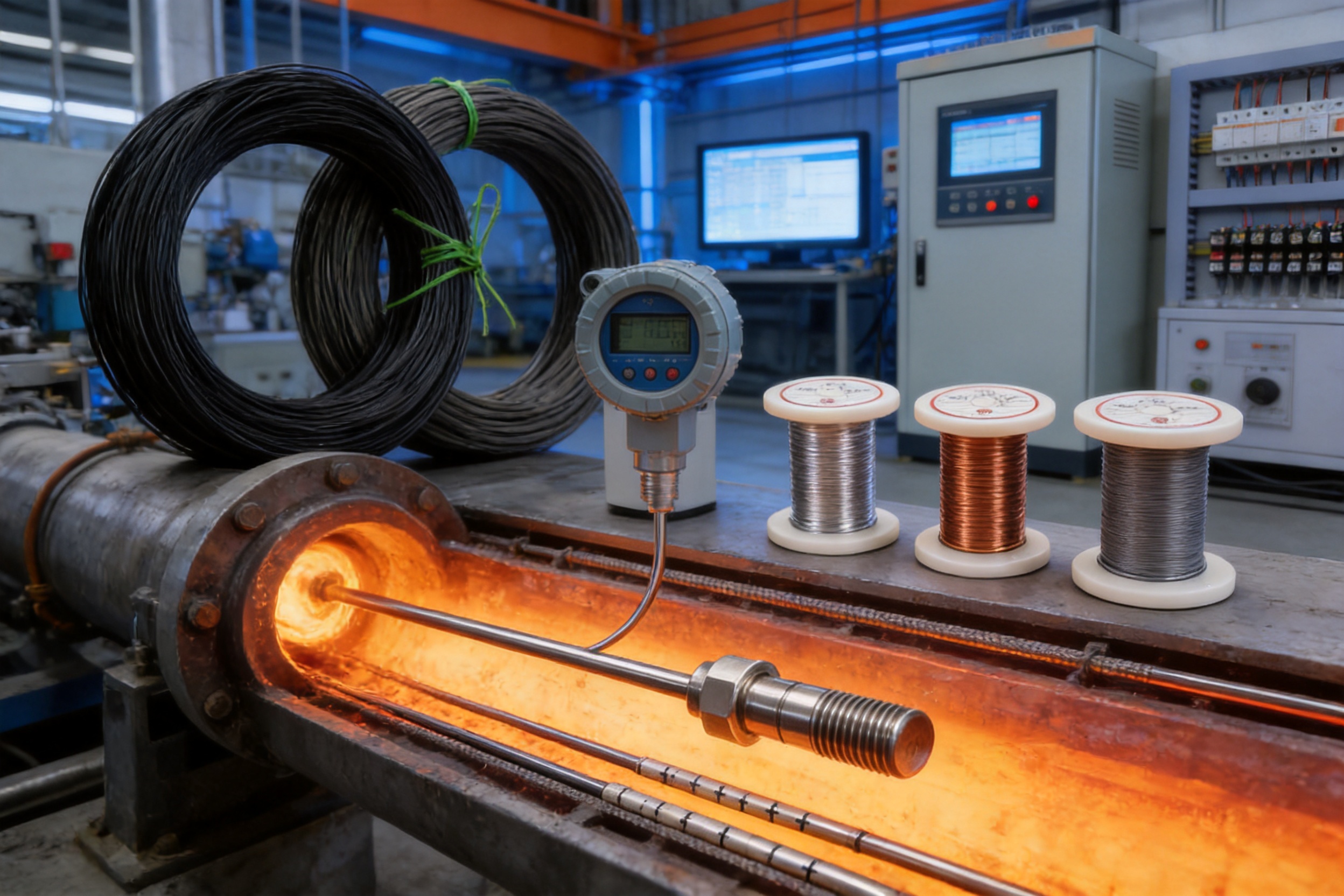
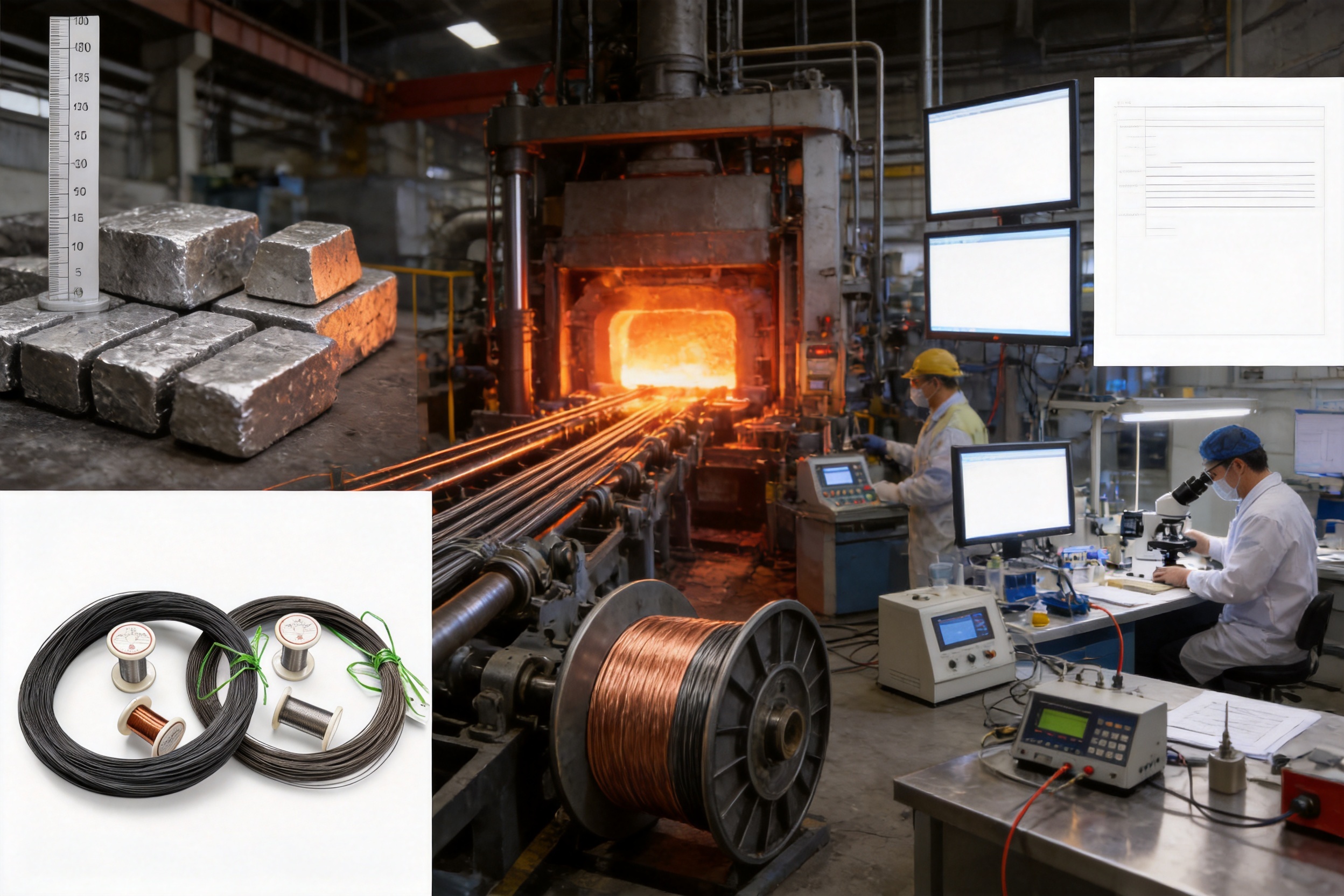
Manufacturing begins with the selection and preparation of metallic raw materials. Nickel, chromium, silicon, copper, iron, and other elements must be sourced and proportioned according to the target alloy formulation. Raw material identity and quality have a direct effect on thermoelectric performance, oxidation resistance, mechanical properties, and processing stability.
Materials are inspected before entering production. Verification may include appearance checks, dimensional checks, supplier documentation review, composition confirmation, and batch identification. Controlled storage helps prevent contamination, moisture exposure, and mixing of different grades.
After preparation, the constituent materials are proportioned according to the required alloy system. Precise weighing and controlled batching are essential because small changes in composition can influence the generated thermoelectric voltage. The company’s integrated alloy manufacturing capability supports closer control of this stage.
Melting and alloying are performed using appropriate industrial equipment and controlled process parameters. Temperature, holding time, atmosphere, feeding sequence, and mixing behavior can all affect the uniformity of the final alloy. The objective is to obtain a homogeneous material with stable properties throughout the batch.
Once the alloy has been formed, it is processed into suitable intermediate shapes such as ingots, rods, or wire blanks. Drawing and reduction operations then bring the material to the required diameter or cross-sectional area. Controlled deformation improves dimensional consistency and produces the mechanical form needed for cable manufacturing.
Wire drawing requires careful control of die condition, reduction rate, lubrication, tension, and surface cleanliness. Excessive deformation may cause embrittlement or surface damage, while insufficient control can create variation in diameter and resistance. Intermediate annealing may be used when necessary to restore ductility and support further processing.
Uniform wire dimensions are particularly important for fine instrument conductors. Variation can make stripping, crimping, welding, twisting, and cable assembly more difficult. It can also cause changes in resistance and mechanical behavior along the length of the product.
Heat treatment may be applied to balance flexibility, strength, stress relief, and microstructural stability. The correct thermal cycle depends on the alloy type and the desired final condition. Controlled heating and cooling help reduce residual stress from drawing and support consistent processing during later cable fabrication.
For thermoelectric materials, heat treatment must be managed carefully. Excessive or uncontrolled thermal exposure may alter the alloy’s thermoelectric response or accelerate oxidation. Production parameters are therefore selected to provide the required mechanical condition without compromising signal performance.
A clean, uniform surface improves contact quality and supports reliable joining. Depending on the product specification, surface preparation may include cleaning, removal of drawing residue, inspection for scratches, and controlled treatment to improve handling or corrosion resistance.
Surface quality is important at terminals and welded joints. Oxides, contamination, cracks, or peeling can increase contact resistance and create intermittent signals. Inspection during and after wire processing helps identify defects before the material is converted into cable.
Quality control continues throughout the production process rather than being limited to final inspection. Typical checks may include chemical composition, wire diameter, surface condition, tensile behavior, elongation, electrical resistance, thermoelectric electromotive force, polarity identification, and appearance.
Thermoelectric testing is especially important because conventional electrical tests cannot confirm whether a conductor is suitable for a particular thermocouple type. The wire must be evaluated against the relevant reference values and tolerance requirements.
Batch records and product identification support traceability. If a customer requires a specific grade, size, accuracy class, or documentation package, the manufacturing and inspection records can be associated with the relevant production batch.
Xinguo Group combines several related industrial capabilities, including temperature instrument manufacturing, alloy production, cable manufacturing, and precious metal materials. This structure provides a technical foundation for producing thermocouple compensating alloy wire and related temperature measurement products.
Many suppliers in the market specialize in only one stage of the supply chain. They may purchase alloy wire from an outside source, assemble cable, and sell the finished product under a general specification. An integrated manufacturer can coordinate alloy composition, wire processing, cable construction, terminal compatibility, and instrument application more effectively.
The group operates from a substantial industrial base in Tianchang City, Anhui Province, China. Its facilities cover more than 150 mu of land, with a construction area of approximately 60,000 square meters. The organization employs nearly 300 people, including professional technicians, senior technical experts, engineers, and assistant engineers.
This combination of production scale and technical personnel supports continuous improvement in materials, processing equipment, inspection methods, and application support. It also helps the manufacturer respond to different customer requirements, including project-specific conductor sizes, cable constructions, accuracy classes, packaging formats, and documentation.
The company has obtained ISO9001 quality management, ISO14001 environmental management, and GB/T28001 occupational health and safety management system certifications. These systems provide a framework for documented procedures, controlled production, environmental responsibility, workplace safety, corrective actions, and ongoing process improvement.
Products are developed and manufactured with reference to IEC international standards as well as relevant national and industrial specifications. Compliance with recognized technical requirements is important for international customers who must meet plant standards, procurement rules, inspection procedures, and market access requirements.
Thermocouple compensating alloy wire is widely used in power generation facilities. Boilers, steam turbines, generator sets, reheaters, superheaters, feedwater systems, and auxiliary equipment all contain temperature measurement points. These points may be distributed over large areas, requiring long cable routes between sensors and control rooms.
Stable signal transmission supports boiler combustion control, steam temperature regulation, bearing monitoring, exhaust temperature measurement, and equipment protection. In a thermal power plant, a small error may influence fuel consumption, efficiency, emissions, or the safe operating margin of critical equipment.
Power plants also contain high electrical noise environments. Motors, generators, switching devices, and large cable systems can interfere with low-level sensor circuits. The alloy conductor must therefore be installed as part of a properly designed thermocouple cable, with suitable shielding, routing, grounding, and separation from power cables.
Refineries, chemical plants, and petrochemical facilities use temperature signals throughout distillation units, reactors, storage tanks, pipelines, heat exchangers, furnaces, and utility systems. Temperature influences reaction speed, product composition, pressure, viscosity, evaporation, and safety.
In these facilities, cable materials may encounter oil vapors, solvents, acidic gases, alkaline substances, moisture, and high ambient temperatures. Alloy wire with corrosion resistance and stable thermoelectric characteristics contributes to reliable measurement when combined with suitable insulation, shielding, conduit, and sealing systems.
For hazardous areas, the complete instrument and cable installation must comply with the applicable explosion-protection and site safety requirements. The alloy wire itself is one part of the system and does not replace requirements for certified junction boxes, barriers, transmitters, glands, or installation procedures.
Steel and nonferrous metal plants operate many high-temperature processes. Blast furnaces, converters, ladles, annealing furnaces, reheating furnaces, heat treatment lines, rolling mills, and continuous casting systems all depend on accurate temperature information.
Thermocouples may be installed close to radiant heat, molten metal, dust, mechanical vibration, and rapidly changing temperatures. Although the compensating wire is normally routed away from the hottest point, the cable path may still pass through demanding industrial zones. Appropriate alloy selection and protection are therefore essential.
Reliable temperature signals help operators control furnace profiles, monitor refractory conditions, optimize heating cycles, reduce energy waste, and maintain metallurgical quality. In continuous casting, temperature data can also support stable process conditions and reduce the risk of defects.
Cement rotary kilns, preheaters, kiln inlets, kiln ends, coolers, dryers, and other industrial kilns require continuous temperature monitoring. The process includes high-temperature combustion, abrasive dust, vibration, and significant thermal cycling.
Compensating alloy wire helps transmit signals from thermocouples installed at multiple points around the kiln and material handling system. Correct cable selection and careful routing support dependable monitoring of flame conditions, gas temperatures, material temperatures, and equipment surfaces.
Stable measurements can improve fuel control, clinker quality, refractory protection, and maintenance planning. Because cement plants often contain long cable runs and extensive electrical equipment, low-resistance options and good installation practices should be considered during system design.
Machinery manufacturers use thermocouple systems in forging equipment, casting equipment, welding machines, industrial ovens, drying chambers, mold temperature systems, and heat treatment lines. In these applications, temperature uniformity often determines mechanical properties, dimensional stability, surface finish, and production repeatability.
Heat treatment furnaces may require several sensors connected to a central controller or recorder. The compensating wire must be matched to the thermocouple type and rated for the temperature conditions along the cable path. Flexible cable construction is useful where doors, moving assemblies, or machine vibration are present.
In welding and casting equipment, electromagnetic interference and mechanical movement can affect signal reliability. Proper separation, shielding, strain relief, and secure connections should be used with the alloy wire to prevent intermittent readings.
Temperature measurement is also essential in central air-conditioning systems, industrial heat exchangers, cold-storage equipment, process ventilation, and building automation. These systems typically involve numerous sensors connected to controllers, remote input modules, and building management systems.
T-type and other suitable thermocouple circuits may be used for lower-temperature applications, while K-type systems are common in higher-temperature industrial equipment. Selection should be based on the actual sensor and instrument rather than on the general category of HVAC or automation.
In automated plants, temperature data may be collected by DCS, PLC, SCADA, or specialized acquisition modules. A stable alloy wire supports consistent data acquisition and reduces false alarms, unnecessary control actions, and maintenance calls.
Before installation, verify the thermocouple indexing designation, compensating wire type, instrument input type, polarity, accuracy class, and required temperature range. A K-type sensor must use the appropriate K-family conductor, while an E-type sensor requires EX wire, a J-type sensor requires JX wire, and so on.
Do not rely only on insulation color because color standards may vary between regions, manufacturers, and cable constructions. Confirm the marking printed on the cable, the purchase specification, and the instrument documentation.
Connect the positive conductor to the positive thermocouple terminal and the positive instrument terminal. Connect the negative conductor to the corresponding negative terminals. Reversing the conductors can cause the thermoelectric voltage to be subtracted or reversed, producing an abnormally low, fluctuating, or misleading temperature reading.
Polarity should be checked at both ends before the cable is placed into service. For long installations, labeling both ends and documenting the cable route can prevent errors during future maintenance.
The alloy wire should be connected firmly to the thermocouple cold end and to the temperature instrument, transmitter, or acquisition module. Suitable methods include crimping, welding, or using specialized thermocouple terminals. The connection must provide good electrical and thermoelectric continuity.
Loose screws, poorly crimped lugs, contaminated surfaces, and incompatible metal terminals can produce unstable readings. Connections should be protected from moisture, vibration, accidental pulling, and excessive heat.
Compensating alloy wire is generally intended for ambient operating temperatures up to approximately 200°C, depending on the exact product construction and insulation system. The allowable temperature of the complete cable may be lower than the maximum temperature of the bare alloy conductor.
When the ambient temperature exceeds the permitted limit, oxidation, thermoelectric drift, insulation aging, embrittlement, and direct failure may occur. Cable routes should be moved away from radiant heat, hot surfaces, steam leaks, corrosive chemicals, and areas with excessive mechanical stress whenever possible.
Thermocouple circuits should be routed separately from high-current power cables, variable-frequency drive cables, welding circuits, and other strong electromagnetic noise sources. If crossing is unavoidable, signal and power cables should generally cross at an appropriate angle and maintain practical separation.
Shielding, grounding, twisted-pair construction, conduit, and signal conditioners may be required for difficult environments. These measures should be designed for the entire measurement system rather than applied as an afterthought.
Regular inspection can identify problems before they affect production. Operators and maintenance personnel should check cable markings, terminal tightness, visible oxidation, insulation condition, mechanical damage, moisture ingress, and evidence of overheating.
Slight surface oxidation does not necessarily prevent continued service, provided that the wire remains mechanically sound and the connection is stable. However, serious blackening, embrittlement, peeling, cracking, or powdery surface deposits indicate that the material may no longer provide reliable contact or thermoelectric performance.
If a temperature display is unexpectedly low, unstable, or inconsistent with a reference thermometer, the troubleshooting sequence should include sensor verification, polarity verification, continuity testing, terminal inspection, instrument configuration, and cable type confirmation.
A continuity test alone is not sufficient to confirm correct thermocouple operation. A cable can show continuity while containing the wrong alloy type, reversed polarity, incorrect junctions, or excessive thermoelectric deviation. When necessary, the cable should be tested using a calibrated temperature source or a suitable thermocouple verification method.
Replacement is recommended when the alloy wire has suffered severe oxidation, repeated overheating, visible mechanical damage, unstable readings, or insulation failure. Replacing only one conductor with a different alloy or mixing compensating wire types can create new measurement errors.
Competition in the compensating wire market often centers on price, delivery, material consistency, technical documentation, and customization. A low-cost product may be acceptable for a simple, short, low-temperature application, but demanding industrial projects require a broader evaluation.
The product offered by Xinguo Group has several competitive strengths. First, the company has its own alloy manufacturing capability rather than relying exclusively on externally purchased conductor material. This supports closer control over composition and batch consistency.
Second, the group also manufactures cables and temperature instruments. This application knowledge helps connect raw material performance with real-world thermocouple circuits. It allows technical discussions to include not only wire diameter but also sensor type, cable construction, instrument interface, accuracy, insulation, and environmental conditions.
Third, the company maintains a substantial engineering and technical workforce. Professional technicians, senior experts, and engineers contribute to product development, process optimization, quality analysis, and customer support. This is valuable for projects that require customized sizes, special cable structures, high-temperature solutions, or documentation for international procurement.
Fourth, the group operates under quality, environmental, and occupational health and safety management systems. Documented management processes help reduce variation and support more consistent production than informal workshop-based manufacturing.
Fifth, the product range covers multiple thermocouple families and conductor sizes. Customers can source related temperature measurement materials from one industrial supplier instead of coordinating several vendors with different technical practices.
Finally, the manufacturer’s experience in temperature instruments, alloy materials, cables, pressure instruments, flow meters, level instruments, and related industrial products provides a broader understanding of process measurement. This can be beneficial when the compensating wire is part of a larger instrumentation package.
Different projects may require different wire sizes, conductor combinations, insulation materials, shielding structures, pair or multi-pair configurations, outer jackets, spool lengths, or marking methods. A suitable manufacturer should review the complete application before confirming a specification.
Important information for a technical inquiry includes thermocouple type, conductor designation, accuracy class, cross-sectional area, cable length, operating temperature, installation environment, required insulation, shielding requirement, connection method, delivery format, and applicable standard.
Customers should also identify whether they need bare alloy wire, twisted compensating conductors, insulated single wire, a complete thermocouple compensating cable, or a finished cable assembly with terminals. These are related products but are not identical.
For export projects, documentation may include a product specification, inspection report, certificate of conformity, packing list, material information, resistance data, thermoelectric test data, and quality management documentation. Early confirmation of these requirements helps avoid delays during approval and site installation.
Fine alloy wire should be protected during transportation and storage. Moisture, dust, oil, corrosive vapors, impact, and uncontrolled bending can damage the surface or affect subsequent processing. Wire should remain in its original packaging until it is ready for use whenever practical.
Storage areas should be dry, clean, ventilated, and protected from direct sunlight and chemical exposure. Reels and coils should not be stacked in a manner that causes deformation. The minimum bending radius should be respected during handling, especially for small-diameter wire.
Before installation, the package label should be checked against the purchase order and engineering documentation. The thermocouple type, wire designation, size, batch information, and quantity should be verified. Mixing visually similar materials at a worksite should be avoided.
High-quality compensating alloy wire cannot compensate for an incorrectly selected thermocouple or poorly configured instrument. Reliable measurement is achieved through coordination of the sensor, alloy wire, cable insulation, terminals, transmitter, reference-junction compensation, grounding, shielding, and calibration.
The wire should be considered a precision functional component. It is not merely a mechanical connection between the sensor and the instrument. Its thermoelectric behavior contributes directly to the measurement result.
System designers should calculate the expected measurement uncertainty and consider the effects of cable length, ambient temperature, junction temperature, resistance, electromagnetic interference, calibration condition, and aging. For critical processes, spare cable and replacement procedures should be included in the maintenance plan.
When the complete system is specified correctly, the compensating alloy wire helps deliver repeatable temperature information over long distances and under harsh industrial conditions. This supports safer operation, better product consistency, lower energy use, and more effective predictive maintenance.
It is used to transmit thermocouple thermoelectric signals from the sensor cold end to temperature indicators, transmitters, controllers, data acquisition modules, or control systems. It also helps compensate for cold-end temperature errors when correctly matched to the thermocouple type.
No. K, E, J, T, N, S, and R systems use different alloy compositions and thermoelectric characteristics. Mixing types can produce serious temperature measurement errors. The compensating or extension wire must correspond to the thermocouple connected to the circuit.
No. It is designed for thermoelectric signal transmission. Its electrical conductivity and current-carrying capacity differ from those of ordinary power wire. It should be used only in temperature signal circuits and must not be used to supply power to heaters, motors, valves, or other loads.
Reversing polarity can cause the thermoelectric voltage to be subtracted or reversed. The instrument may display an abnormally low temperature, a fluctuating value, or another incorrect result. Always verify polarity markings at the thermocouple and instrument terminals.
The product information identifies a usual allowable operating temperature of approximately 200°C, but the actual limit depends on the alloy, insulation, cable structure, and installation conditions. The complete cable rating must be confirmed before use.
Slight oxidation may not immediately prevent use if the wire remains flexible, clean at the connection point, and electrically stable. Severe blackening, embrittlement, peeling, cracking, or unstable contact indicates that replacement is advisable.
One end should be connected firmly to the thermocouple cold end and the other to the temperature instrument, transmitter, or acquisition module. Crimping, welding, and specialized thermocouple terminals may be used, provided that the connection is secure and compatible with the circuit.
Selection depends on cable length, total loop resistance, mechanical strength, available terminals, installation space, temperature, and the input requirements of the connected instrument. Common related sizes include 0.2 mm², 0.5 mm², 1.0 mm², 1.5 mm², and 2.5 mm².
Low and stable resistance supports reliable signal transmission, particularly over long cable runs. The total circuit resistance must remain within the allowable range of the transmitter or instrument. Resistance also changes with temperature, so the installation environment should be considered.
No. Shielding can help reduce electromagnetic interference, but it cannot correct the error caused by using the wrong thermocouple wire type. Alloy compatibility, polarity, connection quality, shielding, routing, and instrument configuration are all necessary for reliable measurement.
Customers should provide the thermocouple type, compensating wire designation, conductor size, accuracy class, length, temperature rating, insulation requirement, shielding requirement, cable construction, packaging, quantity, applicable standard, and required inspection documents.
Thermocouple compensating wire alloy wire is a specialized material that plays a decisive role in industrial temperature measurement. By combining controlled alloy composition, stable thermoelectric performance, oxidation resistance, corrosion resistance, flexibility, weldability, and dependable resistance characteristics, it helps transmit accurate signals from remote thermocouples to modern instrumentation systems.
Its value is greatest in applications where temperature directly affects safety, energy efficiency, product quality, or equipment life. Power generation, petrochemical processing, metallurgy, cement production, machinery manufacturing, HVAC, and automation systems all benefit from correctly selected and properly installed compensating wire.
The main advantage over ordinary electrical wire and uncontrolled low-cost alternatives is functional compatibility. The product is engineered for thermoelectric measurement rather than general current transmission. Matching the wire to the thermocouple type, maintaining polarity, selecting the correct size, protecting the cable from excessive temperature, and making secure connections are essential steps.
Xinguo Group Co., Ltd. strengthens this product through integrated alloy, cable, instrument, and materials manufacturing capabilities. Its production facilities, technical personnel, quality management systems, inspection procedures, and international standards orientation provide a solid foundation for consistent supply and project support.
For customers seeking reliable thermocouple materials, the correct purchasing decision should consider more than price. Alloy consistency, EMF tolerance, resistance, durability, traceability, technical support, documentation, and long-term application performance are all important. When these factors are controlled, thermocouple compensating alloy wire becomes a dependable foundation for accurate industrial temperature measurement and stable process control.
International Electrotechnical Commission, Thermocouples and Thermoelectric Reference Tables, applicable IEC technical requirements.
International Electrotechnical Commission, Temperature Measurement and Industrial Instrumentation Standards, relevant editions.
National and industrial specifications for thermocouple compensating and extension cables.
Thermocouple Manufacturer Technical Data, Thermoelectric EMF and Tolerance Information.
Industrial Instrumentation Engineering Principles, temperature sensor installation, signal transmission, and reference-junction compensation.
Quality Management System Documentation, ISO9001-based manufacturing and inspection practices.
Environmental Management System Documentation, ISO14001-based production and environmental control practices.
Occupational Health and Safety Management System Documentation, GB/T28001-based manufacturing safety practices.



 INQUIRY
 English
 عربى
 русский
 中文简体