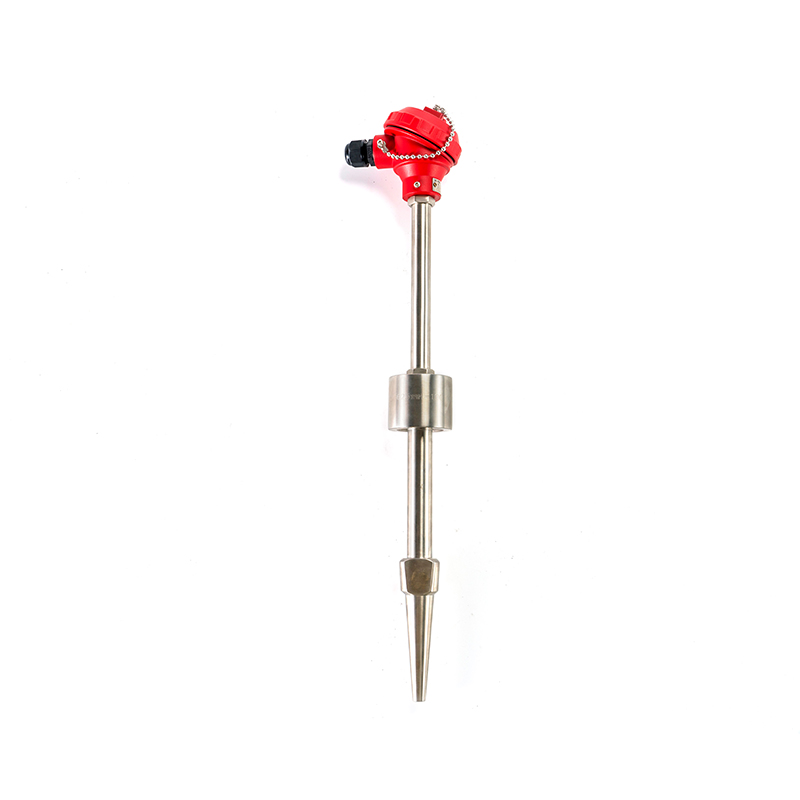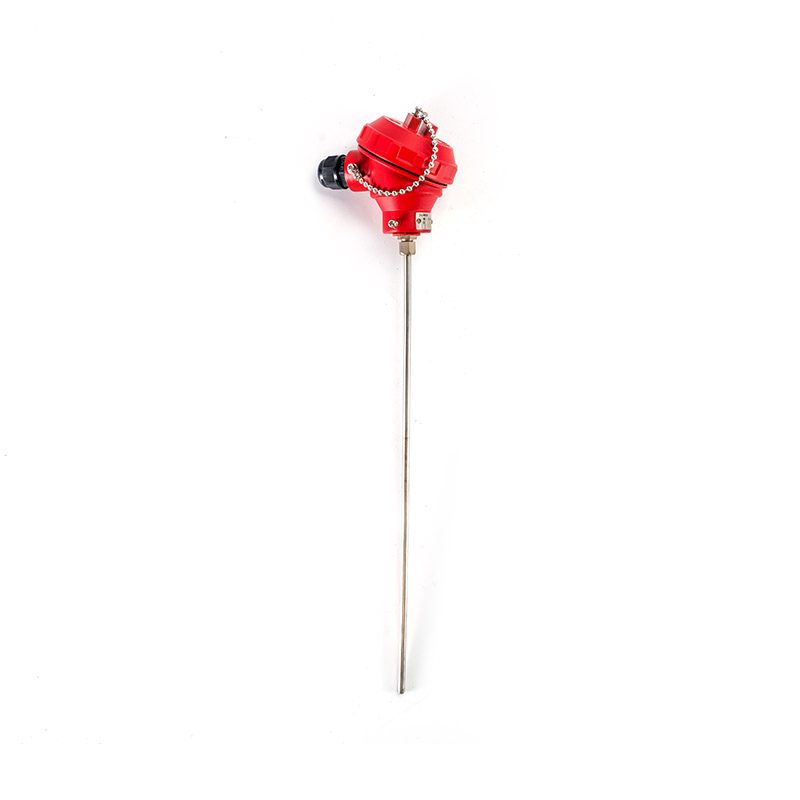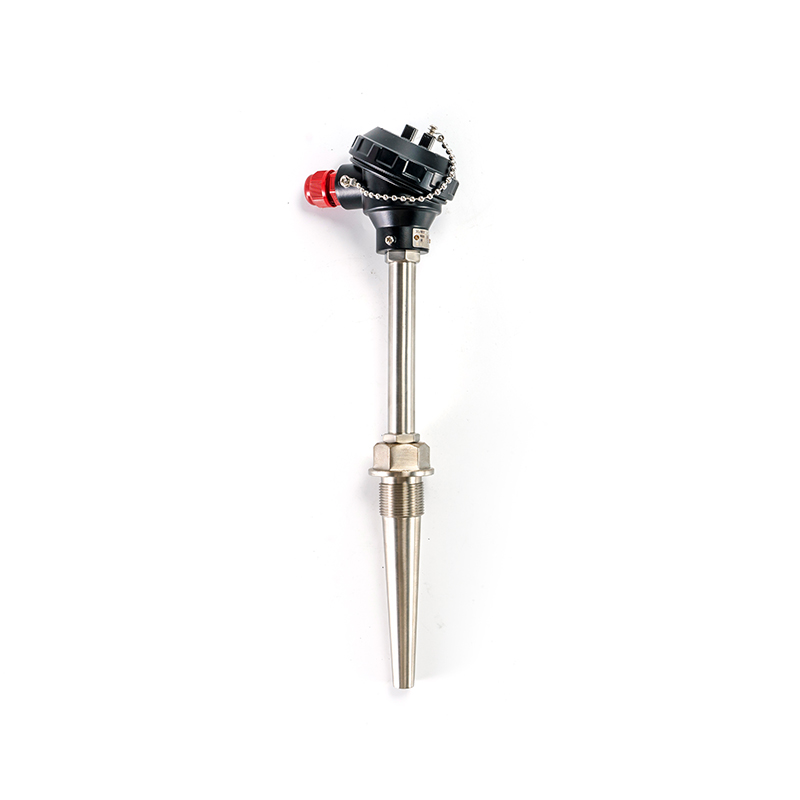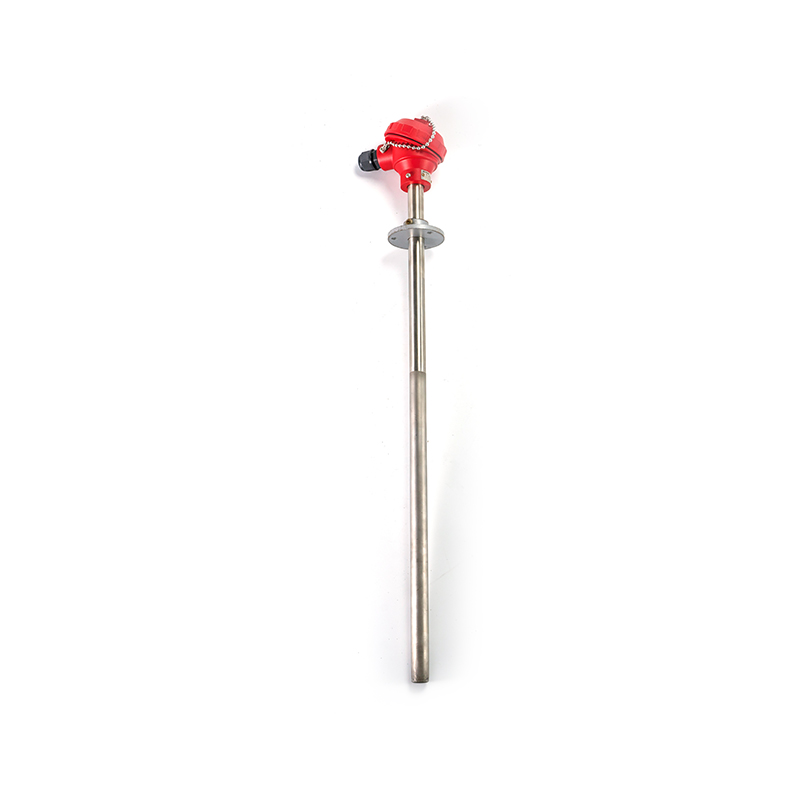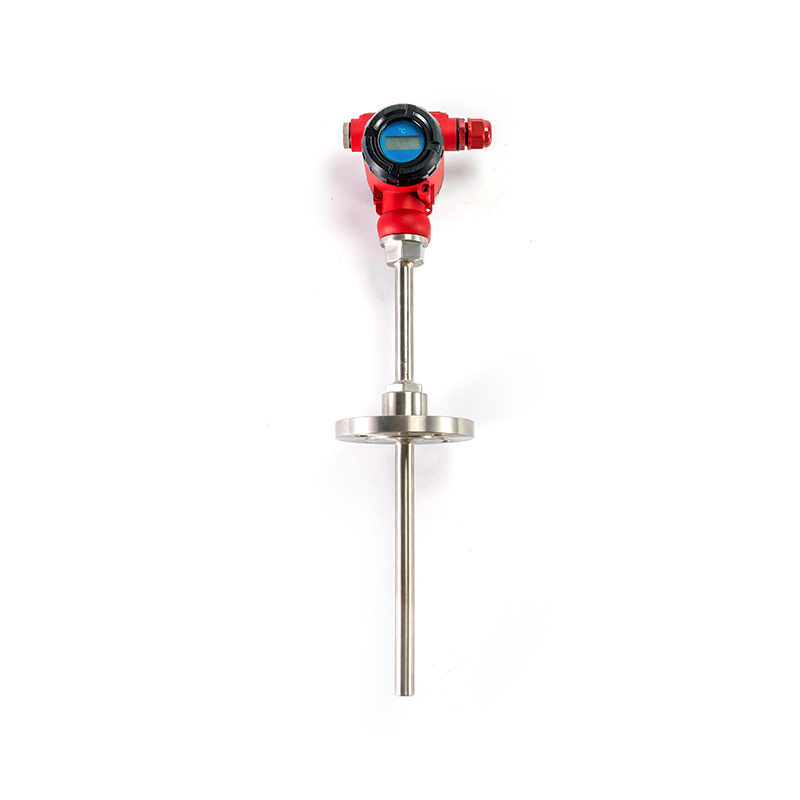
Temperature measurement becomes significantly more difficult when a sensor must operate in contact with moisture, chemicals, acidic solutions, alkaline water, industrial fluids, or construction-related materials. In these conditions, a conventional resistance temperature detector may suffer from surface degradation, contamination, mechanical damage, unstable readings, and shortened service life. The Anti-Corrosive RTD is designed to address these challenges by combining the accuracy of RTD technology with materials and construction methods selected for resistance to corrosive environments.
An RTD, or resistance temperature detector, measures temperature through the predictable change in electrical resistance of a sensing element. Because the relationship between resistance and temperature is stable and repeatable, RTDs are widely used where measurement accuracy, repeatability, and long-term process stability are important. However, the sensing element, sheath, protective coating, connection structure, and mounting accessories must all be properly matched to the application. If a sensor is exposed to an unsuitable chemical medium, even a highly accurate RTD can fail prematurely.
The Anti-Corrosive RTD is therefore not simply a standard temperature probe with a protective layer. It is a specialized temperature instrument configured according to the corrosive medium, operating temperature, installation condition, mechanical requirements, and expected service life. Depending on the application, available material options may include aluminum, zinc, corrosion-resistant alloys, and other materials suitable for acidic or alkaline water. This material-selection approach allows the sensor to be adapted to different industrial environments instead of relying on one universal construction.
Manufactured by Xinguo Group Co., Ltd., the Anti-Corrosive RTD is intended for industrial applications requiring reliable temperature information under challenging environmental conditions. It can be connected to display instruments, recorders, transmitters, control systems, and other standard temperature measurement equipment. Its applications include water treatment, chemical processing, industrial piping, construction environments, process equipment, and systems handling corrosive water or chemical fluids.
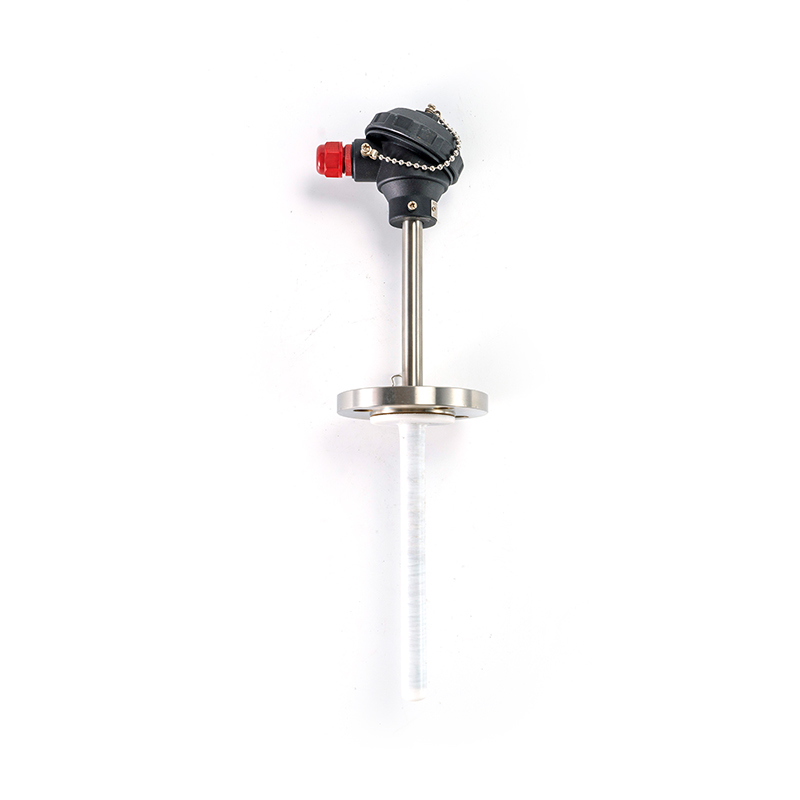
Anti-corrsive RTD
Temperature is one of the most important variables in industrial process control. It affects chemical reaction rates, fluid viscosity, pressure, material strength, equipment efficiency, energy consumption, and product quality. A temperature sensor must therefore deliver dependable information throughout the operating cycle, even when the surrounding environment is aggressive.
Corrosion creates several problems for temperature measurement. A corrosive medium can attack the sensor sheath or protective housing, penetrate connection points, damage insulation, and alter the physical characteristics of the sensing assembly. Deposits may accumulate on the surface and create thermal resistance between the process medium and the sensing element. In some cases, corrosion can cause leakage, structural failure, electrical insulation problems, or inaccurate measurement.
Standard stainless-steel sensors may be suitable for many general industrial applications, but material compatibility cannot be assumed for every chemical or water treatment process. Acidic water, alkaline water, salt-containing fluids, construction chemicals, cleaning solutions, and mixed industrial liquids may have very different corrosion mechanisms. Concentration, temperature, flow rate, pressure, and exposure time also influence the rate of attack.
The Anti-Corrosive RTD addresses this issue through application-specific material selection. The purpose is to select a sensor construction that provides an appropriate balance of corrosion resistance, thermal response, mechanical strength, electrical insulation, manufacturability, and cost. This approach can offer better reliability than using a general-purpose sensor in an environment for which it was never designed.
An RTD operates by measuring the electrical resistance of a sensing element. As temperature changes, the resistance changes according to the characteristics of the element material. The measurement instrument converts this resistance value into a temperature reading. Common RTD configurations include two-wire, three-wire, and four-wire circuits.
A two-wire configuration is simple and economical, but the resistance of the lead wires can introduce measurement error, especially when the sensor cable is long. A three-wire configuration compensates for much of the lead resistance and is widely used in industrial systems. A four-wire configuration provides the highest measurement accuracy because it separates the current and voltage circuits, reducing the influence of lead resistance.
Although the sensing principle is electrical, the reliability of the complete instrument depends heavily on the mechanical and material design. The sensing element must be protected from direct chemical attack while remaining thermally responsive. The protective structure must withstand the pressure, flow, vibration, and installation forces present at the measurement point. Electrical connections must remain stable and insulated throughout the expected operating life.
Corrosion resistance is not only a durability requirement. It is also an accuracy requirement. When corrosion changes the shape, surface condition, or thermal properties of the protective sheath, the heat-transfer relationship between the process and the sensing element can change. This may increase response time or create a measurement offset.
Corrosion can also affect the electrical circuit. Moisture entering the connection area may reduce insulation resistance or create unstable electrical paths. Deposits and chemical residues may cause intermittent signals. A sensor that continues to provide a reading despite internal deterioration may be more dangerous than a sensor that fails visibly, because operators may continue to rely on inaccurate data.
By selecting materials according to the process medium and applying suitable manufacturing and inspection procedures, the Anti-Corrosive RTD is designed to preserve both physical integrity and measurement reliability.
The most important feature of an anti-corrosive temperature sensor is the relationship between its material construction and the medium in which it operates. The correct material depends on the chemical composition of the fluid, its concentration, temperature, pressure, velocity, and the duration of exposure.
The Anti-Corrosive RTD can be produced using aluminum, zinc, corrosion-resistant alloys, and other suitable materials according to the customer’s requirements. The available material choice is not limited to a single standard configuration. Instead, the sensor can be adapted to conditions involving acidic water, alkaline water, construction materials, industrial fluids, and other corrosive media.
Aluminum is valued for its relatively low weight, good thermal conductivity, and suitability for selected industrial environments. Its low density can be advantageous where the sensor must be handled frequently or installed on equipment with limited mechanical support. Aluminum may also provide useful thermal response characteristics in applications where rapid heat transfer is important.
However, aluminum is not universally compatible with every chemical. Its use must be evaluated according to the medium, concentration, temperature, and surface condition. When selected appropriately, aluminum-based construction can provide a practical combination of lightweight design, thermal performance, and corrosion protection.
Zinc may be used in applications where its material properties are compatible with the surrounding environment. It is particularly relevant to certain construction-related and industrial applications. As with aluminum, the suitability of zinc depends on the chemistry of the process medium and the expected operating conditions.
Material selection should consider not only general corrosion resistance but also possible galvanic interaction with adjacent metals. If dissimilar metals are connected in the presence of an electrolyte, galvanic corrosion may occur. Proper engineering review of the sensor, fittings, mounting point, and surrounding equipment helps reduce this risk.
For more demanding applications, corrosion-resistant alloys may be selected for the protective sheath, process-contacting components, or other structural parts. These materials can provide improved resistance to chemical attack, mechanical wear, and high-temperature service, depending on their composition and treatment.
The appropriate alloy must be selected based on the actual service environment rather than on a general label such as “acid resistant” or “industrial grade.” Different acids, alkalis, salts, oxidizing agents, and organic chemicals can affect alloys in different ways. Xinguo Group’s ability to provide special and general corrosion-resistant materials allows the sensor construction to be matched more closely to the customer’s process.
Acidic and alkaline water are common sources of corrosion in water treatment, construction, chemical processing, and industrial utility systems. Their corrosive behavior can vary substantially according to pH, dissolved solids, temperature, flow conditions, and contaminants.
A sensor installed in acidic water may require a material with resistance to acid attack and suitable protection at joints and connection points. A sensor installed in alkaline water may require a different construction. The Anti-Corrosive RTD can be specified according to the particular water chemistry rather than being treated as a one-size-fits-all device.
| Application Condition | Primary Design Consideration | Recommended Engineering Approach |
|---|---|---|
| Acidic water | Resistance to acid attack and surface degradation | Evaluate concentration, temperature, exposure time, and select compatible materials |
| Alkaline water | Resistance to alkaline corrosion and deposits | Confirm pH range, fluid velocity, deposits, and connection protection |
| Construction environment | Moisture, dust, chemical exposure, and mechanical impact | Use a robust housing, suitable fittings, and appropriate protective materials |
| Chemical processing | Continuous exposure to aggressive process media | Match wetted materials to the complete chemical composition and operating temperature |
| Industrial piping | Pressure, vibration, flow velocity, and installation strain | Use secure mounting, correct insertion depth, and mechanically suitable accessories |
The Anti-Corrosive RTD provides several advantages over general-purpose temperature sensors when corrosive exposure is part of the operating environment. These advantages are based on the complete design approach, including material selection, sensor construction, manufacturing control, and application support.
A sensor made from materials compatible with the process medium is less likely to suffer rapid surface deterioration, cracking, or loss of structural integrity. This can extend service life and reduce the frequency of replacement. Longer service potential is especially valuable in systems where access is difficult, shutdowns are expensive, or the sensor is installed in a large process line.
It is important to understand that no material is resistant to every chemical under every condition. The advantage of the Anti-Corrosive RTD is that the material can be selected for the actual environment. This is more reliable than installing an ordinary sensor and hoping that its standard sheath will withstand the process.
Corrosion-resistant construction helps the sensor maintain a stable thermal and electrical relationship with the process. When the protective structure remains intact, heat transfer remains more predictable and the sensing element is less likely to be affected by contamination or moisture penetration.
Stable measurement supports better process control. Operators can make decisions based on trustworthy temperature data, while automatic control systems can regulate heating, cooling, mixing, flow, or chemical dosing more effectively.
Maintenance requirements are influenced by the process conditions and the quality of installation. A properly selected anti-corrosive sensor generally requires less frequent repair or replacement than a sensor exposed beyond its material limits. Periodic inspection remains necessary, but the interval between maintenance actions may be improved.
Reduced maintenance can lower labor costs, spare-parts consumption, and production interruptions. It can also improve workplace safety by reducing the need for personnel to enter areas containing corrosive fluids or operate near pressurized equipment.
Different systems require different installation methods. The sensor may be mounted in a tank, inserted into a pipe, installed through a threaded connection, or placed in contact with a process surface. The Anti-Corrosive RTD can be configured according to the measurement point, required insertion depth, connection arrangement, material requirements, and instrument interface.
This flexibility makes the product suitable for both standard industrial applications and customized projects. It also allows engineers to consider the complete installation rather than selecting a sensor based only on nominal temperature range.
The Anti-Corrosive RTD can be connected to compatible display units, recorders, process controllers, data acquisition systems, and other standard temperature measurement instruments. This allows users to integrate the sensor into existing control architectures without replacing the entire measurement system.
When specifying a sensor, the user should confirm the RTD type, nominal resistance, wiring configuration, accuracy requirement, cable type, connector arrangement, and input requirements of the receiving instrument. Proper matching ensures that the corrosion-resistant construction is supported by an appropriate measurement circuit.
Construction and infrastructure environments often involve moisture, concrete-related chemicals, treated water, coatings, cleaning agents, dust, vibration, and temporary or permanent exposure to outdoor conditions. A general-purpose sensor may not be suitable for all these factors.
The Anti-Corrosive RTD is designed with corrosion prevention requirements in mind. Its material options and robust construction can support temperature monitoring in building systems, water circulation equipment, construction material processes, industrial piping, and related infrastructure applications.
Water treatment plants use temperature data to monitor biological processes, chemical dosing, disinfection, filtration, sludge treatment, and equipment operation. Water chemistry can vary widely from one stage of the process to another. Sensors may be exposed to acidic or alkaline fluids, dissolved salts, cleaning chemicals, and suspended particles.
An Anti-Corrosive RTD can be applied at selected monitoring points where standard temperature sensors may suffer from accelerated deterioration. Material selection should consider the water treatment chemical program, cleaning cycle, fluid temperature, and installation position.
Reliable temperature measurement helps operators maintain consistent treatment conditions. It can also provide an early indication of abnormal process behavior, such as unexpected heating, cooling failure, chemical reaction changes, or equipment malfunction.
Chemical processing equipment requires careful consideration of material compatibility. A sensor may be exposed to a raw material, intermediate product, cleaning fluid, vapor, or combined chemical mixture. Corrosive conditions can change as the process moves through different stages.
The Anti-Corrosive RTD can be specified for a particular process point after reviewing the chemical composition and operating conditions. The protective structure, insertion length, connection method, and sealing arrangement should all be selected to prevent unwanted exposure of vulnerable components.
In chemical processes, temperature measurement often supports reaction control, product consistency, energy management, and safety. A sensor failure may cause inaccurate control or require a process shutdown. Corrosion-resistant design can therefore contribute to operational continuity.
Construction-related systems may involve cement mixtures, treated water, coatings, curing systems, chemical additives, and outdoor exposure. Temperature affects curing behavior, material strength, drying rates, and equipment operation. Moisture and chemical contact can accelerate corrosion of inadequately protected instruments.
The Anti-Corrosive RTD can be used in temperature monitoring systems associated with building materials, water circulation, industrial construction equipment, and infrastructure projects. Its material flexibility allows engineers to account for the specific substances present at the worksite or production facility.
Industrial piping systems require sensors that can withstand process flow, vibration, pressure, and mechanical forces. A sensor inserted into a pipe must be mounted securely, positioned correctly, and protected from excessive strain. The flow velocity and turbulence may also affect response time and mechanical loading.
In corrosive piping applications, the Anti-Corrosive RTD can help maintain temperature monitoring without exposing the sensor to unnecessary material risk. Correct fittings and installation accessories are essential. The sensor should be positioned where it represents the process temperature while avoiding dead zones, excessive vibration, or direct impact from particles.
Industrial utility systems may use cooling water, heating water, recycled water, or chemically treated water. Even when these fluids appear relatively mild, long-term exposure, elevated temperature, and dissolved minerals can produce corrosion or deposits.
An appropriately selected Anti-Corrosive RTD can provide reliable monitoring in heat exchangers, water circulation loops, storage tanks, treatment units, and related equipment. Temperature data can help identify heat-transfer deterioration, pump problems, flow restrictions, and abnormal operating conditions.
The performance of a corrosion-resistant temperature sensor depends on more than the choice of raw material. Manufacturing accuracy, process discipline, inspection, calibration, and traceability are all important. Xinguo Group Co., Ltd. combines instrument manufacturing with capabilities in alloy materials, cables, precious metals, and electrical accessories. This broader industrial foundation supports the production of temperature instruments and related components.
Xinguo Group consists of Anhui Xinguo Instrument Co., Ltd., Shenyang Oudi Instrument Manufacturing Co., Ltd., Anhui Xinguo Alloy Co., Ltd., Anhui Xinguo Cable Co., Ltd., and Anhui Xinguo Precious Metal Co., Ltd. The group structure provides access to expertise across temperature instruments, alloy materials, cable production, electrical components, and related industrial technologies.
For an Anti-Corrosive RTD, this integrated capability is valuable because the sensor depends on several connected elements. The sensing element, protective material, electrical leads, insulation, connector, and mounting accessories must work together. Experience in related material and cable manufacturing can support better control over the complete product system.
The group maintains research and development capabilities supported by professional technicians, senior technical experts, senior engineers, engineers, and assistant engineers. This technical team can contribute to product design, material evaluation, process improvement, customized configurations, and application support.
Research and development are particularly important for corrosion-resistant instruments because the correct design depends on the relationship between material properties and process conditions. Continuous improvement may involve developing new protective structures, improving connection reliability, refining material selection, or adapting the sensor to specific customer requirements.
Modern production equipment supports repeatable manufacturing and consistent product quality. In the production of an Anti-Corrosive RTD, suitable equipment may be used for material preparation, component forming, machining, assembly, welding or joining, insulation treatment, cable processing, sealing, calibration, and final inspection.
Production consistency is important because even a chemically suitable material can fail if the sensor has weak joints, poor sealing, damaged insulation, uneven protective layers, or dimensional errors. Controlled manufacturing processes reduce these risks and improve the uniformity of products supplied for industrial projects.
Inspection is carried out at different stages of manufacturing rather than only at final shipment. Incoming materials should be checked for specification and condition. During production, dimensions, assembly quality, electrical continuity, insulation, connection strength, and protective construction can be monitored. Final testing can include resistance verification, temperature calibration, appearance inspection, and documentation review.
Such inspection procedures help ensure that the sensor meets the required technical characteristics before it reaches the customer. They also support traceability and provide useful information for quality improvement.
Xinguo Group has obtained ISO9001 Quality Management System certification, ISO14001 Environmental Management System certification, and GB/T28001 Occupational Health and Safety Management System certification. These systems reflect an organized approach to quality, environmental responsibility, and workplace safety.
ISO9001 supports consistent processes, customer-focused quality management, corrective action, and continual improvement. ISO14001 encourages controlled environmental practices during manufacturing. GB/T28001 addresses occupational health and safety management. Together, these systems support responsible production and help create a structured foundation for industrial instrument manufacturing.
The company’s products comply with IEC international standards as well as applicable national and industrial specifications. Standards help define requirements for electrical performance, measurement behavior, materials, testing, safety, and product consistency.
Actual compliance requirements depend on the product configuration, market, application, and customer specification. Buyers should request the applicable technical documentation, inspection records, calibration information, and certification details for the specific Anti-Corrosive RTD model being ordered.
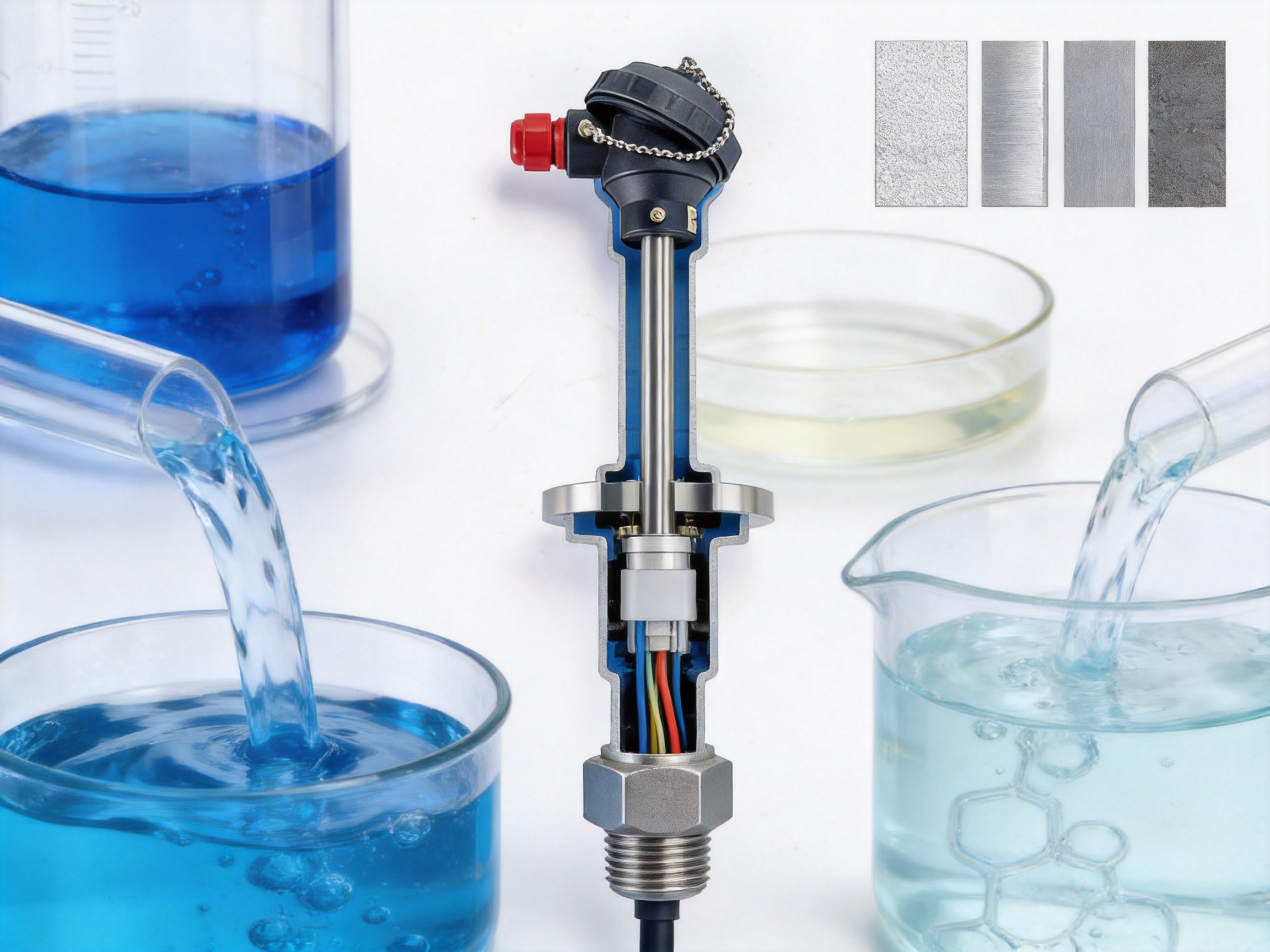
Correct selection is essential to achieving the full benefit of an anti-corrosive temperature sensor. The following factors should be reviewed before an order is placed.
Provide the complete name and composition of the medium whenever possible. General descriptions such as “chemical water” or “industrial liquid” may not be sufficient. Information about pH, dissolved salts, additives, oxidizing agents, suspended particles, and cleaning chemicals can influence material selection.
If the composition changes during operation, describe the full range of conditions. A sensor suitable for one production stage may not be suitable for another. The most severe expected condition should be considered during design review.
Specify the normal operating temperature, minimum and maximum temperature, heating and cooling rates, and any short-term temperature peaks. Temperature affects both the RTD measurement range and the corrosion behavior of the process medium.
Higher temperatures can accelerate chemical reactions and corrosion. They can also affect seals, cable insulation, coatings, and connection materials. A complete temperature specification helps ensure that all components, not only the sensing element, are suitable.
For pipe and vessel installations, provide the operating pressure, maximum pressure, flow rate, and expected turbulence. Mechanical loading caused by flow can damage a poorly supported probe. Pressure may also place additional demands on sealing and connection structures.
Where the process contains abrasive particles, the effect of erosion should also be considered. Corrosion and erosion may occur together and can reduce the service life of the protective structure more quickly than either mechanism alone.
Installation information should include pipe or tank dimensions, available mounting position, insertion length, thread or flange requirements, orientation, and access limitations. The sensing tip should be positioned in a representative part of the process and should not be shielded from the medium by deposits, stagnant zones, or unsuitable mounting geometry.
The sensor must be installed securely to prevent vibration, movement, or mechanical strain. If the probe is fully immersed, the connection area should remain protected from direct chemical exposure unless it is designed for that condition.
Specify the RTD type, nominal resistance, wiring configuration, cable length, and connection arrangement. Three-wire RTDs are common in industrial applications because they provide a practical balance between accuracy and cost. Four-wire configurations may be preferred for high-accuracy measurements, while two-wire configurations may be adequate for shorter leads or less demanding applications.
Confirm compatibility with the receiving instrument. A mismatch between sensor resistance characteristics and instrument input can cause incorrect readings even if the sensor is mechanically and chemically suitable.
Accuracy requirements should be based on the process and control objective. A laboratory-style accuracy level may not be necessary for every application, while a critical chemical process may require tighter control and calibration documentation.
Response time is affected by the sensing element, protective sheath, insertion depth, flow condition, and thermal properties of the process. A thicker protective structure may improve mechanical strength and corrosion protection but may also slow response. The design should balance durability and dynamic measurement requirements.
Inspect the sensor before installation. Check the protective surface, cable, connector, threads, flange, sealing components, and identification information. Do not install a sensor with visible cracks, deformation, damaged insulation, loose components, or contamination that could affect the connection.
Verify that the selected material matches the process medium. Confirm the temperature and pressure ratings, wiring configuration, and mounting accessories. Review the installation drawing or technical specification before placing the sensor into service.
Mount the RTD securely in the environment to be monitored. The sensing portion should be fully immersed or placed in proper thermal contact with the measured medium. Avoid excessive bending, twisting, or impact during installation.
Use suitable fittings to prevent mechanical strain. When installing in a pipe, make sure the probe does not obstruct the flow or contact the opposite wall. When installing in a tank, locate the sensor where it can measure the actual process temperature rather than a local hot or cold area.
Use a compatible seal, gasket, thread compound, or flange arrangement where required. The sealing material must be suitable for the process temperature and chemical environment. An incompatible seal can deteriorate even when the sensor material itself remains stable.
Protect the cable entry and electrical connection from water, chemicals, condensation, and mechanical damage. Cable routing should avoid sharp edges, excessive bending, heat sources, moving parts, and areas where chemical deposits may accumulate.
Connect the sensor leads to a compatible temperature indicator, recorder, transmitter, or control system according to the wiring diagram. Incorrect wiring may produce unstable readings, significant error, or an open-circuit indication.
For three-wire and four-wire systems, maintain the correct lead identification and terminal arrangement. If extension cable is required, use suitable cable materials and maintain the required electrical characteristics. Keep connections clean and dry during installation.
After installation, check electrical continuity and insulation where appropriate. Compare the initial temperature reading with an independent reference when practical. Allow the RTD to stabilize in the operating environment before using the measurement for control decisions.
During initial operation, observe the sensor for leakage, abnormal vibration, unstable readings, unexpected response delay, or signs of chemical attack. Early inspection can identify installation problems before they become serious equipment failures.
Although the Anti-Corrosive RTD is designed to reduce maintenance requirements, regular inspection remains important. The inspection interval should be based on the severity of the environment, criticality of the process, history of the installation, and manufacturer recommendations.
Inspect the exposed surface for discoloration, pitting, cracking, swelling, deposits, coating degradation, and mechanical damage. Check fittings and mounting points for looseness, leakage, vibration marks, or signs of stress.
Inspect the cable and connection box for moisture entry, chemical residue, broken insulation, and loose terminals. Damage at the connection area can cause intermittent readings even if the sensing tip remains intact.
Clean the sensor using a method compatible with its material and the process residue. Appropriate non-corrosive cleaning solutions may be used when recommended. Avoid aggressive tools or chemicals that could scratch, dissolve, or weaken the protective surface.
Deposits should be removed carefully because a thick layer may slow response and cause a temperature difference between the process and the sensing element. Do not use cleaning methods that exceed the mechanical or chemical limits of the sensor.
Check resistance and continuity at planned maintenance intervals. Compare the measured resistance with the expected value at a known temperature where practical. Large deviations may indicate a damaged sensing element, lead problem, moisture penetration, or connection fault.
For critical applications, periodic calibration against a traceable reference can confirm measurement accuracy. Calibration frequency should reflect process risk, regulatory requirements, historical stability, and the consequences of an incorrect reading.
Replace the sensor if it shows severe corrosion, cracked protection, permanent measurement drift, damaged insulation, repeated intermittent signals, leakage, or mechanical deformation. A sensor should also be replaced if the process conditions change beyond its original material or temperature specification.
Do not continue operating a visibly damaged sensor simply because it still produces a reading. A compromised sensor may provide unreliable information and may present a safety risk in a pressurized or chemically aggressive system.
Industrial customers increasingly evaluate not only product performance but also the manufacturing practices behind the product. A responsible supplier should consider material use, production efficiency, environmental controls, worker safety, product durability, and end-of-life handling.
The Anti-Corrosive RTD can support sustainability by reducing premature replacement and minimizing process interruptions. A sensor that remains functional for a longer period may reduce material consumption, packaging, transportation, and waste associated with frequent replacement.
Xinguo Group’s ISO14001 Environmental Management System provides a structured framework for controlling environmental aspects associated with manufacturing. Environmental management can include waste reduction, resource control, pollution prevention, and compliance with applicable requirements.
Durable products also contribute to more efficient maintenance planning. When a sensor’s material is matched to its operating environment, maintenance teams can reduce emergency interventions and better coordinate replacement during planned shutdowns.
Purchasing a corrosion-resistant RTD from a specialized industrial manufacturer provides advantages beyond the product itself. A specialized manufacturer can evaluate the measurement point, review material compatibility, recommend wiring and installation options, and provide documentation for project approval.
Xinguo Group has operated since 1997 and is located in Tianchang City, Anhui Province, China. The group has a registered capital of RMB 118 million, a land area of more than 150 mu, a construction area of approximately 60,000 square meters, and nearly 300 employees, including more than 50 professional technical personnel.
This manufacturing scale supports production capacity, engineering resources, quality management, and customer service for domestic and international markets. The company’s product range includes temperature instruments, pressure instruments, flow meters, level instruments, instrument materials, alloy wire, pressure transmitters, and pressure gauges.
The combination of instrument production and material expertise is particularly relevant to the Anti-Corrosive RTD. Corrosion resistance depends on material knowledge, while measurement reliability depends on sensor design, electrical performance, calibration, and process control. A supplier with capabilities in both areas can provide a more complete solution.
The company’s stated principles include customer focus, consistent quality, continuous improvement, integrity, technical innovation, and professional service. These principles are important when a sensor must be customized for a corrosive process rather than selected from a basic catalog.
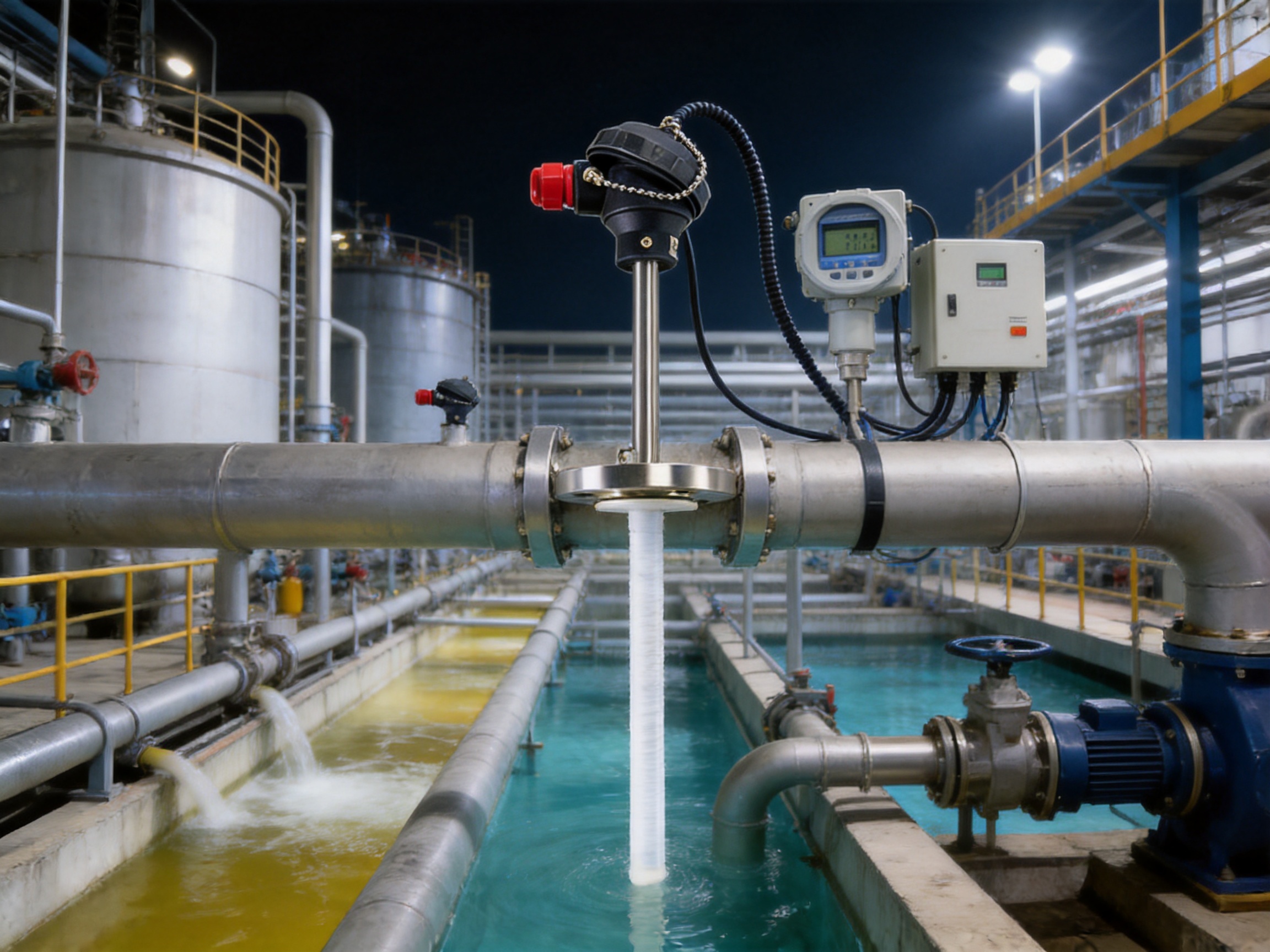
Industrial users may require technical documents before approving a temperature sensor. Depending on the project, these documents may include product drawings, material information, wiring diagrams, inspection reports, calibration records, certificates, installation instructions, and packing information.
Clear documentation supports correct installation and reduces misunderstandings between the sensor supplier, system integrator, engineering contractor, and end user. It also helps maintenance personnel identify the sensor’s original specifications when replacement or troubleshooting is required.
Customer support is especially important for corrosive applications because the correct product depends on process details. Users should provide information about the fluid, temperature, pressure, concentration, flow, installation method, required accuracy, and receiving instrument. The manufacturer can then recommend a suitable configuration and identify any conditions requiring special attention.
For international projects, communication regarding standards, units, certificates, packaging, delivery requirements, and spare parts should be completed before production. A well-defined technical agreement helps ensure that the delivered sensor matches the operating system.
The Anti-Corrosive RTD is designed to provide dependable temperature measurement in environments where chemical and environmental corrosion are concerns. Its practical performance depends on correct material selection, proper manufacturing, suitable installation, and operation within the specified limits.
Users should not interpret “anti-corrosive” as unlimited resistance to every chemical. Corrosion resistance is always relative to a specific material and environment. The best results are obtained when the customer provides accurate process information and the sensor is designed accordingly.
When correctly specified, the product can provide stable readings, reduced maintenance, improved equipment availability, and longer service potential. These benefits can be particularly significant in remote installations, continuous production lines, treatment facilities, and systems where sensor replacement requires draining, cleaning, or shutting down equipment.
The sensor can also support preventive maintenance programs. Temperature trends may reveal heat exchanger fouling, flow changes, pump problems, chemical reaction deviations, or abnormal equipment conditions. Reliable temperature information therefore contributes not only to measurement but also to broader process monitoring and asset management.
An Anti-Corrosive RTD is a resistance temperature detector designed for temperature measurement in environments where the sensor may be exposed to corrosive water, chemicals, moisture, or industrial fluids. Its materials and protective construction are selected according to the application.
Available materials may include aluminum, zinc, corrosion-resistant alloys, and other materials selected for compatibility with the specific process medium. The final material should be determined after reviewing the chemical composition, concentration, temperature, and exposure conditions.
Yes, it can be configured for selected acidic-water applications. The acid type, concentration, temperature, flow, and exposure duration must be evaluated before material selection. A material suitable for one acidic solution may not be suitable for another.
Yes, the sensor can be designed for appropriate alkaline-water applications. The pH range, temperature, dissolved substances, deposits, and cleaning conditions should be provided to the manufacturer so that a compatible construction can be recommended.
Yes. The product is intended to address corrosion prevention requirements found in construction and related industrial environments. It may be used in building systems, water treatment equipment, industrial piping, and processes involving moisture or construction chemicals.
Yes. The Anti-Corrosive RTD can be connected to compatible display units, recorders, transmitters, process controllers, and other standard temperature measurement instruments. The RTD type and wiring configuration must match the input requirements of the receiving device.
Two-wire, three-wire, and four-wire configurations may be available depending on the required accuracy and instrument design. Three-wire wiring is widely used for industrial measurement, while four-wire wiring is generally selected for higher accuracy. The application and receiving instrument should determine the choice.
No. Corrosion-resistant construction reduces risk and may reduce maintenance frequency, but periodic inspection remains necessary. Users should check for surface damage, deposits, loose connections, leakage, cable deterioration, and measurement drift.
Clean the sensor with a method and solution compatible with its material and the process residue. Avoid aggressive chemicals, abrasive tools, and cleaning procedures that may damage the protective surface or electrical connections.
Useful information includes the process medium and chemical composition, temperature range, pressure, flow conditions, installation position, insertion length, connection type, required material, RTD configuration, cable length, accuracy, quantity, and applicable standards or documentation requirements.
Yes. The material, dimensions, connection arrangement, cable, installation accessories, and other specifications can be reviewed according to the application. Customization is particularly useful when the process medium or installation environment falls outside common general-purpose conditions.
The main difference is the focus on corrosion-resistant materials and application-specific construction. A standard RTD may be suitable for ordinary environments, while the Anti-Corrosive RTD is designed to address chemical exposure, moisture, acidic or alkaline water, and other conditions that can shorten the life of a general-purpose sensor.
The Anti-Corrosive RTD is a specialized solution for temperature measurement in industrial environments where corrosion can compromise ordinary sensors. By combining RTD measurement technology with material selection based on the corrosive medium, the product is designed to provide accuracy, stability, durability, and reduced maintenance requirements.
Its applications include water treatment plants, chemical processing facilities, construction environments, industrial piping, utility systems, and processes involving acidic or alkaline water. Aluminum, zinc, corrosion-resistant alloys, and other suitable materials can be considered according to the application.
The product’s performance is supported by Xinguo Group’s experience in temperature instruments, alloy materials, cables, electrical accessories, and industrial manufacturing. Research and development capabilities, modern equipment, staged inspection procedures, quality management systems, and compliance with IEC and applicable national and industrial specifications provide a strong foundation for consistent production.
The most important step is selecting the sensor according to the actual process conditions. When the medium, temperature, pressure, flow, installation method, and electrical requirements are properly evaluated, the Anti-Corrosive RTD can become a dependable part of a process monitoring and control system. It can help users protect equipment, reduce unplanned maintenance, improve operational continuity, and obtain reliable temperature information in demanding environments.
1. International Electrotechnical Commission, industrial resistance thermometer and temperature sensor standards.
2. ISO 9001, Quality Management Systems—Requirements.
3. ISO 14001, Environmental Management Systems—Requirements with Guidance for Use.
4. GB/T 28001, Occupational Health and Safety Management System requirements and guidance.
5. Industrial temperature measurement engineering manuals covering RTD principles, wiring configurations, calibration, and installation.
6. Corrosion engineering references covering material compatibility in acidic water, alkaline water, industrial fluids, and chemical processing environments.
7. Process instrumentation design references covering temperature sensor selection, thermowell installation, signal transmission, and preventive maintenance.
8. Manufacturer-provided technical information for Anti-Corrosive RTD materials, configurations, applications, and operating instructions.



 INQUIRY
 English
 عربى
 русский
 中文简体