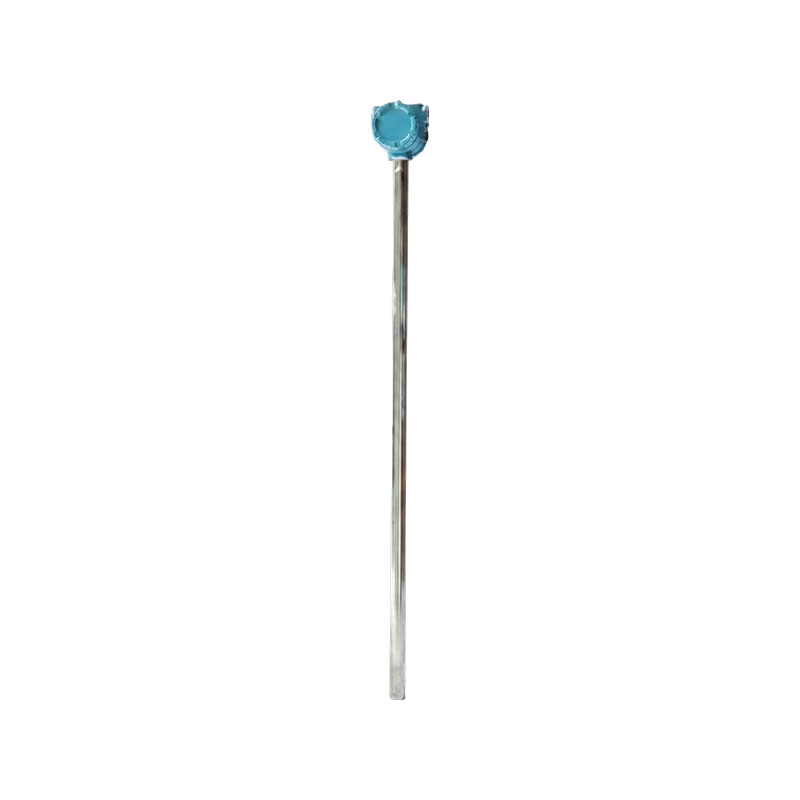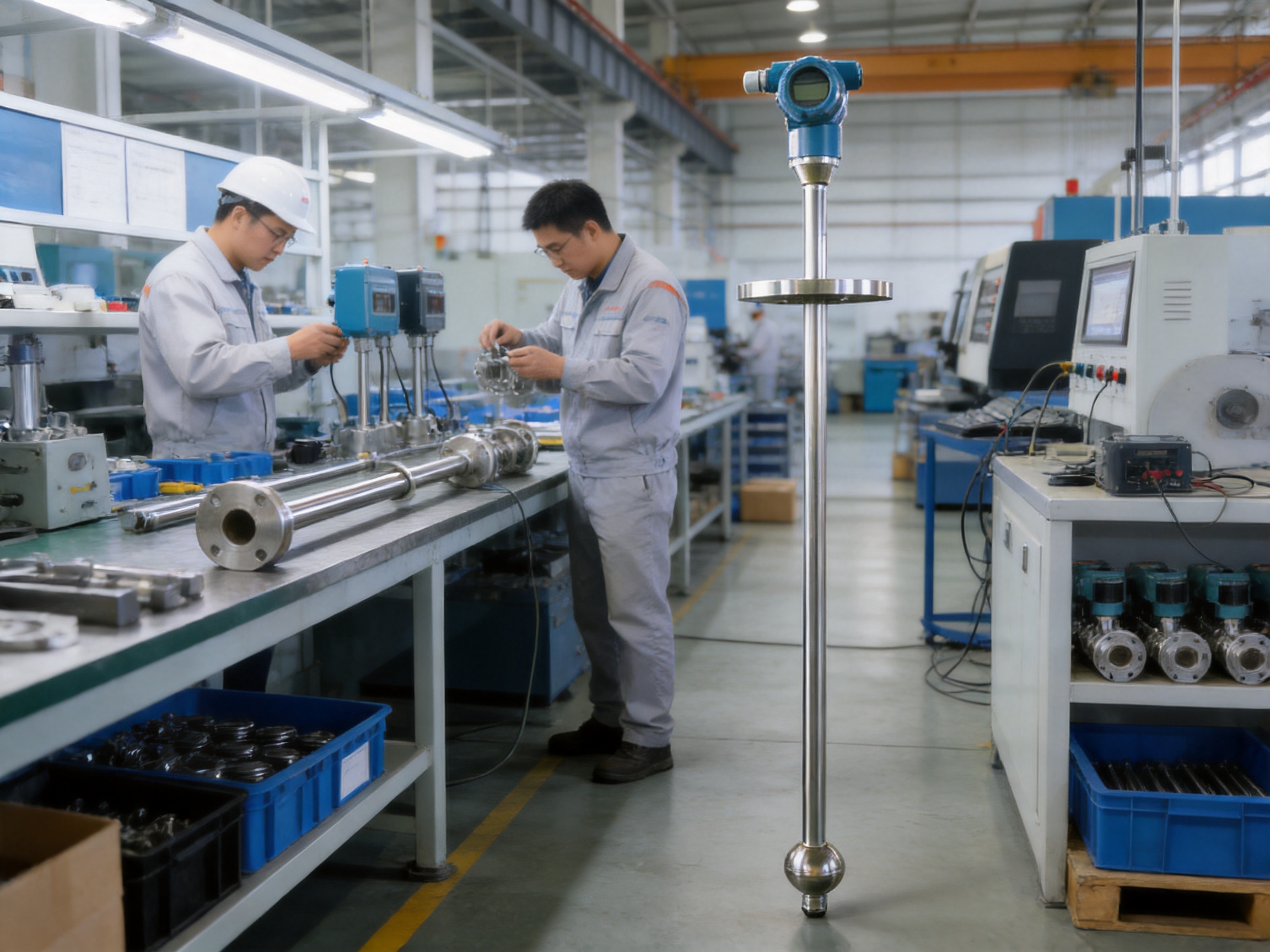
Accurate liquid-level measurement is essential for safe, efficient, and continuous industrial production. Storage tanks, dosing vessels, water-treatment systems, oil reservoirs, chemical containers, hydraulic stations, and process equipment all depend on dependable level monitoring. When level information is inaccurate or delayed, the consequences may include pump damage, material overflow, production interruption, contamination, or unsafe operating conditions. For this reason, industrial users require level instruments that combine reliable mechanical operation, suitable materials, simple maintenance, flexible installation, and compatibility with modern control systems.
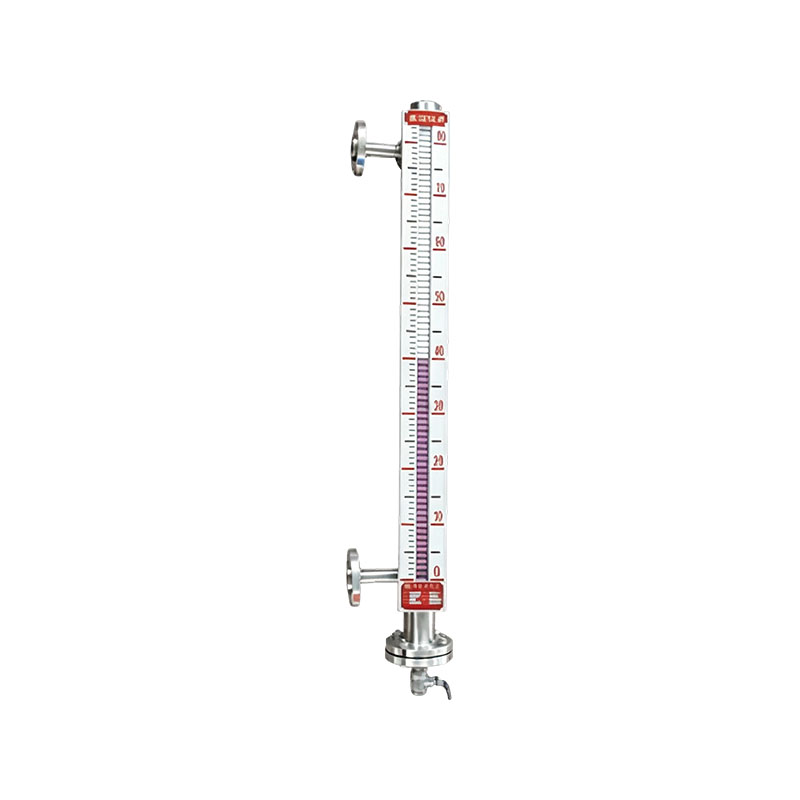
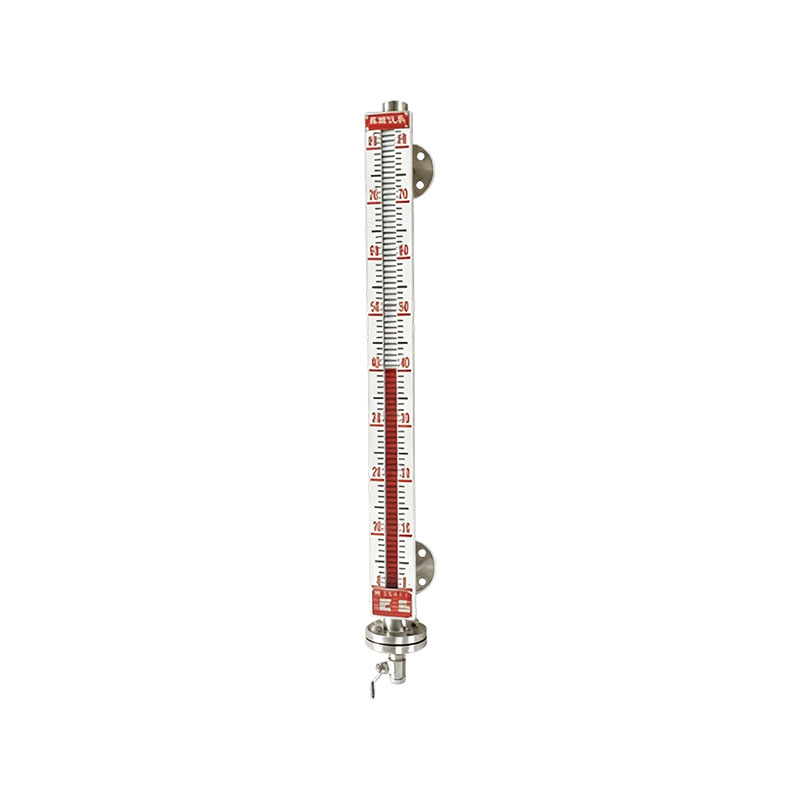
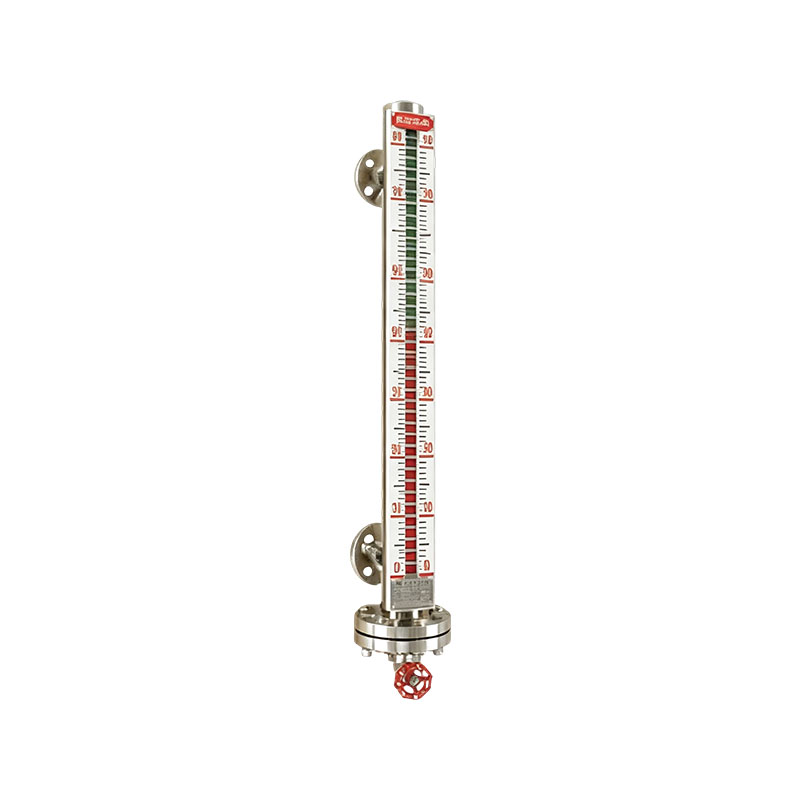
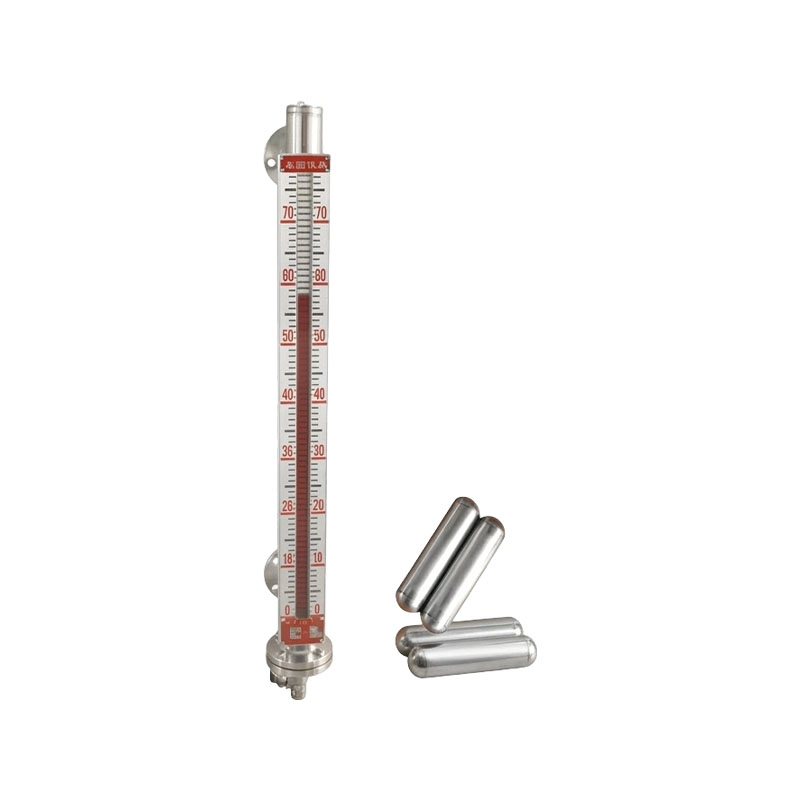
The UQZ series magnetic levitation ball level gauge is designed to meet these requirements. It uses a buoyant magnetic float, a guide rod, magnetic coupling, and optional switching or remote-transmission components to indicate and monitor liquid level. The instrument is suitable for local indication, high- and low-level alarms, interlocking control, and continuous transmission through a 4–20 mA signal. Depending on the selected configuration, the guide tube and float may be manufactured from stainless steel, fluoroplastic-lined materials, or PVC, allowing the gauge to serve a wide variety of industrial media.
Developed for industrial automation processes, the UQZ series emphasizes structural simplicity and dependable operation. It does not rely on a complicated internal electronic measuring system for its basic level indication. Instead, the liquid level moves the float, and the magnetic coupling transfers this movement to the indication or switching mechanism. This design reduces the number of vulnerable internal components and supports stable performance in environments where vibration, humidity, temperature variation, or difficult installation conditions may be present.
Manufactured and supplied by Xinguo Group Co., Ltd., the product benefits from the company’s experience in temperature instruments, pressure instruments, flow meters, level instruments, instrument materials, alloy products, and industrial accessories. The group combines product development, material selection, machining, assembly, electrical integration, testing, and quality management within a broad industrial manufacturing system. This integrated capability helps ensure that the level gauge is not treated as an isolated component, but as part of a complete instrumentation solution.
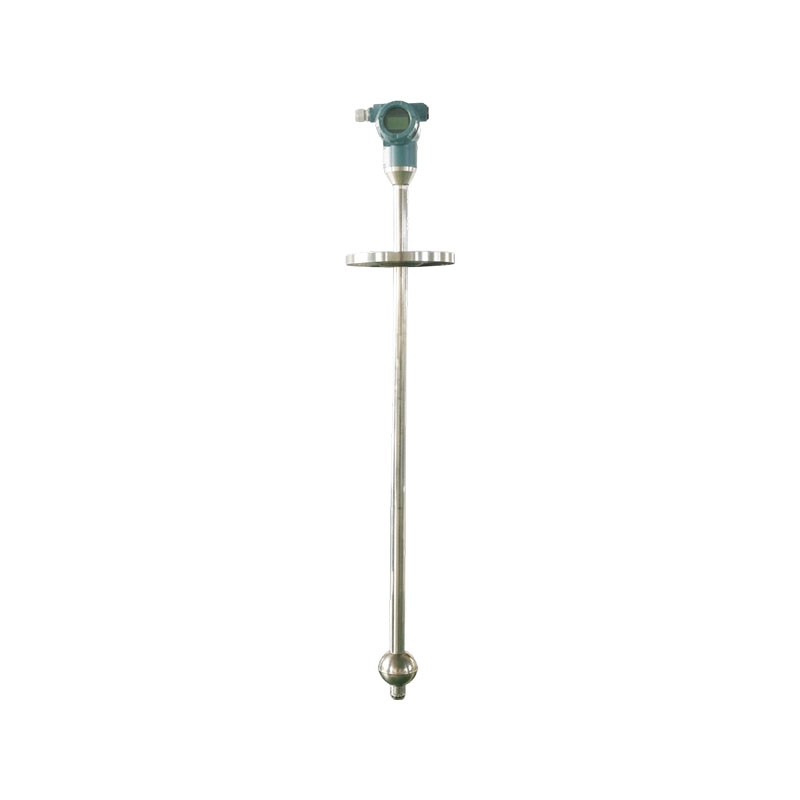
UQZ series magnetic levitation ball level gauge
The UQZ series operates according to the buoyancy principle. A float is installed around or along a guide tube and is selected according to the density and characteristics of the measured liquid. As the liquid level rises or falls, the float moves correspondingly. A permanent magnet inside the float interacts with a magnetic element, indicator, or switching assembly outside the process chamber. This magnetic coupling transfers the position of the float without requiring a conventional mechanical shaft to pass through the tank wall.
This arrangement provides an important separation between the process medium and the external indication or control components. The liquid remains contained within the guide tube or process connection, while the signal-generating components remain accessible outside the main wetted area. As a result, the instrument can provide level information without exposing all electrical parts directly to the liquid.
For local level indication, the float position can be associated with a visual indicator or a corresponding mechanical scale. For alarm applications, switching components may be arranged at predetermined positions. When the float reaches a high- or low-level point, the switch changes state and can be connected to an alarm circuit, pump control circuit, or interlocking system.
For remote monitoring, a 24 VDC-powered transmitter can provide a 4–20 mA analog output. This output allows the continuous liquid-level signal to be transmitted to a programmable logic controller, distributed control system, display panel, data-acquisition system, or industrial monitoring platform. The 4–20 mA format remains widely used because it is robust over long cable runs and compatible with many existing control systems.
The magnetic transmission principle avoids the need for complex internal mechanisms in the basic level gauge. This contributes to straightforward operation and makes the instrument easier to inspect. If the installation is correctly selected and the float can move freely, the gauge can provide stable level information over an extended operating period.
The core structure mainly consists of the float, permanent magnets, guide rod or guide tube, process connection, and optional switch or remote-transmission assembly. Compared with more complicated measuring systems, this configuration has fewer internal components that can fail. The simplified construction is particularly valuable in industrial locations where maintenance access is limited or where instruments must operate continuously for long periods.
A simple structure also makes troubleshooting more direct. If the level indication becomes abnormal, technicians can inspect the float movement, process connection, guide tube, switch position, wiring, and power supply in a logical sequence. This can reduce diagnostic time and help maintenance personnel restore normal operation quickly.
The UQZ series can be configured for local indication, switch alarm output, or remote analog transmission. Switch outputs are suitable for high-level and low-level alarm functions, emergency shutdown interlocks, pump start and stop control, and tank protection. A 4–20 mA output is suitable for continuous level measurement and integration with PLC or DCS systems.
Having multiple signal options allows the same basic product family to be adapted to different automation levels. A small tank may only require local indication and a high-level alarm. A chemical dosing system may require two switching points. A large process plant may require continuous level transmission to a central control room. The UQZ series can be specified according to these different needs instead of forcing every user to purchase an unnecessarily complex instrument.
The wetted or exposed materials can be selected to suit the application. Stainless steel options include 304, 321, and 316L grades. Fluoroplastic-lined construction is available for applications requiring enhanced resistance to aggressive chemical media, while PVC construction can be used in selected corrosive-liquid service conditions.
Material selection is one of the most important factors in level-instrument reliability. A float or guide tube that is chemically incompatible with the liquid may corrode, swell, become contaminated, or lose mechanical integrity. By offering stainless steel, fluoroplastic-lined, and PVC configurations, the product can address water, oil, acid, alkaline, and other industrial liquids within the applicable operating limits.
The instrument supports flexible installation arrangements. Top-mounted installation is suitable for tanks where the upper cover is accessible and the level gauge can extend vertically into the vessel. Side-mounted installation can be used where a side nozzle or flange is available and the instrument must monitor a defined section of the tank.
Flexible installation is an important advantage in retrofit projects. Existing tanks may have limited access, fixed pipework, or structural restrictions. A product that supports more than one mounting method can reduce the need for extensive site modification. Installation and commissioning are also simplified because the gauge can be selected to match the available flange and insertion length.
The magnetic float principle permits level tracking through the external indication or signal assembly. Under normal conditions, routine adjustment does not require opening the tank cover merely to observe the level. This helps reduce exposure to the process environment and can make maintenance more convenient and safer.
Although the instrument should still be inspected and tested according to the user’s maintenance program, the external arrangement supports practical field service. Technicians can check the float movement, switch action, electrical connections, and output signal without unnecessarily disturbing the tank contents.
An intrinsically safe explosion-proof option is available for applications involving flammable or explosive atmospheres. The stated explosion-proof designation is ibIICT5. When selected and installed with the appropriate associated equipment, wiring, barriers, and certification requirements, the instrument can be used in suitable hazardous-area applications such as chemical tank farms, petrochemical facilities, and fuel-storage areas.
Explosion-proof selection must always be based on the complete system, not on the instrument alone. The user should confirm the hazardous-area classification, gas group, temperature class, electrical interface, barrier arrangement, cable glands, grounding, and local regulations before ordering and installation. The product’s intrinsically safe option provides a foundation for these applications, while correct system integration ensures that the safety design is maintained in service.

The UQZ series is available in a range of dimensions and configurations. The insertion depth is specified from 200 to 6000 mm, while the measuring range is approximately 500 to 6000 mm. These dimensions allow the instrument to serve compact tanks as well as relatively deep storage and process vessels.
| Parameter | Specification |
|---|---|
| Product series | UQZ series magnetic levitation ball level gauge |
| Gauge types | Local level indicator or remote-transmission type |
| Power supply for remote transmission | 24 VDC |
| Analog output | 4–20 mA |
| Ambient temperature | −20 to 80 °C |
| Relative humidity | 5%–100%, including direct moisture |
| Ambient pressure | 86–108 kPa |
| Operating pressure | Less than 2.5 MPa |
| Insertion depth | 200–6000 mm |
| Measuring range | 500–6000 mm |
| Measurement accuracy | Less than ±1.5%; for L greater than 1000 mm, less than ±1.0% |
| Dead zone | 66–120 mm with water as the medium |
| Medium temperature | −20 to 125 °C |
| Medium viscosity | Less than 0.05 Pa·s |
| Medium density options | 0.35–0.5 g/cm³, 0.5–0.75 g/cm³, and 0.75–1.5 g/cm³ |
| Explosion-proof rating | ibIICT5 |
| Enclosure protection | IP65 or IP68 |
| Guide tube and float materials | 304, 321, or 316L stainless steel; fluoroplastic-lined; PVC |
| Flange materials | Carbon steel, stainless steel, or PVC |
Actual performance depends on the selected construction, process conditions, medium density, installation geometry, and calibration. Users should provide complete operating data when requesting a quotation or technical confirmation. Important information includes tank height, required measuring range, medium density, medium temperature, pressure, viscosity, corrosiveness, flange size, installation direction, output requirements, and hazardous-area classification.
Float density is a fundamental selection factor. The float must have sufficient buoyancy to remain responsive to changes in liquid level while also maintaining stable movement. The available density ranges cover liquids from relatively light media to liquids with higher specific gravity. If the actual medium density changes considerably during operation, the user should discuss the condition with the manufacturer before final selection.
Incorrect density selection can cause sluggish movement, insufficient buoyancy, or unstable indication. In applications involving mixtures, suspended solids, gas entrainment, or changing composition, the most representative operating condition should be used for design. The minimum and maximum expected density should be considered rather than relying only on a nominal laboratory value.
The instrument can be selected for actual working pressures of 0.6, 1.0, 1.6, or 2.5 MPa. These options are associated with the specified flange standards and pressure classes. The medium temperature range is −20 to 125 °C, while the surrounding ambient temperature is listed as −20 to 80 °C.
Pressure and temperature must be evaluated together. A material or flange suitable for one pressure at room temperature may not provide the same performance at elevated temperature. The user should ensure that the selected model, gasket, flange, float, transmitter, and electrical components are all appropriate for the actual process condition.
The recommended medium viscosity is below 0.05 Pa·s. The instrument is not suitable for highly viscous liquids or media that easily scale, solidify, crystallize, or adhere to the float and guide tube. Deposits can increase friction and restrict the movement of the float, eventually causing delayed response or measurement failure.
Applications involving heavy oils, resins, slurries, concentrated polymers, sticky food products, or liquids with significant suspended solids require special evaluation. In some cases, heating, flushing, filtration, or a different measurement technology may be more suitable. The UQZ series performs best when the float can move freely in a relatively clean, low-viscosity liquid.
The product selection system allows users to define the gauge type, guide tube and float material, flange material, working pressure, flange size, medium specific gravity, ordering length, and explosion-proof requirement. This modular approach helps align the instrument with the process rather than treating all tanks as identical.
| Selection item | Available option | Purpose |
|---|---|---|
| Gauge type | Local level indicator | On-site visual level monitoring |
| Gauge type | Remote-transmission type | Continuous 4–20 mA signal transmission |
| Guide tube and float | Stainless steel, code P | General industrial and higher-strength applications |
| Guide tube and float | Fluoroplastic-lined, code F | Selected corrosive chemical services |
| Guide tube and float | PVC, code S | Selected corrosion-resistant applications |
| Flange material | Carbon steel, code G | General process installations |
| Flange material | Stainless steel, code P | Corrosive, hygienic, or demanding environments |
| Flange material | PVC, code S | Compatible plastic process systems |
| Working pressure | 0.6, 1.0, 1.6, or 2.5 MPa | Matching the process pressure class |
| Flange specification | DN80, DN100, DN125, or DN150 | Matching the tank nozzle or process connection |
| Explosion-proof requirement | Non-explosion-proof or intrinsically safe | Matching the area classification |
For correct ordering, the required insertion length and measuring range should be clearly distinguished. The insertion length describes how far the instrument extends into the tank or process connection. The measuring range describes the portion over which the float movement is used for level measurement. Providing a dimensional drawing or tank connection sketch can help prevent installation errors.
Oil storage tanks, intermediate tanks, blending vessels, and process reservoirs require reliable level monitoring to prevent overflow and support material management. The UQZ series can provide local indication, high- and low-level alarms, or a continuous signal to the plant control system. Stainless steel construction and the intrinsically safe option make the product suitable for selected petrochemical applications when the process conditions and area classification are correctly matched.
In fuel and oil service, users should pay close attention to medium density, viscosity, temperature, and the possibility of deposits. The liquid must remain within the recommended viscosity range, and the float must not be exposed to heavy wax or sticky materials that could restrict movement.
Water-treatment plants commonly use storage tanks, clean-water tanks, sewage tanks, chemical dosing tanks, neutralization tanks, and sludge-related vessels. Level signals may be used to control transfer pumps, protect pumps from dry running, prevent tank overflow, and maintain chemical dosing accuracy.
For clean water or relatively mild liquids, stainless steel construction may be appropriate. For acidic, alkaline, or chemically aggressive liquids, fluoroplastic-lined or PVC construction may offer better compatibility. The final selection should consider the exact chemical concentration, temperature, exposure duration, and possible combination of chemicals.
Food and pharmaceutical processes often require stable level information in liquid storage and preparation vessels. In these industries, material compatibility, cleanability, and contamination control are especially important. The user should confirm whether the selected materials, surface finish, connection type, and installation arrangement meet the applicable hygiene and process requirements.
The basic magnetic float principle can be attractive where simple level monitoring is preferred. However, any hygienic application must be evaluated as a complete installation, including seals, dead spaces, cleaning procedures, and material certification requirements.
Power facilities use tanks for fuel, boiler-related water, desalinated water, chemical treatment solutions, and acid or alkaline media. Level signals can be connected to pump interlocks and alarm systems to support continuous plant operation.
In power plants, the instrument may need to operate in locations with vibration, temperature variation, humidity, or restricted access. The UQZ series’ mechanical simplicity, IP65 or IP68 enclosure options, and choice of remote signal output can help meet these practical requirements when the model is properly specified.
Hydraulic stations, machine-tool oil tanks, water-supply systems, drainage equipment, cooling systems, and auxiliary process skids all require practical level detection. In these applications, the gauge can be installed as a local indicator or connected to a control cabinet through a switch or 4–20 mA output.
Its flexible flange and material options allow the instrument to be integrated into new equipment or used as a replacement for an existing level device. The relatively straightforward operating principle can be valuable for equipment manufacturers who need a dependable level component without adding unnecessary system complexity.

Industrial users may choose from many level-measurement technologies, including radar, ultrasonic, hydrostatic, capacitive, conductive, displacer, and magnetostrictive instruments. Each technology has specific strengths. The UQZ series is not intended to replace every technology in every application; its advantage is that it provides a practical and economical solution where a guided buoyant float is suitable.
Compared with non-contact technologies, a magnetic float gauge is less dependent on vapor-space conditions, signal reflection, tank geometry, or surface turbulence. It does not require the same type of signal-processing algorithm used by radar or ultrasonic instruments. This can simplify commissioning in tanks where the liquid surface is relatively stable and the float can move freely.
Compared with instruments that contain numerous electronic components inside the measuring assembly, the UQZ series uses a largely mechanical sensing principle. This can reduce sensitivity to certain electronic failures and makes the operation easier to understand for maintenance personnel. The external switch and transmitter components can be inspected or replaced without necessarily removing the entire process connection.
Compared with basic sight-glass arrangements, the UQZ series can provide electrical alarm and remote-transmission functions. Operators do not have to rely solely on visual inspection at the tank location. The 4–20 mA output enables level data to be incorporated into automated control, historical records, trend analysis, and centralized alarm management.
Compared with some specialized high-end instruments, the UQZ series can provide a more economical approach for tanks with moderate accuracy requirements and suitable liquid characteristics. Its key value lies in balancing simple construction, flexible materials, multiple outputs, and industrial installation options.
The performance of a level gauge depends not only on its design, but also on the consistency of its manufacturing. Float dimensions, magnetic strength, guide-tube straightness, flange accuracy, sealing quality, electrical assembly, and final calibration all affect field performance. Xinguo Group’s manufacturing system brings together product development, material production, instrument assembly, and quality inspection across several specialized business units.
Xinguo Group was founded in 1997 and is located in Tianchang City, Anhui Province, China. The group has a registered capital of RMB 118 million, a land area of more than 150 mu, and a construction area of approximately 60,000 square meters. It employs nearly 300 people, including more than 50 professional technicians, senior technical experts, senior engineers, engineers, and assistant engineers.
This technical workforce supports the development and improvement of temperature instruments, pressure instruments, flow meters, level instruments, alloy materials, cables, electrical accessories, and related products. The combination of instrument engineering and material expertise is particularly relevant to magnetic float level gauges because reliable operation depends on both mechanical design and appropriate material selection.
The product was developed by studying similar domestic and international instruments and incorporating improvements in structure, materials, electrical components, and installation flexibility. The development approach focuses on practical industrial needs: stable performance, convenient use, long service life, straightforward maintenance, and compatibility with control systems.
Engineering evaluation should begin with the operating medium and proceed through density, viscosity, pressure, temperature, corrosion, installation arrangement, output type, and safety classification. This process helps ensure that the final configuration is selected for the actual application rather than simply using a standard model without review.
High-quality permanent magnets are important to the operation of a magnetic levitation ball level gauge. Magnetic performance must remain sufficiently stable across the expected operating temperature and service life. The product uses selected magnets and imported electronic components for applicable configurations. Material options for guide tubes, floats, and flanges are also chosen according to the required mechanical and chemical environment.
Stainless steel grades such as 304, 321, and 316L provide different combinations of corrosion resistance, strength, and temperature capability. Fluoroplastic lining and PVC can be selected when resistance to specific corrosive liquids is more important than metal strength. Because chemical compatibility varies greatly, the user should provide a complete medium description before material confirmation.
The group uses modern equipment, updated production techniques, and inspection procedures throughout manufacturing. For a level gauge, production control may include inspection of raw materials, dimensional verification of the guide tube and flange, float assembly checks, magnetic coupling verification, sealing inspection, electrical continuity testing, output calibration, and final appearance inspection.
Quality control at multiple stages helps identify problems before shipment. A level gauge that is dimensionally accurate but has an improperly calibrated transmitter will not meet the user’s needs. Likewise, a correctly wired transmitter cannot compensate for a float that binds inside the guide tube. An integrated inspection approach is therefore essential.
Xinguo Group has obtained ISO9001 Quality Management System, ISO14001 Environmental Management System, and GB/T28001 Occupational Health and Safety Management System certifications. These systems support controlled production procedures, environmental responsibility, workplace safety, documented quality activities, and continuous improvement.
For international customers, quality-system certification provides confidence that manufacturing is organized around repeatable procedures rather than informal production practices. It also supports traceability, customer communication, corrective action, and supplier management. The company’s products are designed to comply with applicable IEC international standards and national or industrial specifications where relevant to the product category.
The group includes companies specializing in instruments, alloys, cables, and precious metals. This broader industrial structure strengthens the company’s ability to understand the relationship between sensing elements, conductive materials, electrical assemblies, mechanical components, and complete instrumentation systems.
Such integration can be valuable for customers purchasing multiple product categories from one supplier. Xinguo Group offers temperature instruments, pressure instruments, flow meters, level instruments, pressure transmitters, pressure gauges, alloy wire, cables, and instrument materials. Customers can therefore discuss level measurement as part of a broader plant-instrumentation requirement.
Correct installation is essential for reliable operation. Before mounting the gauge, confirm that the tank nozzle, flange, gasket, bolts, and instrument dimensions are compatible. The guide tube must be positioned so that the float can move vertically or along its intended path without obstruction.
Internal mixing blades, agitators, heating coils, support brackets, ladders, pipes, and tank structures must not interfere with float movement. Turbulent flow should be minimized where possible. If the tank contains a strong mixer, a stilling arrangement or an alternative installation location may be required.
For side-mounted instruments, the installation flange should be level and aligned correctly. An angled flange can cause the float to rub against the guide tube or housing. The float should move freely through the full measuring range, and the instrument should not be forced into position by misaligned pipework.
The pressure and temperature of the medium must remain within the rated parameters. The selected material must be compatible with the liquid, and the process connection must be properly sealed. For high-temperature service, allow the instrument and surrounding components to reach a safe temperature before inspection.
Electrical wiring for the 4–20 mA transmitter should follow the applicable wiring diagram. The power supply should be a suitable 24 VDC source, and signal cables should be routed to reduce the risk of interference. In intrinsically safe installations, the wiring, isolator or barrier, grounding, and associated equipment must comply with the complete hazardous-area design.
After installation, verify the zero and span relationship, check the output at known liquid levels where practical, confirm alarm switching points, and make sure the local indicator corresponds with the actual tank condition. A commissioning record should include the model, serial information, medium, density, range, output, alarm settings, and observed test results.
Routine maintenance is generally straightforward because the instrument has a simple operating structure. Operators should periodically confirm that the float responds to normal level changes and that the local indication or remote output is stable. Switch points should be tested according to the plant’s preventive-maintenance schedule.
If the indication is stuck, the first inspection should focus on possible obstruction or deposits around the float and guide tube. Scaling, crystallization, sediment, or sticky material can prevent free movement. The process should be made safe before opening or removing any part of the instrument.
If the transmitter output is absent or outside the expected range, check the 24 VDC supply, polarity, cable continuity, terminal connections, grounding, and receiving instrument. A loop-current test can help distinguish an electrical problem from a mechanical float problem.
If the output changes slowly, inspect the medium viscosity and the guide tube for contamination. A change in process composition may have caused the liquid to become more viscous than the original design condition. Temperature changes can also affect viscosity and float response.
If the reading is unstable, check for turbulence, agitation, vibration, intermittent contact, or an incorrectly positioned instrument. The magnet and switching components should also be inspected by qualified personnel if magnetic coupling appears weak. Under normal conditions, the magnetic steel is not expected to demagnetize quickly. However, prolonged exposure to temperatures beyond the recommended range may accelerate magnetic decay.
The expected service life depends on operating conditions, corrosion, mechanical impact, temperature, maintenance, and process cleanliness. Under non-corrosive and non-impact conditions, the equipment can operate for several years. Regular observation of float activity and periodic functional testing are recommended.
Model selection should begin with the liquid rather than the tank dimensions alone. Identify the liquid name, chemical composition, density range, viscosity, temperature, pressure, corrosiveness, tendency to scale, and presence of solids. This information determines whether a magnetic float gauge is suitable and which materials should be selected.
Next, define the measurement function. Decide whether the application requires local indication, high- and low-level switches, a continuous 4–20 mA signal, or a combination of these functions. If the signal will be connected to a PLC or DCS, confirm the available power supply, input type, cable arrangement, and required alarm logic.
Then determine the installation dimensions. Measure the tank height, available nozzle, flange size, insertion depth, lower and upper level points, and surrounding clearances. Confirm that the float will not contact internal equipment and that there is adequate space for installation and maintenance.
Finally, identify the safety and environmental requirements. Confirm whether the area is hazardous, whether an intrinsically safe version is required, whether the enclosure requires IP65 or IP68 protection, and whether the instrument will be exposed to direct moisture, outdoor conditions, vibration, or corrosive vapors.
A complete technical inquiry should include all of these details. This helps the manufacturer recommend the correct density range, material combination, pressure class, flange specification, length, signal type, and explosion-proof configuration.
No. The product is not recommended for highly viscous liquids or media that easily adhere to the float or guide tube. The recommended medium viscosity is below 0.05 Pa·s. If the liquid is low in viscosity and does not easily stick to surfaces, the instrument may operate normally.
Under normal working conditions, the magnetic material is not expected to demagnetize easily. Long-term exposure to temperatures above the recommended operating range can accelerate magnetic decay. Avoid excessive heat, mechanical impact, and severe chemical exposure. Regularly check whether the float moves correctly and whether the indication remains consistent.
The primary options are switch output and 4–20 mA analog output. Switch output is suitable for high- and low-level alarms, pump control, and interlocking. The 4–20 mA output provides continuous remote level transmission and can be connected to PLC or DCS systems through a suitable 24 VDC power supply.
An intrinsically safe option is available with an ibIICT5 designation. The complete installation must still comply with the applicable hazardous-area requirements. Users should confirm the area classification, gas group, temperature class, associated equipment, wiring, barrier, grounding, and local regulations before installation.
Make sure agitators, mixing blades, internal pipes, heating elements, brackets, and other tank components cannot interfere with float movement. Do not exceed the rated pressure and temperature. For side-mounted installation, keep the flange level and ensure that the float can move freely through the measuring range.
The correct selection depends on the chemical composition, concentration, temperature, and exposure time. Stainless steel, fluoroplastic-lined, and PVC configurations are available. The user should provide complete chemical information so that material compatibility can be evaluated before ordering.
It can be an alternative in applications where a guided float is suitable, the medium has appropriate viscosity and density, and the tank geometry permits free float movement. Radar or ultrasonic instruments may be more appropriate for tanks with heavy fouling, high viscosity, severe turbulence, solids, or special non-contact requirements.
The listed enclosure protection options are IP65 and IP68, and the ambient temperature range is −20 to 80 °C. Outdoor installation should also consider direct sunlight, rain, condensation, freezing, cable sealing, mechanical protection, and the local environmental conditions.
Provide the medium name and density, viscosity, temperature, pressure, corrosiveness, tank height, measuring range, insertion length, mounting method, flange size, required material, output signal, power supply, enclosure requirement, and explosion-proof classification. A tank drawing or connection sketch is also helpful.
Service life depends on process conditions, material compatibility, temperature, mechanical stress, contamination, and maintenance. Under non-corrosive and non-impact conditions, the equipment can operate for several years. Regular inspections and functional tests help maintain reliable performance.
Purchasing from an integrated instrument manufacturer can simplify technical communication and product coordination. Instead of dealing with separate suppliers for level gauges, pressure instruments, temperature instruments, cables, and related materials, customers can work with one organization familiar with multiple measurement technologies.
Xinguo Group’s product portfolio includes industrial temperature instruments, thermocouples, thermocouple alloy wire, pressure instruments, flow meters, level instruments, instrument materials, pressure transmitters, and pressure gauges. This breadth supports package supply for industrial plants, equipment manufacturers, engineering contractors, and international distributors.
The company’s technical personnel, modern production facilities, documented management systems, and inspection procedures support the development of products for domestic and international markets. Its experience in alloys, cables, electrical accessories, and instrumentation provides a practical foundation for producing instruments that must combine material performance, mechanical reliability, and electrical compatibility.
For customers, the main benefit is not simply product availability. It is the ability to obtain application guidance, configuration support, manufacturing coordination, technical documentation, and after-sales communication from a supplier with a broad understanding of industrial instrumentation.
The UQZ series magnetic levitation ball level gauge is a practical solution for industrial liquid-level measurement, alarm, and control. Its buoyant magnetic float principle provides a direct relationship between liquid level and indication, while the simple structure reduces unnecessary complexity. Local indication, switch output, and 4–20 mA remote transmission allow the instrument to serve both basic and automated applications.
Material choices including stainless steel, fluoroplastic-lined construction, and PVC extend its suitability to water, oil, acid, alkaline, and other selected industrial media. Top-mounted and side-mounted configurations support new installations and retrofit projects. Pressure classes up to 2.5 MPa, measuring lengths up to 6000 mm, IP65 or IP68 protection, and an intrinsically safe option provide flexibility for a wide range of process environments.
The product performs best when the liquid has suitable density and viscosity, the float can move freely, and the instrument is correctly matched to the pressure, temperature, material, and hazardous-area requirements. Careful selection and proper installation are therefore as important as the instrument’s design.
Supported by Xinguo Group’s technical team, modern production methods, material capabilities, inspection procedures, and ISO-based management systems, the UQZ series reflects a balanced approach to industrial instrumentation: uncomplicated operation, configurable construction, dependable signal output, and practical long-term maintenance. For storage tanks, dosing systems, water-treatment equipment, petrochemical installations, power facilities, and general industrial machinery, it offers a reliable foundation for liquid-level monitoring and process control.
1. Industrial process measurement and control principles for liquid-level applications.
2. IEC-related practices for industrial electrical instrumentation and signal transmission.
3. ISO 9001 quality management system principles.
4. ISO 14001 environmental management system principles.
5. GB/T 28001 occupational health and safety management system principles.
6. Industrial flange selection and pressure-rating practices referenced in HG/T 20592–2009.
7. Manufacturer-provided UQZ series magnetic levitation ball level gauge technical information.
8. Manufacturer-provided product selection, installation, operating-condition, and maintenance guidance.



 INQUIRY
 English
 عربى
 русский
 中文简体