Reliable pressure measurement is essential to the safe and efficient operation of industrial facilities. Refineries, chemical plants, power stations, water-treatment systems, metallurgical facilities, vacuum equipment, and oil and gas networks all depend on accurate pressure data. A pressure transmitter must do more than detect pressure. It must remain stable under changing temperatures, resist vibration and process disturbances, communicate with control systems, withstand demanding installation environments, and provide dependable service over many years.
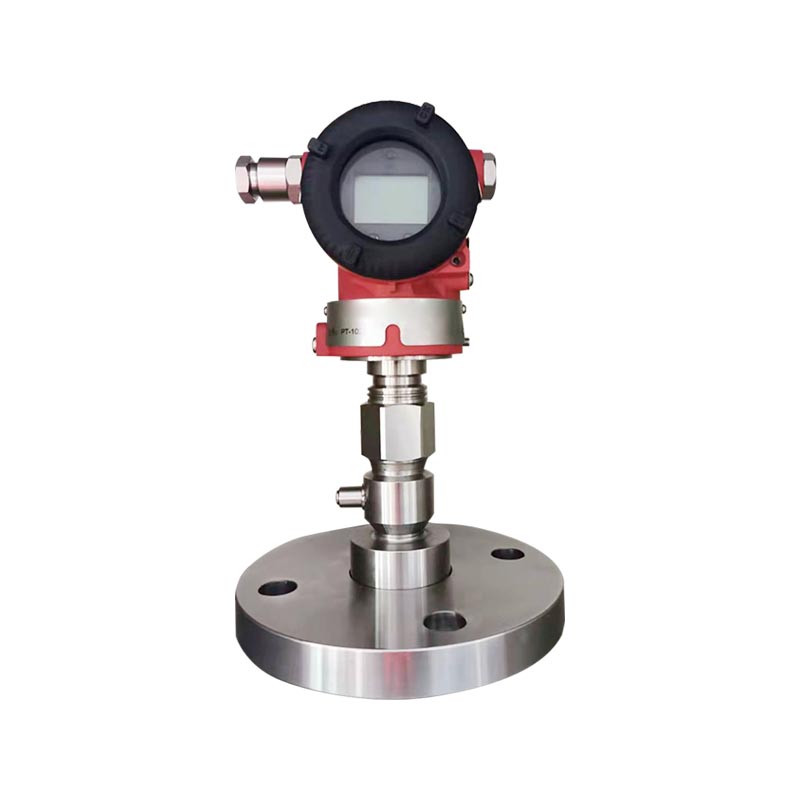
The XG3051T is a 3051T-series intelligent direct-connected pressure transmitter designed for gauge-pressure and absolute-pressure measurement. It uses a capacitive sensing structure, a 316L stainless-steel diaphragm as the standard wetted material, and a two-wire 4–20 mA output with optional HART digital communication. With a 24 VDC operating supply, adjustable measurement ranges, optional local display, selectable materials, several process connections, and explosion-proof configurations, the instrument is suitable for a broad range of industrial applications.
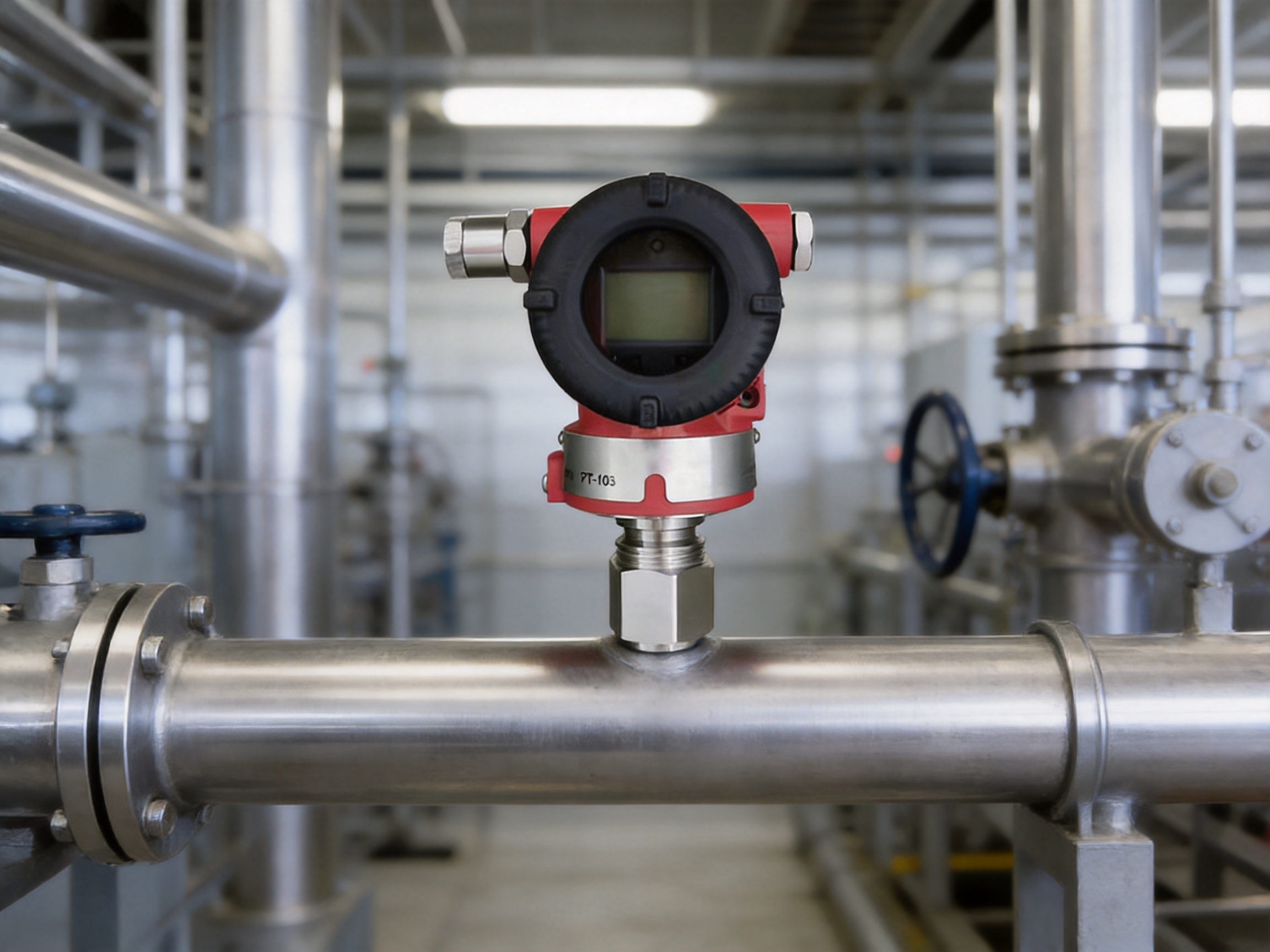
Its direct-connected construction is one of its most important design features. Instead of requiring a complicated pressure-accessory arrangement, the transmitter can be installed directly on a process pipeline, vessel, vacuum system, or equipment connection when the process conditions and connection specification are appropriate. This can reduce installation complexity, minimize potential leakage points, simplify maintenance, and create a more compact measurement system.
The product is manufactured by Xinguo Group Co., Ltd., a Chinese industrial instrumentation and materials manufacturer with capabilities covering temperature instruments, alloy wire, cables, pressure instruments, flow meters, level instruments, and related industrial products. Its integrated technical and manufacturing resources support product development, material selection, machining, assembly, inspection, and export supply.
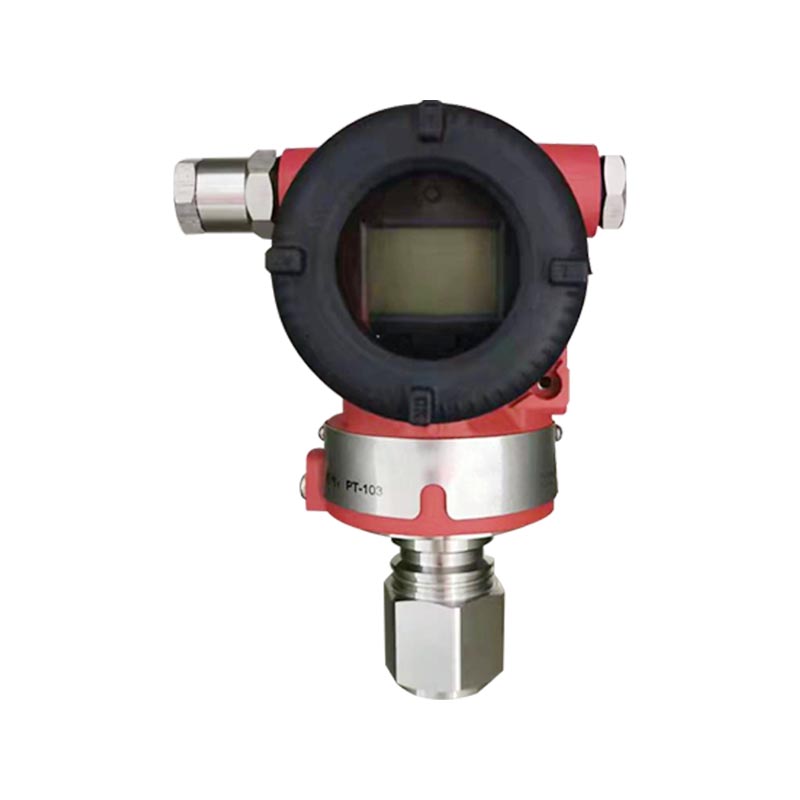
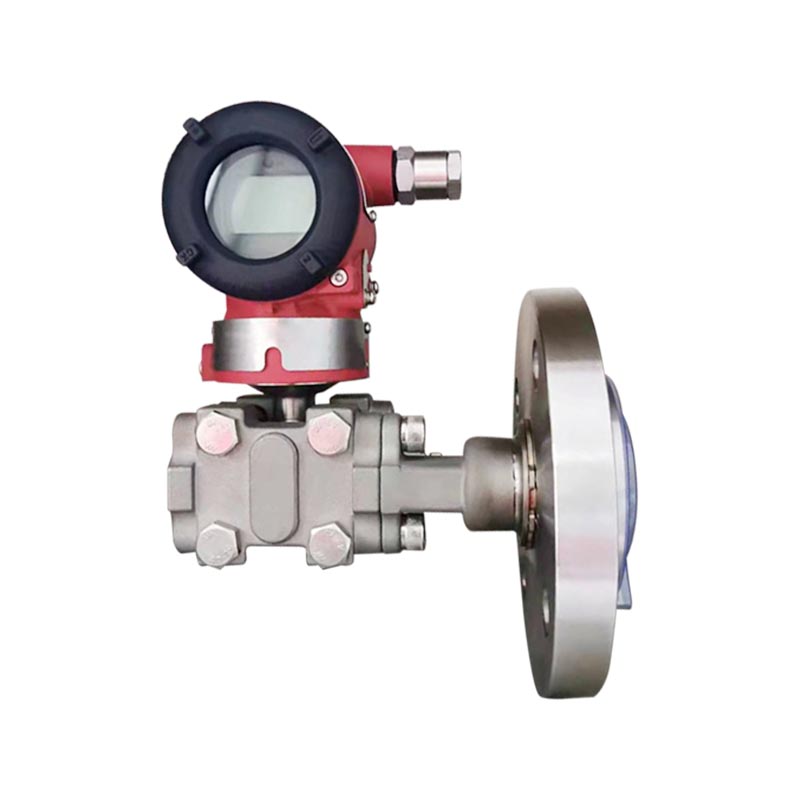
XG3051T Differential pressure/absolute pressure transmitter
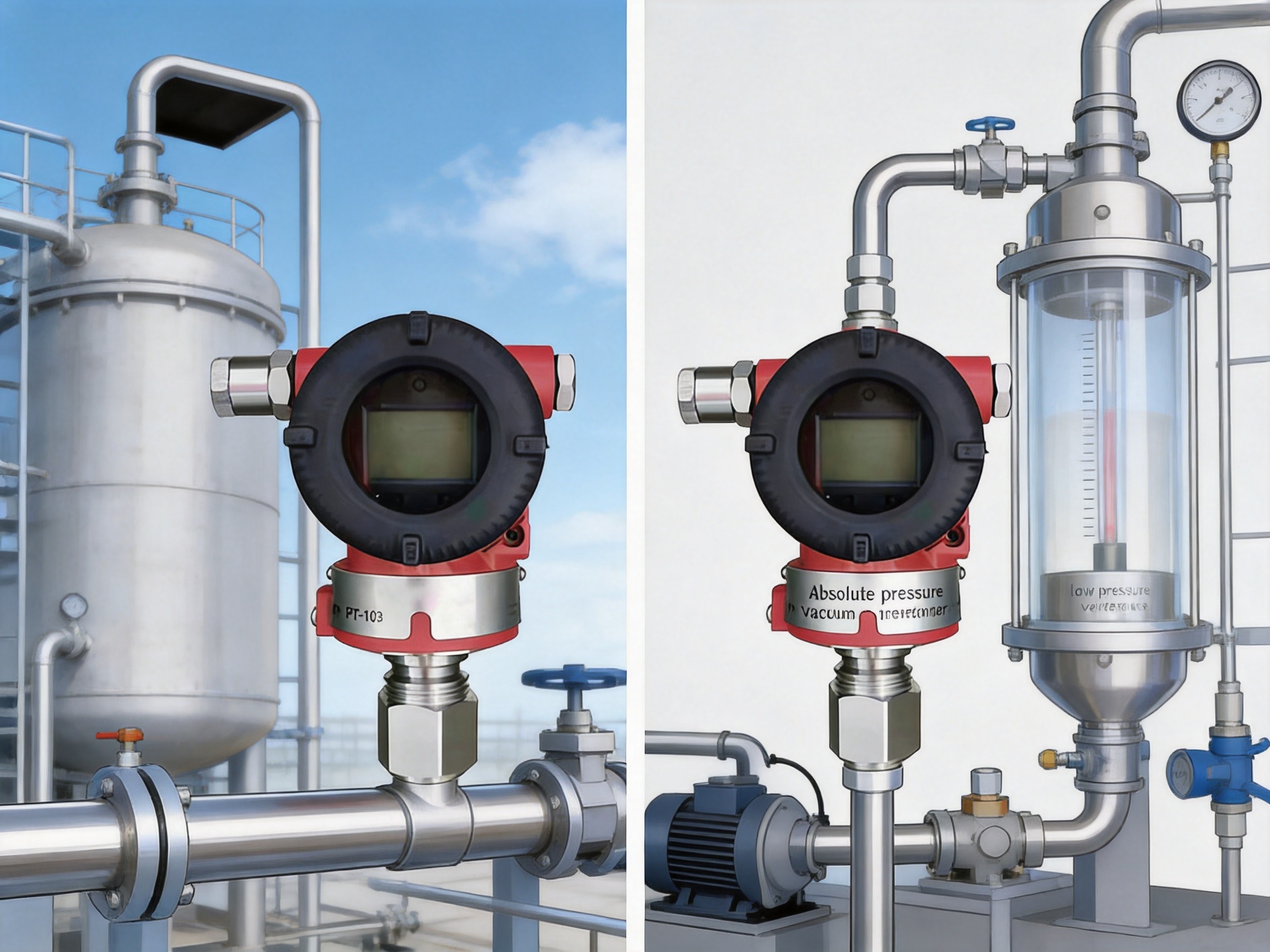
The XG3051T is available in two primary pressure-reference configurations: gauge pressure and absolute pressure. Gauge pressure is measured relative to the local atmospheric pressure. Absolute pressure is measured relative to an ideal vacuum reference. This distinction is fundamental because the two versions use different sensing structures and are intended for different process conditions.
Gauge-pressure models are commonly used for ordinary pipelines, tanks, pumps, compressors, hydraulic systems, water-treatment equipment, and process equipment where pressure is normally evaluated against the surrounding atmosphere. Absolute-pressure models are preferred for vacuum systems, distillation equipment, vacuum drying, negative-pressure monitoring, low-pressure process control, and applications where atmospheric-pressure fluctuations should not influence the measurement reference.
The transmitter converts the sensed pressure into a standard industrial output signal. The standard two-wire current loop provides a 4–20 mA signal, while the HART option adds digital communication over the same loop. This allows the transmitter to provide a continuous analog process value to a distributed control system or programmable logic controller while also supporting digital configuration, diagnosis, parameter adjustment, and calibration through a compatible HART communicator.
The standard power requirement is a nominal 24 VDC supply. The transmitter supports a supply range extending from approximately 12 VDC to 42 VDC, subject to the available loop load and system configuration. Digital communication commonly requires a suitable communication load, with a stated range of approximately 230 to 600 ohms. Engineers should confirm the final loop resistance, power supply capacity, intrinsic-safety barriers, and cable characteristics before installation.
The transmitter is designed for industrial use and offers a stated reference accuracy of approximately ±0.075% of calibrated span for the applicable configuration. Other model and ordering options may provide different accuracy levels. The model-selection information includes accuracy options ranging from standard 4–20 mA output versions to HART-enabled versions with more advanced accuracy grades. The exact accuracy should always be confirmed against the selected model code and final technical datasheet.
| Item | Typical XG3051T specification |
| Measurement type | Gauge pressure or absolute pressure |
| Sensing principle | Capacitive pressure sensing |
| Standard diaphragm | 316L stainless steel |
| Optional diaphragm | Hastelloy C |
| Output | Two-wire 4–20 mA DC |
| Communication | Optional HART digital communication |
| Nominal supply | 24 VDC |
| Supply range | Approximately 12–42 VDC, subject to loop-load conditions |
| Process connection | Standard 1/2-inch NPT internal thread, with adapters and alternatives available |
| Electrical entry | M20 × 1.5 cable gland |
| Ambient temperature | Approximately −40 to 85 °C, with configuration-dependent limitations |
| Warm-up time | Less than approximately 15 seconds |
| Enclosure protection | Up to IP67 according to the supplied specification; confirm the ordered configuration |
| Display options | No display, backlit LCD, or OLED display |
| Explosion-proof options | Standard, intrinsic safety, and flameproof configurations subject to certification and selection |
Many pressure measurement installations require impulse tubing, manifolds, adaptors, isolation valves, condensate pots, or remote seals. These accessories can be necessary in high-temperature, corrosive, viscous, crystallizing, or hazardous processes. However, where the process permits direct installation, a compact direct-connected transmitter can offer meaningful advantages.
The XG3051T is designed to connect directly to the process through a specified threaded or vacuum interface. This reduces the number of components between the process and the sensing diaphragm. Fewer components can mean fewer potential leakage points, less installation space, fewer fittings to inspect, and a shorter commissioning procedure.
A direct connection can also improve measurement responsiveness. Long impulse lines may introduce damping, plugging, condensation, or pressure loss. They can also create installation problems when the process medium contains solids, polymerizes, freezes, or changes viscosity. A direct-mounted transmitter avoids many of these issues when the process temperature, chemical compatibility, and mechanical loading remain within the specified limits.
Direct installation also supports skid-mounted equipment and compact process packages. In applications involving pumps, compressors, filtration units, vacuum equipment, and packaged water-treatment systems, available space is often limited. The transmitter’s compact housing and selectable process connections make it suitable for installations where a large accessory manifold would be inconvenient.
Nevertheless, direct connection should not be selected automatically for every application. The installation engineer must evaluate process temperature, vibration, pulsation, corrosiveness, pressure cycling, access for calibration, and the possibility of diaphragm damage. For high-temperature media or severe chemical service, a remote seal, cooling arrangement, or alternative diaphragm material may be more appropriate.
Gauge pressure is referenced to local atmospheric pressure. A gauge-pressure transmitter reads zero when its sensing reference corresponds to the surrounding atmosphere, assuming the instrument has been correctly zeroed. This configuration is normally chosen for positive pipeline pressure, tank pressure, pump discharge pressure, compressed-air systems, cooling-water systems, and general process monitoring.
Gauge-pressure measurement is appropriate when the process question is, “How far above or below the local atmosphere is the process?” For example, a water pump discharge of 500 kPa gauge indicates that the discharge pressure is approximately 500 kPa higher than local atmospheric pressure.
The XG3051T gauge-pressure range codes extend from low-pressure applications through high-pressure service. Depending on the selected range code, the available spans include low ranges around 0.6 to 6 kPa, intermediate ranges up to approximately 250 kPa, and higher ranges extending to approximately 60 MPa. Negative-to-positive adjustable spans are available on selected ranges, allowing the instrument to measure vacuum, compound pressure, or positive pressure within the limits of the chosen sensor.
Absolute pressure is referenced to a vacuum. It is therefore independent of normal atmospheric-pressure variation. This makes the absolute model more suitable for vacuum monitoring, distillation columns, vacuum dryers, vacuum pumps, deaeration systems, and processes where pressure must be compared against a stable vacuum reference.
An absolute-pressure transmitter should be selected when atmospheric pressure changes could introduce an unacceptable error. For example, a vacuum process may appear to change when local weather conditions change if a gauge-pressure transmitter is used. An absolute-pressure instrument eliminates that reference ambiguity.
The absolute-pressure versions described for the XG3051T include range codes suitable for approximately 2 to 40 kPa, 2.5 to 250 kPa, and 30 to 3,000 kPa, with spans beginning at absolute zero within the capabilities of the selected model. The vacuum connection option is intended for compatible low-pressure ranges and must be matched to the stated application limits.
Gauge-pressure and absolute-pressure transmitters should not be treated as interchangeable instruments. Their sensing references and internal structures are different. Installing a gauge model where an absolute model is required can produce an incorrect process value even if the electrical output and process thread appear similar.
When specifying a replacement, the user should identify the pressure reference, required range, process connection, diaphragm material, output protocol, temperature conditions, hazardous-area requirements, and display needs. The transmitter should be ordered according to the complete model code rather than by housing appearance alone.
Pressure transmitter performance is determined by more than the headline accuracy value. Linearity, hysteresis, repeatability, ambient-temperature effect, long-term drift, over-range behavior, power-supply sensitivity, mounting position, and response time all affect the reliability of the final measurement.
The XG3051T specification identifies a reference accuracy of approximately ±0.075% for the applicable adjustment range, including zero-based linearity, hysteresis, and repeatability. Where the turndown ratio exceeds 10, an additional accuracy relationship applies. Turndown ratio is the maximum sensor range divided by the adjusted measurement span. Selecting a sensor range that is as close as practical to the required operating span generally improves performance.
Ambient temperature can influence transmitter output. The supplied specification provides total-effect formulas involving the turndown ratio and calibrated span. The exact effect depends on the selected range code and operating temperature. In general, maintaining the transmitter within a moderate temperature zone and avoiding unnecessary turndown improves measurement stability.
Long-term stability is also important in plants where recalibration requires shutdowns or access to difficult locations. The stated annual drift is approximately ±0.1% of span for many range codes and approximately ±0.2% of span for specified low-range codes. Actual performance depends on process conditions, temperature cycling, overpressure events, vibration, media compatibility, and maintenance practices.
The over-range effect is specified at approximately ±0.075% of span for the applicable configuration. Each range code also has a defined overload limit. For example, the listed overload limits range from approximately 0.2 MPa for a 6 kPa range to substantially higher limits for high-pressure sensor ranges. The overload limit is not a normal operating range. Repeated overloads should be avoided because mechanical stress can shorten sensor life or affect calibration.
Power-supply influence is stated as approximately ±0.001% per 10 V and is considered negligible under normal operating conditions. Even so, the power system should provide a stable, properly grounded DC supply. Poor wiring, insufficient loop voltage, electrical noise, or inappropriate barriers can create symptoms that appear to be transmitter faults.
The standard sensing diaphragm is manufactured from 316L stainless steel. This material is widely used in industrial instrumentation because it provides a useful combination of corrosion resistance, mechanical strength, cleanability, and availability. It is appropriate for many water, oil, gas, chemical, food-process, and general industrial services, provided that the process chemistry and temperature are suitable.
Hastelloy C is offered as an alternative diaphragm material for more demanding corrosive applications. The selection of Hastelloy C does not automatically make the transmitter suitable for every aggressive medium. Compatibility must be reviewed against concentration, temperature, pressure, impurities, oxygen content, chlorides, halogens, and possible chemical reactions.
The filling fluid options include silicone oil and fluorinated oil. Fluorinated filling may be selected for particular oxygen-service or specialized process requirements, subject to the applicable pressure, temperature, cleaning, sealing, and safety limitations. The oil-free treatment option is identified for oxygen measurement and includes fluorinated oil filling, an FKM sealing ring, and specified restrictions such as pressure and temperature limits.
The process connection is made from 316L stainless steel in the standard material description. The housing is aluminum alloy with an epoxy resin coating, while the housing seal is specified as nitrile rubber in the standard configuration. A full stainless-steel housing is available as an additional option. Seal material must be confirmed for applications involving solvents, high temperatures, oxygen, aggressive chemicals, or special cleaning procedures.
Material selection should be made using the actual process composition rather than a general statement such as “corrosive service.” Two fluids with similar names may have very different effects depending on concentration and temperature. The customer should provide a complete process data sheet when requesting confirmation for special diaphragm, fill-fluid, or sealing materials.
The 4–20 mA signal remains one of the most widely used industrial measurement standards because it is simple, robust, and compatible with a large installed base of control equipment. The XG3051T uses a two-wire loop, allowing power and analog signal transmission through the same circuit.
The optional HART protocol adds a digital communication layer to the analog signal. With a HART controller or compatible host system, technicians can review configuration parameters, adjust the range, inspect diagnostic information, perform zero and span adjustments, and support commissioning without removing the transmitter from the process.
A local display can be selected when operators need to view the pressure value at the equipment. A backlit LCD option is available for one temperature range, while an OLED display option is identified for lower-temperature service. The display is particularly useful during startup, field inspection, valve adjustment, pump commissioning, and troubleshooting.
The output can be configured for linear or square-root behavior where appropriate. A linear output is normally used for direct pressure measurement. Square-root output can be relevant when a pressure signal is used to represent flow through a primary flow element, but the control-system design must verify that square-root extraction is performed in only one location.
Alarm-current behavior is configurable within the stated limits. The low alarm is approximately 3.7 mA, the high alarm is approximately 21 mA, and a no-alarm hold mode can retain the valid current value from before a fault. The factory default is identified as high-alarm mode. The selected alarm strategy should be coordinated with the control system’s fault-detection logic.
The response characteristics include an amplifier damping constant of approximately 0.1 seconds and a sensor time constant ranging from approximately 0.1 to 1.6 seconds, depending on sensor range and turndown. An additional adjustable damping time constant from approximately 0.1 to 60 seconds is available. Damping can reduce the effect of pulsation and process noise, but excessive damping may slow response to genuine pressure changes.
Correct range selection is a central part of transmitter performance. The normal operating pressure should ideally occupy a useful portion of the calibrated span without approaching the overload limit during ordinary process fluctuations. A range that is too broad can reduce effective resolution and increase the effect of turndown. A range that is too narrow can cause over-range exposure during startup, shutdown, pressure surges, or abnormal operation.
| Pressure type | Representative range codes | Representative capability | Typical application direction |
| Gauge pressure | B, C, D | Low pressure through approximately 250 kPa, depending on code | Water, air, tanks, low-pressure process systems |
| Gauge pressure | F, G, H | Approximately 3 MPa to 21 MPa maximum range, depending on code | Pumps, process pipelines, hydraulic systems |
| Gauge pressure | I, J | Approximately 40 MPa to 60 MPa maximum range | High-pressure equipment and specialized industrial systems |
| Absolute pressure | L, M | Approximately 40 kPa to 250 kPa maximum range | Vacuum, low-pressure, distillation, and vacuum process control |
| Absolute pressure | O | Approximately 3,000 kPa maximum range | Higher absolute-pressure process measurement |
The listed ranges contain both a nominal range capability and an adjustable span. The zero and span can be adjusted within the relevant measurement limits provided that the calibrated span is not below the minimum permitted span. The selected range code should be the lowest suitable code for the required process span, while still allowing for transient conditions and safe operating margins.
The model code also includes selections for pressure type, accuracy and output, range, diaphragm and filling fluid, process connection, special function, mounting bracket, display, explosion-proof treatment, and additional options. This structured code supports configuration control and reduces the risk of receiving a transmitter with an unsuitable connection or sensor reference.
Before installation, the user should verify that the process pressure, temperature, medium, connection thread, electrical classification, cable entry, and material compatibility match the ordered configuration. The pressure port should be protected from impact, excessive vibration, plugging, and deposits. The transmitter should be positioned so that operators can access the electrical compartment and display when required.
For liquid service, the installation should minimize the possibility of gas pockets at the sensing connection. For gas service, the installation should avoid locations where liquid may accumulate. For steam or hot vapor, a suitable cooling and condensate arrangement may be necessary to keep the transmitter within its allowable process-temperature range. Direct connection is appropriate only when the process conditions do not exceed the instrument’s thermal and mechanical limits.
Threaded connections should be installed using the correct sealing method and tightening procedure. Excessive torque can damage the process connection or sensing assembly. Insufficient sealing can create leakage. The installer should also ensure that process piping is mechanically supported and that the transmitter is not used as a structural support for heavy tubing or accessories.
The electrical connection uses an M20 × 1.5 cable entry, with terminals suitable for conductors approximately 0.5 to 2.5 square millimeters. Wiring should be completed with the power isolated. Cable shields, grounding, barrier devices, and signal segregation should follow the plant’s electrical and hazardous-area practices.
For HART communication, the loop must meet the required resistance and signal conditions. If a control system has very low loop resistance or a power supply that does not provide the required communication environment, a suitable resistor or interface may be needed. The transmitter should not be connected to a circuit that exceeds its rated supply voltage.
When an explosion-proof or intrinsic-safety model is selected, the certification marking, approved cable entry, barrier parameters, installation zone, and local regulations must all be checked. A flameproof transmitter ordered without the corresponding flameproof cable entry device may not provide a complete installation. The model code includes separate options for cable-entry devices, so the order should identify the complete hazardous-area arrangement.
Petrochemical and chemical plants require pressure instruments that can withstand continuous operation, chemical exposure, temperature variation, and hazardous-area conditions. The XG3051T supports these requirements through selectable diaphragm materials, HART communication, explosion-proof options, and a compact housing suitable for process skids and pipeline installations.
Gauge-pressure versions can monitor pumps, reactors, storage tanks, compressed-gas systems, and transfer lines. Absolute-pressure versions can support vacuum distillation, vacuum stripping, evaporation, and process systems where atmospheric reference changes would affect the measurement. For aggressive media, the diaphragm and seal materials must be selected after reviewing the process chemistry.
Power facilities use pressure transmitters for auxiliary water systems, cooling circuits, compressed air, fuel systems, boiler-related equipment, condensate systems, and process monitoring. The transmitter’s standard 4–20 mA output makes it compatible with conventional plant control systems, while HART communication helps maintenance personnel verify configuration and calibration in the field.
Power plants may have significant vibration, temperature variation, and electrical noise. Correct mounting, cable routing, grounding, and damping selection are important. The transmitter should not be installed in a location where the ambient temperature exceeds its specified limit or where vibration can mechanically overload the connection.
Water and wastewater systems use pressure measurement for pump control, filtration, distribution networks, membrane systems, chemical dosing, and tank monitoring. Stainless-steel wetted materials are suitable for many common water services, although chemical compatibility must still be checked for chlorinated, acidic, alkaline, or concentrated treatment streams.
The compact direct-connected structure can be beneficial on packaged filtration and pumping systems. A local display allows operators to check pressure without opening a control cabinet, and the optional HART interface supports commissioning and maintenance.
Pipeline systems require stable pressure signals over long operating periods. The XG3051T can be selected with high-pressure ranges, industrial electrical connections, mounting brackets, and hazardous-area configurations. Its overload limits and range options help engineers match the instrument to different pipeline sections, pump stations, pressure-reduction equipment, and auxiliary systems.
High-pressure applications require particular attention to connection rating, impulse loading, pressure transients, valve selection, and safe maintenance procedures. The transmitter should never be exposed to a pressure beyond the specified overload limit, even briefly, without assessing the possible effect on calibration and sensor integrity.
Vacuum systems are a clear application for the absolute-pressure model. Distillation columns, vacuum dryers, vacuum pumps, and laboratory or production vacuum systems require a stable reference that is not affected by weather-related atmospheric changes. The absolute model’s vacuum reference provides a more appropriate basis for these measurements.
When a KF16 vacuum connection is selected, it should be used only within the range and pressure limits identified for that option. Vacuum applications also require attention to outgassing, cleanliness, sealing, thermal conditions, and the compatibility of the filling fluid and diaphragm materials.
The XG3051T is not simply a basic pressure-to-current converter. Its principal competitive advantages come from the combination of direct connection, broad configuration choices, digital communication, material flexibility, and industrial manufacturing support.
Compared with an arrangement that requires long impulse lines and multiple fittings, a direct-connected transmitter can reduce the physical size of the installation. This may lower material and labor requirements and reduce the number of components that need inspection. It can also improve access in compact equipment packages.
Some pressure instruments are designed only for gauge pressure or only for a narrow low-pressure range. The XG3051T provides both gauge and absolute configurations, allowing the same product family to address ordinary pipeline measurement, vacuum service, and specialized low-pressure applications.
A conventional analog signal is retained for compatibility with existing control systems, while HART communication adds digital configuration and diagnostic capability. This combination supports gradual modernization because a plant can continue using its 4–20 mA infrastructure while gaining access to additional instrument data.
The availability of 316L stainless steel, Hastelloy C, silicone oil, fluorinated oil, multiple threaded connections, a vacuum connection, optional mounting brackets, and special functions makes the transmitter adaptable to diverse process requirements. This is more practical than forcing every application into one fixed material or connection design.
Intrinsic-safety and flameproof options enable the product family to serve installations with different hazardous-area requirements, subject to the relevant certification and installation rules. The availability of compatible cable-entry options helps users specify a more complete instrument assembly.
Local adjustment, optional display, HART communication, adjustable damping, zero and span configuration, and selectable alarm behavior all support practical field service. Technicians can diagnose many common issues without removing the transmitter or replacing it immediately.
Product reliability depends heavily on manufacturing discipline. Pressure transmitters combine precision sensing elements, machined process connections, electronic circuits, seals, filling fluids, housings, and calibration data. A weakness in any one area can affect the final instrument. Xinguo Group’s broader manufacturing structure supports the production of industrial instruments alongside alloy materials, cables, electrical accessories, and related components.
The company was established in 1997 and operates from Tianchang City in Anhui Province, China. Its group structure includes specialized companies engaged in instrumentation, alloy production, cable manufacturing, precious-metal materials, and instrument-related products. The stated organization has a registered capital of RMB 118 million, a land area exceeding 150 mu, a construction area of approximately 60,000 square meters, and a workforce of nearly 300 people, including more than 50 technical professionals and engineering specialists.
This scale provides several practical benefits. First, it supports dedicated production areas for different product categories. Second, it makes it possible to coordinate material development, machining, assembly, inspection, and technical documentation within a connected organization. Third, it gives the manufacturer experience with the different requirements of temperature, pressure, electrical, alloy, and industrial control products.
The company reports the use of modern quality-management systems and certifications including ISO 9001 quality management, ISO 14001 environmental management, and GB/T 28001 occupational health and safety management. Such systems are valuable when they are implemented through controlled procedures, traceability, inspection records, corrective action, supplier control, and employee training.
For a pressure transmitter, advanced manufacturing should include incoming inspection of diaphragms, process connections, electronic components, seals, and housing parts. It should also include controlled assembly, proper filling procedures, leak checks, electrical testing, pressure calibration, temperature consideration, communication verification, and final documentation.
Precision machining is important because the process connection and diaphragm assembly must maintain mechanical integrity and dimensional accuracy. Surface finish and cleanliness matter where the transmitter is used in vacuum, oxygen, or sensitive chemical applications. Sealing surfaces require careful inspection to prevent leakage, while electrical compartments must be assembled to maintain the intended enclosure protection.
Calibration is the central production activity for any pressure transmitter. A suitable calibration process compares the instrument against a traceable pressure standard across multiple points, typically including increasing and decreasing pressure. Zero, span, linearity, hysteresis, repeatability, output current, and communication parameters should be checked according to the product configuration.
Final inspection should confirm the model code, pressure reference, range, diaphragm material, process connection, output, display, hazardous-area selection, cable entry, and any special option. Accurate identification is especially important because gauge and absolute versions may have similar external appearances while serving different measurement purposes.
Routine maintenance begins with visual inspection. Operators should check for damaged housings, loose cable glands, corrosion, process leakage, blocked pressure ports, unusual vibration, and signs of overheating. The display and control-system reading should be compared with a reliable reference when a deviation is suspected.
If the output fails completely, the first checks should include the 24 VDC supply, loop polarity, terminal tightness, cable continuity, barrier condition, and loop resistance. An open circuit or insufficient supply voltage can make a correctly functioning transmitter appear to be defective.
If the output jumps or fluctuates, possible causes include process pulsation, blocked or partially blocked connections, gas bubbles in liquid service, liquid accumulation in gas service, vibration, electrical interference, loose wiring, incorrect damping, or an unstable power supply. The process installation should be investigated before replacing the instrument.
If the reading is consistently incorrect, technicians should verify the pressure reference, range setting, zero position, process connection, calibration status, and unit selection. A gauge transmitter used in an absolute-pressure application, or the reverse, can produce a systematic error that cannot be corrected through ordinary zero adjustment.
HART communication can be used to review the configured range, damping, output mode, alarm mode, engineering unit, and sensor information. After a correction, the instrument should be rechecked at several pressure points. A zero adjustment should be performed only when the process is at a known reference condition and the transmitter is installed in the intended orientation.
Cleaning should be performed carefully. The diaphragm must not be scratched, dented, or exposed to a cleaning chemical that is incompatible with the selected material. For oxygen service, the special cleaning and oil-free requirements must be maintained throughout installation and maintenance.
The transmitter is specified for an ambient temperature range of approximately −40 to 85 °C, although a narrower range applies when certain display or sealing configurations are selected. Storage and transport limits are also configuration-dependent. The user should consult the ordered specification when the instrument will be exposed to freezing conditions, high solar radiation, heated process equipment, or cold outdoor environments.
The supplied product information contains both an IP65 statement in the introductory description and an IP67 enclosure rating in the detailed specification. Because enclosure protection can depend on housing, cable-entry, display, and assembly configuration, the confirmed rating should be taken from the final product datasheet and nameplate for the ordered model. Correct cable glands and properly tightened covers are essential to achieving the intended protection.
Electromagnetic compatibility testing is identified against several national standards covering radiated emissions, conducted emissions, electrostatic discharge, radiated radio-frequency immunity, power-frequency magnetic fields, electrical fast transients, surge, and conducted radio-frequency disturbances. The listed performance levels indicate normal operation or temporary recoverable degradation under the specified test conditions.
EMC performance in an actual plant also depends on installation. Signal cables should be routed away from high-power switching conductors where practical. Shielding and grounding should follow the control-system design. Surge protection may be appropriate in exposed outdoor installations, and the optional lightning-protection configuration should be considered where the environment presents elevated transient risk.
The pressure transmitter should be operated only within its rated pressure, temperature, electrical, and environmental limits. Process isolation and depressurization are required before removing the transmitter from a live system. Hazardous-area maintenance must follow the applicable permit, isolation, and certification procedures.

The gauge version measures pressure relative to local atmospheric pressure. The absolute version measures pressure relative to a vacuum. Gauge pressure is normally selected for ordinary pipelines and tanks, while absolute pressure is preferred for vacuum, distillation, and applications where atmospheric-pressure variation must not influence the reading.
No. The two versions use different pressure-reference structures and should not be treated as directly interchangeable. The correct pressure type must be selected when ordering the instrument.
The standard HART-enabled configuration provides 4–20 mA output with HART digital communication. The model code also identifies an analog-only output option. Users should confirm the selected output code before purchase because a basic analog version does not necessarily provide HART functionality.
The standard diaphragm is 316L stainless steel. Hastelloy C is available as an option for more demanding corrosive services. Material compatibility should be confirmed using the actual medium concentration, temperature, pressure, and contamination conditions.
Yes. The direct-connected structure allows the process medium to contact the sensing diaphragm. The standard diaphragm is 316L stainless steel, while optional materials and filling fluids can be selected for specific applications. The process must remain within the approved chemical and temperature limits.
Check the DC supply, wiring polarity, terminal connections, loop continuity, cable entry, barrier, load resistance, and control-system input. A stable nominal 24 VDC supply is normally expected, but the available voltage must remain sufficient after accounting for loop resistance and connected devices.
Common causes include process pulsation, vibration, blocked connections, trapped gas or liquid, loose wiring, electrical interference, an unstable power supply, incorrect damping, or an incorrectly configured range. The process connection and installation should be inspected before the transmitter is replaced.
The absolute-pressure version is specifically suitable for vacuum-related applications within its range and connection limits. The gauge-pressure version may be used for compound or negative gauge pressure where appropriate, but it does not provide the same absolute reference. The selected model must match the measurement objective.
The standard connection is a 1/2-inch NPT internal thread. Options include a 1/2-inch NPT external thread with an internal 1/4-inch NPT passage, an M20 × 1.5 external thread, a G1/2 external thread, a 1/4-inch NPT external thread, and a KF16 vacuum connection for compatible low-pressure ranges.
Yes. The transmitter can be ordered without a display, with a backlit LCD, or with an OLED display. Display temperature limits differ by option, so the display selection should be matched to the ambient environment.
The model-selection table identifies standard, intrinsic-safety, and flameproof versions. Additional cable-entry options are also listed. The complete hazardous-area configuration must be verified against the applicable certification, installation zone, barrier requirements, and local regulations.
Damping reduces the effect of rapid fluctuations and process pulsation on the output signal. The transmitter provides an additional adjustable time constant from approximately 0.1 to 60 seconds. Damping should be set carefully because excessive damping can delay the response to real process changes.
Select the lowest range code that safely covers the normal operating pressure, expected transients, and shutdown conditions. Avoid unnecessary turndown because a very small calibrated span within a much larger sensor range can increase the effect of temperature and other performance factors.
The manufacturer operates across industrial instrumentation, alloy materials, cables, precious-metal materials, and related products. Its reported quality systems, engineering staff, production facilities, inspection procedures, and product knowledge support a broader manufacturing and technical platform than a single-product assembly operation.
The supplied material contains both ratings. The final project documentation should use the enclosure rating confirmed for the exact ordered configuration, including housing, display, cable gland, and certification options. Correct installation is necessary to achieve the rated protection.
Before requesting a quotation or placing an order, the user should prepare a complete instrument data sheet. The information should include whether the measurement is gauge or absolute pressure, the normal and maximum process pressure, the desired calibrated range, the medium composition, the process temperature, the ambient temperature, the process connection, the electrical area classification, the output protocol, the display requirement, the diaphragm material, the filling fluid, and any special cleaning requirements.
The user should also identify whether the transmitter will be installed directly on a pipeline, vessel, pump, vacuum system, or packaged skid. If the process contains solids, crystals, fibers, polymerizing materials, or high-viscosity fluid, the direct-connected arrangement should be reviewed carefully. If the process temperature is high, a remote seal or cooling arrangement may be necessary even though the transmitter itself can measure pressure at the process connection.
For a control-system project, the loop power budget and input resistance should be calculated. For HART applications, the communication resistor and host compatibility should be confirmed. For hazardous locations, the complete combination of transmitter certification, barrier, gland, cable, grounding, and installation method should be documented.
The XG3051T is a versatile industrial pressure transmitter designed to combine accurate pressure measurement with practical installation and control-system integration. Its gauge-pressure and absolute-pressure configurations cover different measurement references, while its capacitive sensing structure, 316L diaphragm, optional Hastelloy C material, 4–20 mA output, HART communication, adjustable range, local display options, and hazardous-area selections provide a flexible platform for demanding applications.
Its direct-connected construction can reduce installation complexity and improve the compactness of pressure-measurement systems. The range of process connections and material options makes the transmitter suitable for ordinary pipeline service, water treatment, chemical processing, petrochemical equipment, power facilities, oil and gas systems, vacuum applications, and distillation equipment.
The product’s value also depends on correct engineering selection. Gauge and absolute versions must not be confused, range codes must be matched to the operating pressure, materials must be checked against the actual medium, and temperature and hazardous-area limitations must be respected. Correct installation, wiring, grounding, calibration, and maintenance are essential for achieving reliable performance.
Supported by a manufacturer with experience in instrumentation, alloy materials, cables, and related industrial products, the XG3051T benefits from a broader manufacturing platform. Reported quality-management certifications, engineering resources, production facilities, controlled inspection, and product customization capabilities provide a foundation for consistent industrial supply.
For users seeking a compact, configurable, communication-ready pressure transmitter with both gauge and absolute measurement options, the XG3051T offers a practical balance of measurement performance, installation flexibility, material selection, field serviceability, and industrial manufacturing support.
1. XG3051T Differential Pressure and Absolute Pressure Transmitter Product Specification, supplied technical material.
2. XG3051T Model and Specification Code Table, supplied manufacturer documentation.
3. Industrial Pressure Measurement Engineering Principles, guidance on gauge pressure, absolute pressure, calibration, and transmitter installation.
4. ISO 9001 Quality Management Systems, principles for controlled manufacturing and quality assurance.
5. ISO 14001 Environmental Management Systems, principles for environmental control in manufacturing operations.
6. HART Communication Protocol Engineering Practices, guidance for analog current-loop and digital instrument communication.
7. Industrial Electromagnetic Compatibility Testing Principles, including immunity, emissions, surge, and transient performance.
8. Industrial Instrument Installation and Maintenance Practices, guidance on pressure connections, process compatibility, grounding, calibration, and hazardous-area safety.



 INQUIRY
 English
 عربى
 русский
 中文简体